
Finding a genuine Shimano fishing rod in the Philippines requires a sharp eye and a systematic approach to inspection. Anglers targeting hard-fighting local species like barramundi or giant trevally in tropical mangrove estuaries or coastal waters need gear that can withstand intense humidity and sudden, heavy loads. Because counterfeit products frequently slip into local physical markets and online marketplaces, verifying the authenticity of your equipment before making a purchase is the only way to ensure your gear performs as intended. By focusing on physical build quality, packaging details, and authorized distribution channels, you can confidently secure an original rod that matches your specific angling needs.
Why Counterfeit Fishing Gear Poses a Risk
Using counterfeit fishing gear introduces significant risks that can ruin an angling trip. When you hook a powerful fish in heavy cover or fast-moving water, the rod blank is subjected to extreme bending forces. Counterfeit rods are typically manufactured using low-grade fiberglass or cheap carbon composites instead of high-quality, engineered carbon sheets. This inferior construction often leads to sudden structural failure, causing the rod to snap unexpectedly under tension.
Beyond the disappointment of losing a catch, a structural failure poses direct safety hazards. When a rod blank breaks under heavy load, it can shatter into sharp, high-velocity splinters or whip back violently. These flying fragments can cause serious eye injuries or deep cuts, especially when fishing from a crowded boat. Proper safety on the water relies on dependable equipment; gear cannot replace safety awareness, but reliable tools are essential.
Products mentioned in this guide
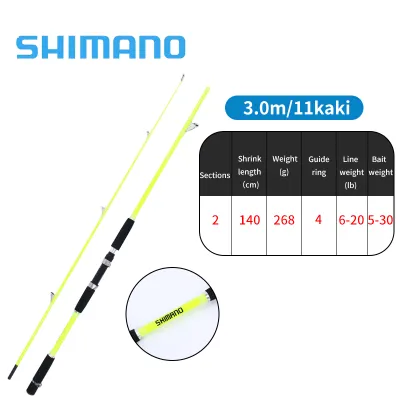
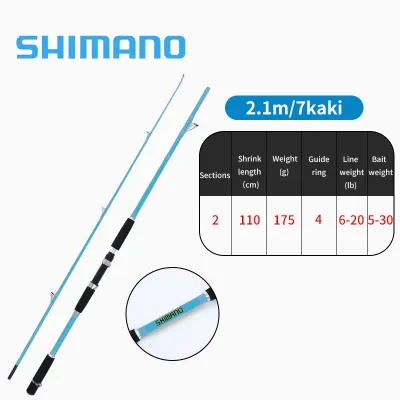
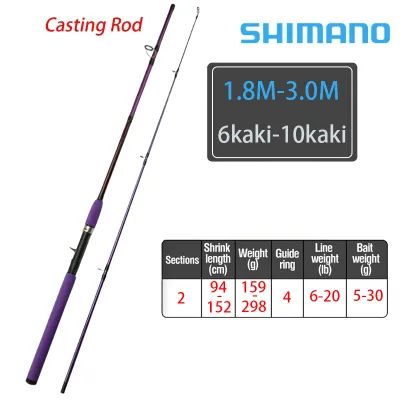
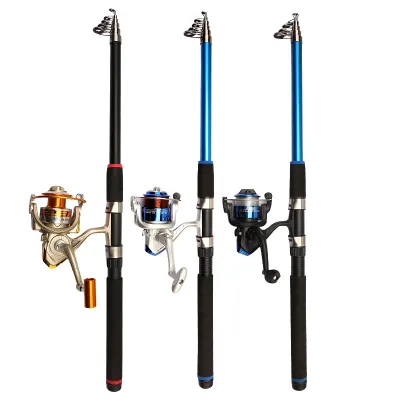
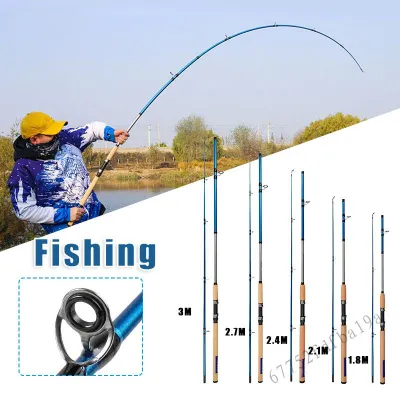
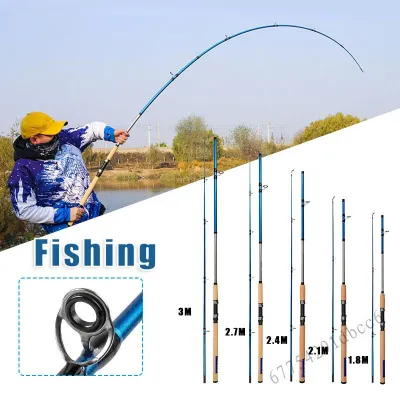
![[COD] Spinning Fishing Rod Carbon Fiber Straight Handle Fishing Rod Throwing and Inserting Section Fishing Rod](https://img.lazcdn.com/g/p/93913fc0da987c1ef801a440ed88f72f.jpg_400x400q80.jpg_.webp)
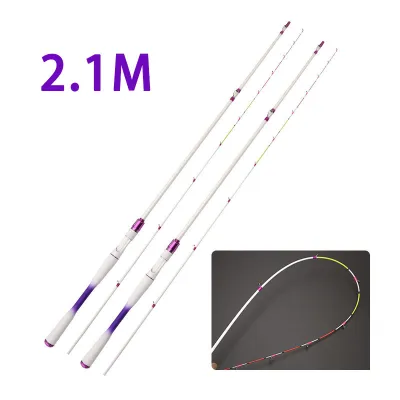
Prices are valid at publication and may change. Please refer to the product page for the latest price.
Additionally, purchasing a counterfeit rod leaves you entirely without consumer protection. Genuine manufacturers offer clear warranties and replacement parts for accidental damage. If a fake rod breaks, you have no recourse, no access to authorized repair services, and no way to claim a refund from the brand. Investing in authentic gear ensures that your purchase is backed by professional after-sales support.
Essential Visual and Physical Checks for Authenticity
Spotting a counterfeit rod requires a methodical physical inspection. Before testing the rod on the water, you must carefully examine how the product is packaged and how its individual components are assembled.

Inspecting the Packaging and Documentation
The packaging is often the first giveaway of a counterfeit product. Genuine premium fishing rods are shipped in sturdy, custom-fitted boxes or protective tubes designed to withstand international transit. If a rod arrives in a flimsy, generic cardboard box wrapped in excessive layers of cheap tape, you should immediately proceed with caution.
Examine the text, logos, and color consistency on the outer box and the included rod sleeve. Authentic packaging features crisp, high-resolution printing with perfectly aligned text and accurate brand colors. Counterfeit packaging often displays blurry fonts, slight color bleeding, or obvious spelling mistakes in the product descriptions.
Furthermore, check for the presence of official documentation, such as user manuals, warranty registration cards, and authenticity stickers. Genuine rods typically include neatly folded, high-quality paper inserts printed in multiple languages with clear diagrams. If these documents are missing or printed on cheap paper with crooked margins, the rod is highly likely to be a replica.
Examining the Rod Blank, Guides, and Reel Seat
The physical construction of the rod blank, guide rings, and reel seat provides the most reliable evidence of authenticity. Start by running your fingers along the entire length of the blank to check the smoothness of the finish. Genuine rods feature a flawless protective coating, consistent paint application, and perfectly aligned brand decals. Any rough patches, bubbles in the epoxy, or crookedly applied logos indicate poor manufacturing standards.
Next, inspect the guide rings and their attachment points very closely. Authentic rods utilize high-quality guides with smooth, polished ceramic inserts designed to minimize line friction and heat buildup during long casts. The thread wraps securing these guides to the blank should be tight, uniform, and sealed with a smooth, even layer of epoxy. On counterfeit rods, you will often find rough or sharp guide inserts, loose thread wraps, and messy, overflowing epoxy coatings.
Finally, evaluate the reel seat and grip components for precision and material quality. The reel seat should align perfectly with the guides and feature smooth, clean threads that allow you to secure your reel without binding. Genuine grips, whether made of high-grade cork or dense EVA foam, feel firm and are shaped with clean, precise edges. Counterfeit grips often use low-density foam that compresses too easily or cheap, pitted cork filled with excessive wood putty.
Red Flags: Common Signs of a Fake Shimano Rod
To protect yourself from fraudulent listings, keep a checklist of common red flags that immediately signal a counterfeit product. The most obvious warning sign is a misspelled brand name, an incorrect font style, or a slightly altered logo on the rod blank itself. Counterfeiters sometimes make subtle changes to the spelling or logo design to evade trademark detection while still deceiving casual buyers.
Pricing is another critical indicator of authenticity. If you encounter a listing with an unusually low price in ₱ that deviates significantly from standard authorized retail values, you should treat it as a major red flag. While seasonal promotions and clearance sales do occur, genuine premium rods are never sold at a fraction of their market value. If a deal seems too good to be true, it almost certainly involves a counterfeit item.
Always cross-reference the model numbers and specifications printed on the rod blank with those on the packaging and the official manufacturer documentation. Counterfeiters frequently print random model codes on their products that do not match the actual length, action, or line-weight ratings of the rod. If the specifications on the blank do not align perfectly with the official product catalog, do not proceed with the purchase.
Lastly, look for physical misalignment and poor assembly quality. Hold the rod up and look down the blank from the reel seat to the tip; the guides must form a perfectly straight line. Misaligned guides, loose fittings, or a reel seat that twists under light pressure are clear signs of substandard manufacturing that would never pass genuine quality control protocols.
How to Verify Your Rod Through Official Channels
If you want absolute certainty regarding your gear, you can verify the product directly through official manufacturer channels. Start by locating the unique serial number, which is typically printed on a sticker near the rod handle or etched directly onto the blank. Genuine serial numbers follow a specific alphanumeric format that corresponds to the manufacturing date and facility.
You can verify this information by contacting official customer support or reaching out to local authorized distributors in the Philippines. Provide them with clear, high-resolution photos of the serial number, the rod blank decals, the reel seat, and the packaging. Authorized distributors have access to official databases and can quickly confirm whether the serial number matches a genuine production run.
Additionally, check if the specific rod model is compatible with any official verification apps or online registration portals. Some premium product lines feature holographic stickers with QR codes that link directly to secure verification websites. Always ensure that any QR code links to an official, verified brand domain rather than a spoofed website designed to mimic the manufacturer’s portal.
Safe Purchasing Channels in the Philippines
The most effective way to avoid counterfeit fishing gear is to buy exclusively from reputable, authorized sellers. Prioritize official brand stores, well-established local tackle shops, and physical retailers with a proven track record in the local angling community. Visiting a physical store allows you to handle the rod, inspect its build quality, and verify its authenticity in person before spending your money.
When shopping on online marketplaces, you must exercise extra caution to filter out fraudulent third-party sellers. Always check the store’s overall rating, read customer reviews carefully, and look for verified buyer photos of the actual products received. Avoid sellers who have a high volume of negative feedback regarding product authenticity or those who use generic stock photos instead of real product images.
Be wary of online listings where the seller refuses to provide actual photos of the item’s serial number, packaging, or close-up details of the guides and reel seat. Legitimate sellers who deal in genuine gear are usually willing to provide detailed photos to reassure potential buyers. If a seller ignores your requests for detailed images or pressures you into a quick transaction, it is best to walk away.
What to Do If You Suspect You Bought a Counterfeit
If you suspect that you have accidentally purchased a counterfeit rod, you must take immediate action to protect your investment. Start by documenting the unboxing process if you have not already done so, or take clear, detailed photos of the rod, its packaging, and any physical discrepancies you have identified. This photographic evidence is crucial for supporting your claim during the dispute process.
Next, initiate a formal return or refund request through the online marketplace’s buyer protection program. Most reputable ecommerce platforms have strict policies against the sale of counterfeit goods and will freeze the seller’s payout while they investigate your claim. Submit your photos, a detailed description of the flaws, and any verification feedback you received from official channels to expedite the refund process.
Finally, report the fraudulent listing directly to the platform’s customer support team to help take down the store and protect other buyers. You should also share your experience with local fishing communities and online forums in the Philippines. Warning fellow anglers about specific fraudulent sellers or common counterfeit patterns helps keep the local community safe and ensures that everyone can enjoy the sport with reliable, authentic gear.
Frequently Asked Questions (FAQ)
Can a fake Shimano rod have a valid-looking serial number?
Yes, counterfeiters frequently copy valid serial numbers from genuine rods and print them onto multiple replica products. While a copied number might look correct during a basic visual inspection, it will fail to match the specific model details when cross-referenced with the manufacturer’s official database. This is why you must always combine serial number checks with a thorough physical inspection of the rod’s build quality, guide alignment, and packaging.
Are second-hand original rods safe to buy?
Purchasing a second-hand original rod can be a great way to save money, but it requires careful inspection to ensure you are getting a genuine, undamaged product. Always arrange to meet the seller in person so you can inspect the rod blank for hidden stress fractures, hairline cracks, or unauthorized repairs. Ask the seller to provide the original purchase receipt or warranty card to verify where the rod was originally bought and to confirm its authenticity.

Community discussion
Share your experience or ask a question. Comments are reviewed before publication.