
Volleyball is deeply woven into the local sports culture of the Philippines, played on concrete barangay courts, sandy beaches, and indoor gymnasiums. Because of this massive popularity, high-demand equipment frequently becomes a target for counterfeiters who flood online marketplaces and local street vendors with cheap imitations. Finding an authentic volleyball ball original standard model requires vigilance, as playing with a counterfeit ball directly impacts your game, wallet, and safety.
Using a fake ball severely degrades performance, causing inconsistent bounces, unpredictable flight paths, and poor grip. Counterfeit volleyballs often suffer from uneven weight distribution, making accurate sets and targeted spikes incredibly difficult to execute. The lack of proper grip also hinders setters from achieving precise ball control, which disrupts the rhythm of your team’s play.
Beyond poor performance, counterfeit balls pose real safety risks. Cheap replicas are often made from hard, unregulated plastics or low-grade synthetic rubbers that do not absorb impact. Playing with these stiff materials can lead to wrist strain, finger hyperextensions, and skin abrasions, especially during intense defensive digs or blocks. In the tropical heat and high humidity of the Philippines, cheap adhesives and dyes can also break down, causing skin irritation or leaving sticky chemical residues on your hands.
Products mentioned in this guide
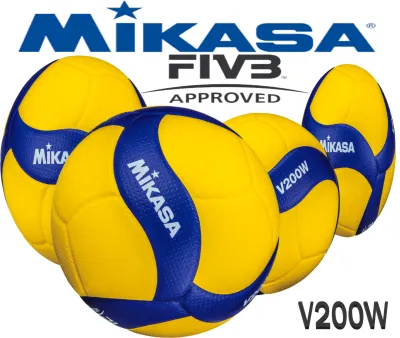
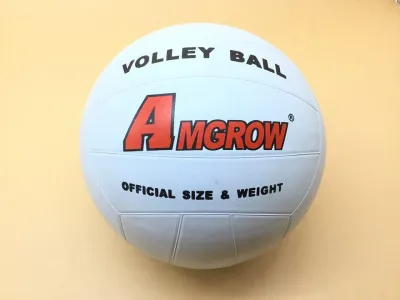
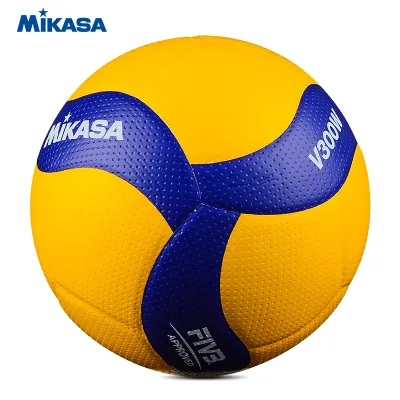
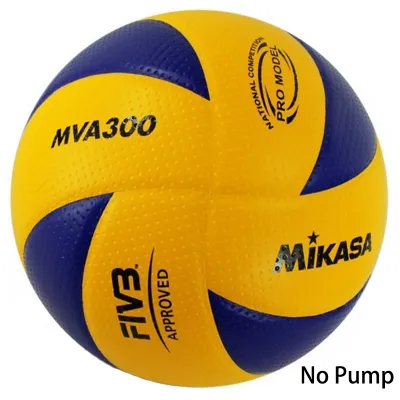
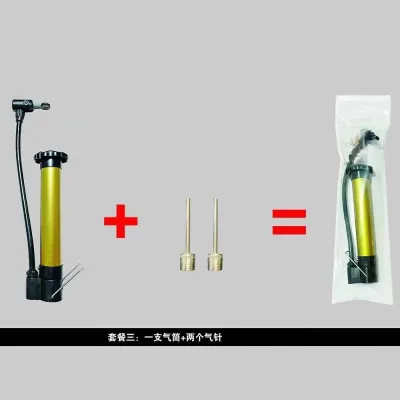
Prices are valid at publication and may change. Please refer to the product page for the latest price.
How to Identify a Volleyball Ball Original Standard Model
Verifying the authenticity of a standard volleyball requires a holistic approach that combines careful visual inspection with tactile feedback. Counterfeiters have become highly skilled at replicating color schemes and basic designs, meaning a quick glance is no longer sufficient to confirm a ball’s origin.
An authentic standard volleyball is engineered to meet strict manufacturing tolerances, ensuring a balanced weight, consistent roundness, and reliable air retention. By evaluating the packaging, checking the material texture, and examining the panel construction, you can easily separate genuine sports gear from low-quality replicas.
Packaging and Labeling
The verification process starts with the outer packaging before you even inflate or touch the ball. Genuine manufacturers package their volleyballs in sturdy, high-quality cardboard boxes or thick, branded plastic wraps with clean, high-resolution graphics. The text on the packaging should be sharp and perfectly legible, with no blurry fonts, color bleeding, or misaligned logos.
Look for accurate product labels that contain specific model numbers, barcodes, and official size and weight specifications. Authentic packaging typically displays clear inflation guidelines, usually indicating the recommended pressure in both PSI and bar.
Flimsy plastic bags, plain unmarked cardboard boxes, or packages that tear easily are immediate warning signs of a counterfeit. Be sure to check for typographical errors, misspelled brand names, or mismatched product details on the labels, which are common mistakes made by low-cost printing operations.
Material, Texture, and Weight
The physical feel of the ball provides immediate clues about its build quality. Genuine standard volleyballs are made from premium synthetic leather or high-grade natural rubber, offering a soft yet firm touch. The surface should feature a consistent, non-slip texture designed to provide an optimal grip during fast-paced rallies.
The weight of an authentic ball is carefully balanced to meet international playing standards. If you have access to a digital scale, you can verify the weight against the manufacturer’s official specifications. Counterfeit balls often feel unusually heavy due to thick, cheap rubber bladders, or excessively light because of thin, fragile outer panels.
Inspect the air valve area closely, as this is a common failure point on fake volleyballs. On an original ball, the valve is cleanly integrated into the panel with smooth, flush edges and no visible gaps. Counterfeit balls often exhibit messy craftsmanship around the valve, such as excess glue residue, off-center placement, or jagged rubber edges.
Logos, Printing, and Panel Design
Take a close look at the branding and technical details printed on the ball’s surface. Authentic logos are applied using high-grade, wear-resistant inks that do not smudge, peel, or scratch off easily. The edges of the letters, model numbers, and official stamps must be sharp, clear, and perfectly aligned with the panels.
The panel construction is another critical indicator of authenticity. Whether the ball features laminated panels or stitched seams, the gaps between the panels must be uniform, tight, and flush. On a genuine laminated ball, the panels are sealed seamlessly with no visible adhesive seeping out.
For stitched models, look for neat, closely spaced, and highly consistent stitching. Counterfeiters often use loose, uneven threads that unravel quickly under regular play. Additionally, ensure the color panels match the official colorways shown on the manufacturer’s official website, as fakes often feature slightly off-color shades or incorrect panel layouts.
Red Flags: Spotting a Fake Standard Volleyball
Spotting a counterfeit volleyball requires identifying subtle defects that point to cheap manufacturing processes. While some fakes are poorly made and easy to spot, high-grade replicas require a closer look at visual, tactile, and structural anomalies.

Visual flaws: Inspect the print quality carefully. Counterfeit balls often feature pixelated or blurry brand logos, misaligned text, and off-center official stamps. The colors may appear washed out, overly dark, or unnaturally neon compared to the vibrant, standardized shades of the original. Additionally, check for the presence of a holographic security sticker; if the official model is supposed to have one, its absence or a low-quality, non-reflective imitation is a clear sign of a fake.
Tactile flaws: Feel the material carefully under your hands. A fake ball often has an overly slick, plastic-like surface that becomes incredibly slippery when exposed to sweat or humidity. Alternatively, some counterfeits use cheap adhesives that leave an unnaturally sticky residue on the panels. Another major indicator is the smell; cheap plastics, industrial glues, and unregulated synthetic rubbers often emit a strong, pungent chemical or petroleum-like odor that persists long after unboxing.
Structural flaws: Fully inflate the ball to check its shape. An authentic volleyball must be perfectly spherical to ensure true flight and bounce. Counterfeits often reveal a lopsided, egg-like, or warped shape when inflated due to uneven bladder construction. Look for visible glue seeping from the panel seams, which indicates poor lamination, or loose, frayed threads on stitched models. The air valve on a fake ball may also be recessed too deeply or protrude awkwardly past the surface.
Packaging flaws: Inspect the box for typographical errors, such as misspelled brand names or incorrect technical terms. Low-resolution graphics, faded colors, and a lack of official barcode stickers are common on counterfeit packaging. If the ball is shipped in a generic, unmarked plastic bag without any protective box or tags, proceed with extreme caution.
Step-by-Step Verification Before and After Purchase
To protect your investment, follow a systematic verification process both before you complete your purchase and immediately after receiving the item.
Pre-purchase checks: When shopping online, avoid relying solely on pristine stock photos provided by the seller. Request actual, close-up, and unedited photos or videos of the specific ball they plan to ship. Ask for clear shots of the valve area, the printed specifications, the seams, and the packaging. If the seller refuses or provides blurry images, it is best to look elsewhere.
Unboxing inspection: As soon as your package arrives, document the unboxing process on video. This serves as vital evidence if you need to file a dispute. Check the quality of the shipping box and the product packaging. Note any strong chemical or toxic odors immediately upon opening the package, as genuine balls do not emit harsh chemical fumes.
Physical inspection: Run your hands across the entire surface of the ball. Feel for uniform panel thickness, consistent texture, and tight seams. Inspect the perimeter of every panel to ensure there are no lifting edges or visible glue lines. Check that the valve is securely seated and flush with the surrounding material.
Inflation test: Before playing, inflate the ball using a reliable hand pump and a pressure gauge. Refer to the recommended PSI printed near the valve, and avoid over-inflating, which can damage the seams of both authentic and fake balls. Once fully inflated, place the ball on a flat surface to verify its roundness. To check for slow air leaks, apply a small drop of soapy water to the valve; if bubbles form, the valve is defective.
Official verification: Many modern sports brands include unique security features, such as holographic stickers, scratch-off authenticity codes, or QR codes on the packaging or the ball itself. Scan these codes using your smartphone, making sure they redirect you to the manufacturer’s official, secure domain (e.g., ending in the brand’s official web address) rather than a generic or suspicious third-party URL.
Safe Channels to Buy Authentic Standard Volleyballs in the Philippines
The most effective way to avoid counterfeit sports gear is to buy exclusively from reputable and authorized retail channels. In the Philippines, purchasing from physical, authorized sports department stores or flagship brand outlets guarantees that you are getting a genuine product. These stores source their inventory directly from official distributors, ensuring strict quality control.
If you prefer the convenience of online shopping, exercise high caution on ecommerce platforms. Limit your purchases to official flagship stores, which are often marked with “Mall” or verified “Official” badges. Avoid buying from overseas sellers with generic store names, extremely low ratings, or zero product reviews.
Always read the customer reviews carefully, focusing on those that include actual photos and videos of the received product. Look for feedback regarding the ball’s weight, air retention, and packaging. Be highly suspicious of deals that seem too good to be true. A premium, tournament-grade volleyball is rarely sold at a fraction of its standard retail price; massive discounts of 50% to 80% on brand-new models are almost always indicative of counterfeit goods.
What to Do If You Accidentally Buy a Fake
If you realize that you have purchased a counterfeit volleyball, swift action is necessary to secure a refund and hold the seller accountable.
Document the evidence: Take high-resolution photos and clear videos highlighting the specific defects, such as blurry logos, messy seams, a warped shape, or a leaking valve. Compare these visual flaws side-by-side with images of an authentic model if possible.
Initiate a return: Do not click the button to confirm receipt of the item or complete the transaction on your ecommerce app. Immediately file a formal return or refund request under the platform’s buyer protection policy, selecting “counterfeit” or “item not as described” as the reason. Attach your photo and video evidence to support your claim.
Report the seller: Flag the seller’s listing and report the shop to the platform’s customer service department to prevent them from scamming other buyers.
Prioritize safety: Do not use the counterfeit ball for actual play or training. Fake volleyballs made from cheap, rigid materials can cause painful wrist impacts, finger hyperextensions, and skin irritation, making them unsuitable for any level of athletic activity.
Frequently Asked Questions (FAQ)
Can I verify a Standard volleyball's authenticity using a mobile app?
Some manufacturers include QR codes or scratch-off security codes on the packaging or the ball. When scanned, these should direct you to the official, secure brand website. Do not trust generic QR codes that lead to unverified, third-party web pages, as counterfeiters often set up fake verification sites to deceive buyers.
Do original Standard volleyballs come pre-inflated?
No, most authentic volleyballs are shipped and sold deflated or only partially inflated. This practice protects the panel seams and the internal butyl bladder from stretching or popping during transit and storage, especially under varying air pressures and temperatures. Always inflate the ball to the recommended PSI before your first game.
Is a heavier ball always a sign of a fake?
Not necessarily, but an unusual weight is a strong indicator. Authentic balls must strictly adhere to official weight ranges specified by governing sports bodies. If a ball feels excessively heavy, stiff, or unbalanced, it is likely made of cheap, dense rubber instead of a high-quality bladder and synthetic leather. Always verify the weight using a digital scale against the official model specifications.

Community discussion
Share your experience or ask a question. Comments are reviewed before publication.