
Finding a genuine volleyball in the Philippines requires a keen eye, especially with the rise of counterfeit sports gear on various e-commerce platforms. Whether you are preparing for an intense barangay league match or a casual game on a humid afternoon, playing with a counterfeit ball can quickly ruin the experience. Spotting a fake versus an original volleyball involves inspecting physical construction markers, verifying the packaging and official labels, and evaluating the seller’s credibility. By learning how to perform these simple checks before and after your purchase, you can ensure your money goes toward a durable, high-performing ball that can withstand tropical heat and intense play.
Why Buying an Original Volleyball Matters
Investing in an authentic volleyball is not just about brand loyalty; it directly impacts your gameplay, safety, and overall value for money. Original volleyballs are engineered to meet strict weight, size, and aerodynamic standards, ensuring a predictable bounce and stable flight path during serves and sets. Counterfeit balls, on the other hand, often suffer from uneven weight distribution and inconsistent internal pressure. This can cause the ball to veer off-course unexpectedly or feel excessively heavy upon impact, disrupting your training and games.
Durability is another critical factor, particularly under the demanding environmental conditions of the Philippines. High humidity and rough concrete outdoor courts can rapidly degrade poorly constructed gear. Original balls utilize high-grade synthetic leather or treated rubber designed to resist moisture absorption and panel peeling. In contrast, fake volleyballs frequently use cheap adhesives that fail quickly when exposed to sweat and heat. This leads to loose panels and rapid air leakage through the valve, forcing you to replace the ball much sooner than expected.
Products mentioned in this guide
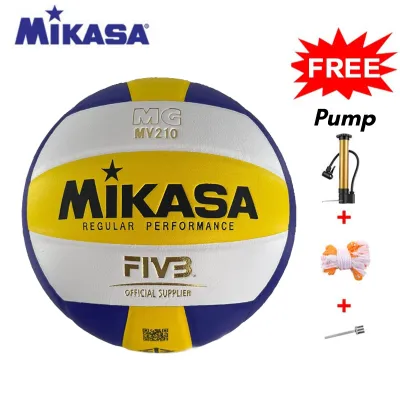
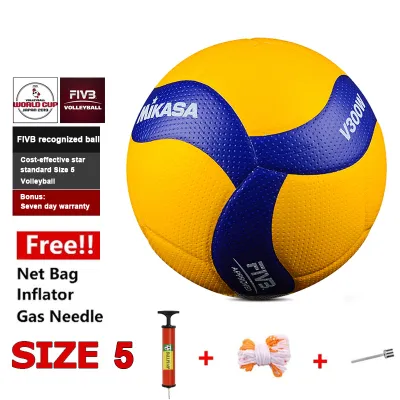
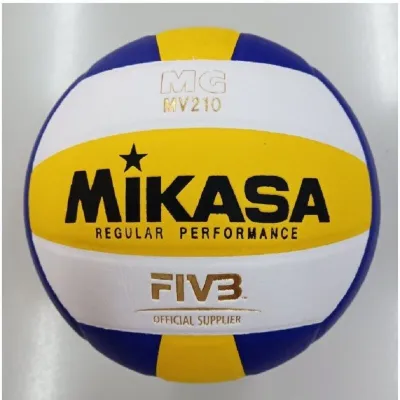
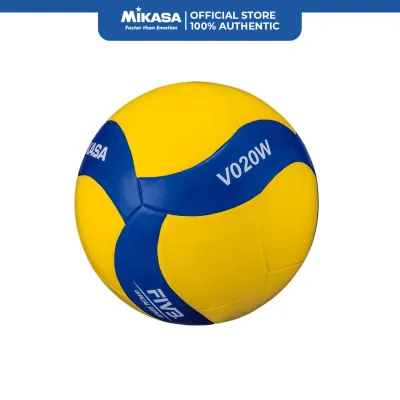
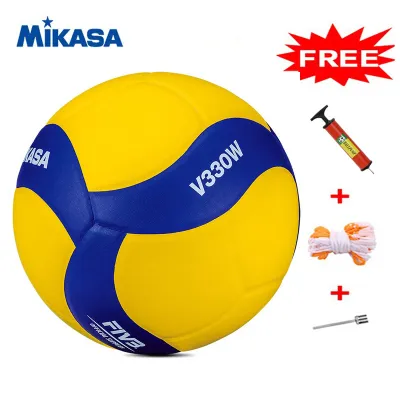
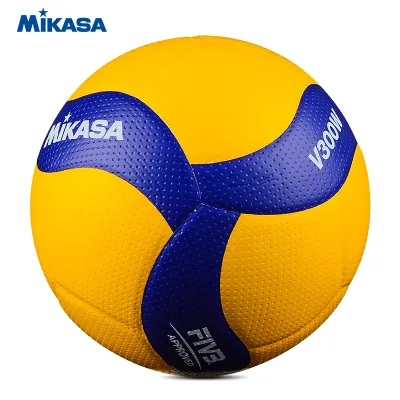
Prices are valid at publication and may change. Please refer to the product page for the latest price.
Furthermore, safety should always be a priority when selecting sports equipment. Counterfeit manufacturers often use low-grade plastics, industrial glues, and synthetic materials that emit strong, toxic chemical odors. These materials can cause skin irritation during prolonged contact, especially when playing in hot weather where sweat increases skin sensitivity. Choosing a genuine ball ensures that the materials have undergone standard quality and safety checks. This protects your hands and wrists from unnecessary strain caused by stiff, unyielding surfaces.
How to Inspect Physical Markers of an Original Volleyball
When you receive a new volleyball, the first step is to conduct a thorough physical inspection. Start by examining the panel alignment and seam construction. Genuine volleyballs feature highly precise paneling, whether they are stitched or laminated (bonded). If you are looking at a laminated ball, the seams between the panels should be virtually seamless, with no visible glue residue, gaps, or overlapping edges. For stitched models, the thread should be uniform, tight, and completely tucked away. Loose threads, uneven stitch lengths, or visible gaps between panels are immediate indicators of a counterfeit product.

Next, pay close attention to the surface texture and material feel. Original volleyballs made of premium synthetic leather have a distinct, soft-yet-grippy texture that allows for precise control during sets and digs. The surface should feel slightly cushioned and responsive to pressure. Counterfeit balls often feel remarkably stiff, plasticky, or excessively slick, making them difficult to control when wet with sweat. If the ball feels like hard plastic or has an unusually shiny, reflective coating, it is highly likely a fake.
Branding and print quality are also excellent indicators of authenticity. When searching for a genuine product, perhaps using search terms like “valleyboll boll original” on online marketplaces, you must scrutinize the logos and text printed on the ball. Genuine manufacturers use high-resolution, durable printing techniques. The logos, model names, and inflation guidelines should be perfectly centered, sharp, and free of smudges or bleeding ink. Counterfeit balls often feature slightly distorted fonts, misaligned text, or colors that look faded or off-brand.
Additionally, check the inflation valve area. On an original ball, the valve is clean, perfectly centered within its designated panel, and often features printed inflation pressure specifications (such as psi or kgf/cm²) that are clear and easy to read. If the valve is crooked, off-center, or lacks clear pressure markings, it is a strong sign of a counterfeit manufacturing process.
How to Verify Packaging, Labels, and Documentation
The packaging of a volleyball can tell you just as much about its authenticity as the ball itself. Genuine volleyballs from reputable brands are typically shipped in high-quality, sturdy cardboard boxes featuring crisp, high-resolution graphics and accurate product information. If the box arrives crushed, made of flimsy cardboard, or features blurry images and spelling mistakes, you should proceed with caution. Note that some authentic balls are sold deflated in plastic polybags, but these bags will still feature official branding, clear warning labels, and matching product codes.
Examine any accompanying documentation, such as hangtags, instruction leaflets, or warranty cards. Original products include professionally printed materials with correct grammar and clear formatting. Counterfeit items often contain poorly translated instructions, low-quality paper, or generic tags that do not match the specific model of the ball.
Many modern sports brands incorporate security features to help buyers verify authenticity. Look for holographic stickers, unique serial numbers, or QR codes on the packaging or the ball itself. If a QR code is present, scan it using your smartphone to see if it directs you to the official manufacturer’s verification portal. Be cautious if the link leads to a suspicious, non-official URL. Additionally, cross-reference the serial number printed on the ball with the one on the box; they must match perfectly.
How to Evaluate Price and Seller Credibility
Price is often the most telling indicator of a counterfeit product. While everyone loves a good discount, an unrealistically low price is a major red flag. Before purchasing, research the standard retail price of your desired volleyball model in Philippine Pesos (₱) from official brand websites or authorized local sports stores. If an online listing offers the ball at a fraction of its standard retail price—such as ₱500 for a model that normally retails for ₱3,000—it is almost certainly a counterfeit. Genuine high-performance volleyballs require advanced materials and manufacturing processes that make such steep discounts economically impossible for legitimate sellers.
To minimize the risk of buying a fake, prioritize purchasing from authorized physical retailers or official flagship stores on major e-commerce platforms. Look for verified seller badges, such as “Mall” or “Official Store” tags, which indicate that the platform has vetted the seller’s business registration and supply chain.
If you must buy from a third-party seller, take the time to read customer reviews and inspect seller ratings. Do not just look at the overall star rating; filter the reviews to read the one-star and two-star feedback. Look for specific complaints regarding authenticity, poor air retention, or peeling panels. Be wary of stores that have generic, repetitive five-star reviews with identical photos, as these can be fabricated. A reputable seller will also have a clear, reasonable return and refund policy, showing confidence in the authenticity of their inventory.
What to Do If You Suspect a Counterfeit
If you suspect that the volleyball you purchased is a counterfeit, act quickly to protect your purchase. Start by documenting the discrepancies immediately. Take clear, well-lit photos and videos of the areas that raise concern, such as misaligned panels, peeling edges, blurry logos, or flimsy packaging. If possible, place the suspected fake next to an original ball or a reference image from the official website to highlight the differences. This visual comparison will serve as strong evidence during any dispute process.
Next, initiate a return or refund dispute through the e-commerce platform where you made the purchase. Most major platforms have robust buyer protection policies that cover counterfeit goods, but these policies usually have strict time limits, often within a few days of delivery. Submit your documented photo and video evidence along with a detailed explanation of why you believe the item is not genuine. Avoid inflating the issue; stick to clear, observable physical mismatches.
You can also contact the brand’s official customer support or their authorized distributor in the Philippines. While they may not always be able to resolve disputes with third-party sellers directly, they can often confirm whether a specific seller is authorized or help verify the serial number on your ball, providing you with additional leverage for your refund claim.
Frequently Asked Questions (FAQ)
Can a fake volleyball be used for casual backyard play?
While a counterfeit volleyball might seem acceptable for low-stakes backyard recreation, it still presents significant drawbacks. The substandard materials used in fake balls often result in an unpredictable bounce and a stiff, uncomfortable surface that can cause hand fatigue or bruising even during casual play. Additionally, these balls tend to lose air rapidly and peel apart quickly when exposed to outdoor elements like heat and moisture, meaning you will likely have to replace them much sooner than a genuine, entry-level recreational ball.
Do all original volleyballs come with a holographic sticker?
No, not all original volleyballs feature holographic stickers. Anti-counterfeit security measures vary widely depending on the brand, the specific model, and the manufacturing batch or region of distribution. Some brands rely on unique serial numbers, specific valve designs, or QR codes instead of holograms. To understand the exact security features of the model you are buying, it is best to consult the official verification guidelines on the manufacturer’s website. This ensures you are checking for the correct markers rather than relying on a single, universal feature.

Community discussion
Share your experience or ask a question. Comments are reviewed before publication.