
Identifying a genuine fishing reel requires a systematic inspection of its packaging, physical construction, and mechanical performance. As counterfeit tackle becomes increasingly sophisticated, anglers must look beyond surface-level aesthetics to verify authenticity. In coastal and freshwater fishing communities across the Philippines, where high humidity and saltwater exposure quickly expose substandard materials, using a counterfeit reel can ruin a long-planned trip. By learning how to spot subtle discrepancies in logos, testing the smoothness of the internal gears, and purchasing only through verified distribution channels, you can protect your investment and ensure your equipment performs reliably when a fish is on the line.
Why Counterfeit Fishing Reels Are a Risk
Using a counterfeit fishing reel introduces significant risks that go far beyond a disappointing day on the water. When fighting powerful tropical species like giant trevally (talakitok) or mangrove jack (mangagat), the internal components of a reel are subjected to immense pressure. Counterfeit reels are typically constructed with cheap pot metals, low-grade plastics, and poorly machined gears instead of marine-grade alloys and precision-cut brass. Under heavy load, these substandard materials are highly prone to sudden failure, such as the drag system slipping completely or the main drive gear stripping its teeth mid-fight. While a fake reel might cost a fraction of the price of an original, its rapid degradation in salty, humid environments means you will likely have to replace it multiple times within a single season. This cycle of repeated purchases quickly outpaces the upfront cost of investing in a genuine, durable reel, while sudden mechanical failures can cause the line to snap violently, leading to painful hand injuries.
Inspecting Packaging, Labels, and Documentation
The verification process begins the moment the product arrives, well before you handle the reel itself. Genuine manufacturers invest heavily in high-quality packaging to protect their products and project a premium brand image. When examining the outer box, look closely at the print quality, color saturation, and text alignment. Counterfeit packaging often features blurry text, washed-out colors, or pixelated graphics resulting from low-resolution scans of original boxes. Carefully read all printed text on the box, inserts, and user manuals; spelling mistakes, awkward translations, or inconsistent fonts are immediate indicators of a counterfeit product.
Products mentioned in this guide
![[COD] Spinning Reel 6 Ball Bearings 5.2:1 Gear Ratio Spinning Fishing Reel 1000 2000 3000 Series Anti-Corrosion Drive Gear Fishing Wheel for Freshwater and Salwater](https://img.lazcdn.com/g/p/4bc7c8457631426ac9503525dd53b8ed.jpg_400x400q80.jpg_.webp)
![[COD] Fishing Reel 5.2:1 GR Spinning Fishing Reel 1000 2000 3000 4000Series Anti-Corrosion Drive Gear Fishing Wheel for Freshwater and Salwater](https://img.lazcdn.com/g/p/aa219aa2ca4dff7d7c8ed1d28a366adf.jpg_400x400q80.jpg_.webp)
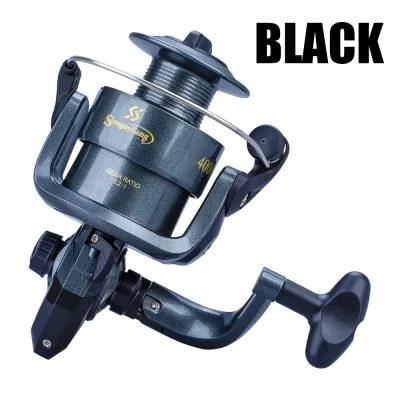
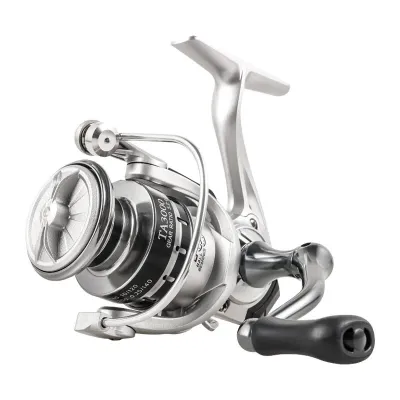
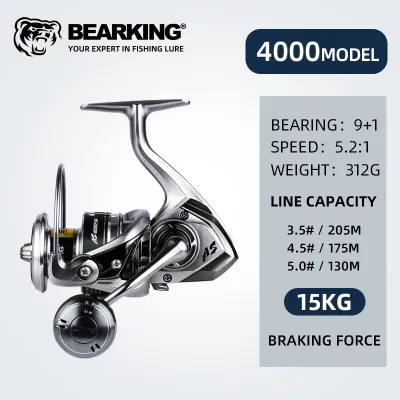
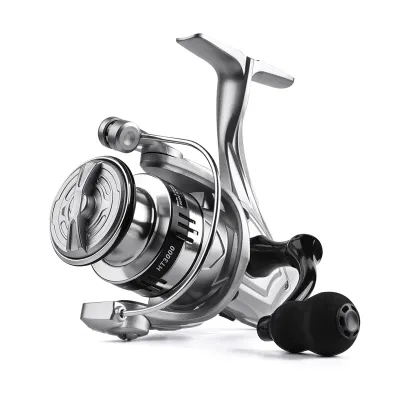
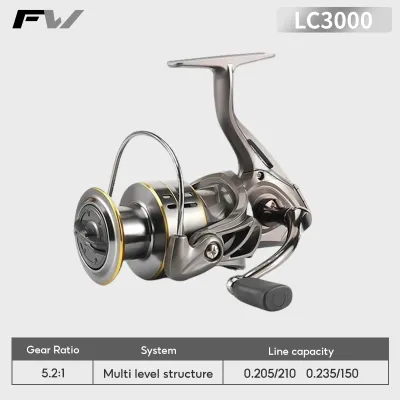
Prices are valid at publication and may change. Please refer to the product page for the latest price.

Security features and documentation on the packaging provide another layer of verification. Many reputable brands place holographic stickers, tamper-evident seals, or unique QR codes on their boxes. A genuine holographic sticker will display clean, sharp color shifts and distinct patterns when tilted under light, whereas counterfeit stickers are often flat and poorly aligned. Open the box and inspect the included documentation, such as a localized warranty card, user manual, and exploded parts diagram. Check that the serial number printed on the box matches the serial number on the warranty card and the one engraved onto the reel foot. If these numbers do not match, or if the exploded diagram is missing or printed on cheap paper, the reel is highly likely to be a fake.
Examining Physical Markers and Build Quality
Once you have inspected the packaging, you must conduct a thorough, hands-on physical examination of the reel itself. Counterfeiters often replicate the general shape of a reel successfully, but they rarely match the precise engineering tolerances and high-quality surface finishes of genuine manufacturing plants.
Checking Engravings, Logos, and Paint
Original fishing reels feature precise branding and technical specifications that are built to withstand harsh marine environments. Examine the logos, model numbers, and line capacity markings on the spool and body. Genuine manufacturers use deep laser engraving, clean stamping, or high-quality anodizing that feels flush with the metal, whereas counterfeiters often rely on cheap surface printing, low-quality decals, or thin paint that can be easily scratched off with a fingernail. Pay close attention to the paint application across the entire reel body, rotor, and spool. Original reels have a flawless, uniform finish with no overspray, bubbling, or uneven edges. Counterfeits frequently exhibit paint runs, rough textures in hard-to-reach crevices, or slight color variations that do not match the official product photos. Additionally, inspect the alignment and font of the printed specifications; crooked text, uneven spacing between letters, or incorrect gear ratio listings are clear signs of a poorly made imitation.
Testing Mechanical Smoothness and Weight
The internal mechanics of a reel provide the most reliable proof of authenticity, as precision engineering cannot be easily faked. Hold the reel and turn the handle slowly; a genuine reel will feel incredibly smooth, silent, and balanced, with no noticeable friction or grinding. Counterfeit reels often use low-grade, unshielded bearings that produce a distinct clicking, rattling, or sandy sensation during rotation. Engage the bail arm on a spinning reel or press the thumb bar on a baitcaster; the action should feel crisp, positive, and secure, without any sluggishness or loose play. Weight is another critical factor to verify. Because counterfeiters use cheaper, heavier metals or thin plastics to mimic the look of lightweight carbon fiber or magnesium alloys, the weight of a fake reel will often differ significantly from the manufacturer’s official specifications. Use a digital kitchen scale to weigh the reel and compare the reading to the specification sheet. A variance of more than a few grams is a strong red flag. Finally, test the drag knob; a genuine drag system will produce clean, distinct, and consistent clicks as you adjust it, and the drag tension should increase smoothly without sudden binding or slipping.
Official Verification and Safe Purchasing Channels
To minimize the risk of buying a counterfeit reel, you should leverage official brand resources and stick to secure purchasing channels. Many major tackle brands now offer online registration portals or dedicated mobile applications where you can input the reel’s serial number to verify its authenticity and register your warranty. If the system rejects the serial number or indicates that it has already been registered to another user, you are likely holding a fake. When shopping online, always prioritize authorized dealers and official brand stores on major e-commerce platforms. These sellers typically carry a verified badge or are listed directly on the manufacturer’s official website as authorized retail partners. Avoid buying from unverified third-party sellers who have little to no feedback, or whose stores were recently created. Be particularly cautious of listings that use stock photos instead of actual product images, as counterfeiters often hide behind official marketing graphics to conceal the physical flaws of their stock.
Pricing is one of the most reliable indicators of a counterfeit product. While seasonal sales and promotions do occur, genuine high-quality reels maintain a relatively stable market value. If you encounter a listing on an online marketplace offering a premium reel at a price in ₱ that is 50% to 80% lower than the standard retail price at authorized local tackle shops, it is almost certainly a counterfeit. Unrealistic “clearance sales” or “factory overstock” claims are common tactics used to lure unsuspecting buyers into purchasing fake gear.
What to Do If You Receive a Suspected Fake
If you suspect that the fishing reel you received is a counterfeit, you must act quickly to protect your money and help clean up the marketplace. Start by documenting everything immediately. Take clear, high-resolution photos of the packaging, the shipping label, the reel itself, and any specific physical discrepancies you identified, such as misspelled words, poor paint quality, or misaligned logos. If possible, record a short video demonstrating any mechanical issues, such as a grinding gear or a slipping drag system.
Next, initiate a return or refund request through the e-commerce platform’s buyer protection program. Do not click the button to confirm receipt or complete the order, as this often releases the funds to the seller and makes getting a refund much more difficult. Submit your documented photos and videos as evidence of receiving a counterfeit item. Most reputable platforms have strict policies against the sale of fake goods and will freeze the seller’s funds while investigating your claim. Finally, report the fraudulent listing and the seller’s account directly to the platform’s customer support team to prevent other anglers from falling victim to the same scam. You can also contact the brand’s regional distributor or anti-counterfeiting division to report the fake.
Frequently Asked Questions (FAQ)
Can a fake fishing reel have a valid serial number?
Yes, a counterfeit fishing reel can easily feature a serial number that appears valid. Counterfeiters frequently obtain a single genuine reel, copy its unique serial number, and print or engrave that exact same number onto hundreds or thousands of fake units. Because of this practice, simply checking that a serial number exists or matches the box is not a foolproof guarantee of authenticity. You must always combine a serial number check with a thorough physical inspection of the reel’s build quality, paint finish, and mechanical smoothness, while ensuring the purchase was made through an authorized dealer.
Are refurbished or second-hand reels more likely to be fake?
The second-hand and refurbished market carries a significantly higher risk of encountering counterfeit fishing reels. Sellers of pre-owned gear often do not have the original packaging, user manuals, or purchase receipts, making initial visual verification much more difficult. When buying a used reel, prioritize in-person transactions where you can physically handle, weigh, and test the reel’s mechanical action before handing over any money. If buying online, request detailed, high-resolution photos of the reel foot, spool engravings, and internal drag assembly, and ask the seller for proof of the original purchase from an authorized retailer.

Community discussion
Share your experience or ask a question. Comments are reviewed before publication.