
Identifying an original Fox 40 whistle requires a close inspection of its physical construction, a careful evaluation of its acoustic performance, and a thorough check of its retail packaging. In the high-heat, high-humidity environment of Philippine football pitches, having a reliable whistle is essential for maintaining control of the match and ensuring player safety. A counterfeit whistle can fail at critical moments, leaving you unable to signal a foul or stop play. By understanding the specific design standards of genuine manufacturing, you can protect yourself from low-quality imitations.
Why Counterfeit Fox 40 Whistles Are a Problem in Football
Using a counterfeit whistle during a football match or training session introduces several practical and safety risks. On the pitch, a referee’s whistle must cut through the noise of shouting players, cheering spectators, and ambient outdoor sounds. Counterfeit whistles often suffer from inconsistent sound projection, producing a muffled or airy tone that fails to command attention when a quick decision is required.
In tropical climates like the Philippines, equipment is constantly exposed to intense heat, heavy rain, and high humidity. Genuine whistles are constructed from durable, weather-resistant materials designed to withstand these harsh conditions. Counterfeits, however, are frequently made from cheap, brittle plastics that can easily crack under pressure or degrade when exposed to sweat and saliva over time.
Products mentioned in this guide
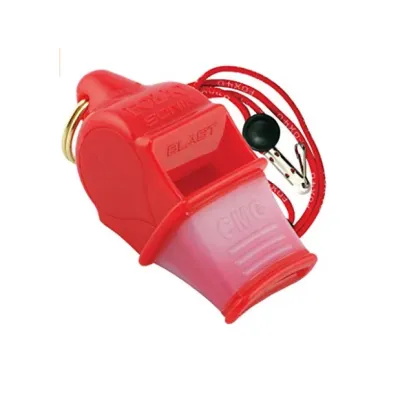
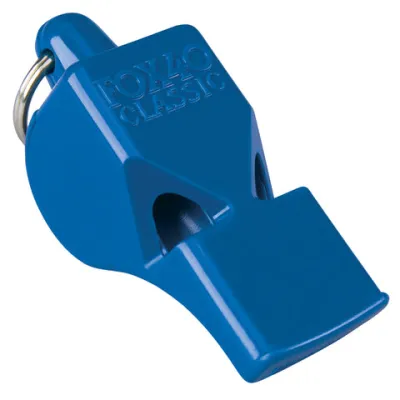
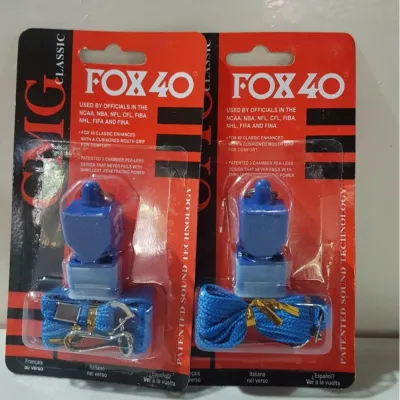
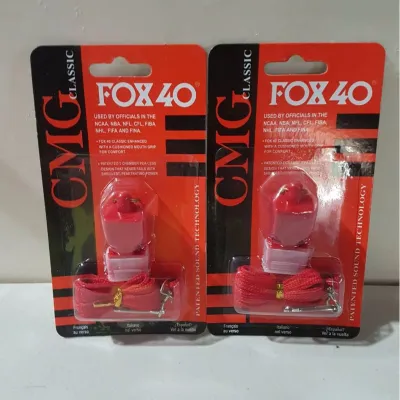
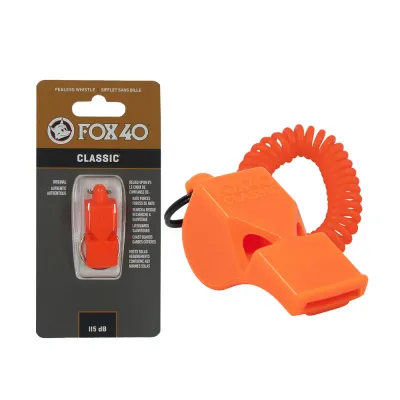
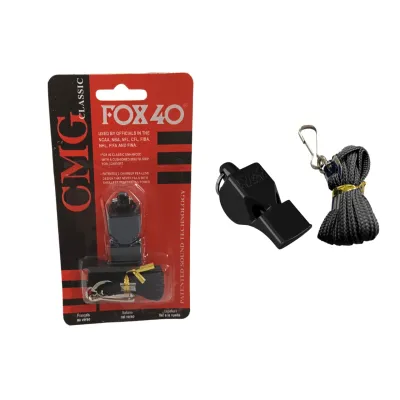
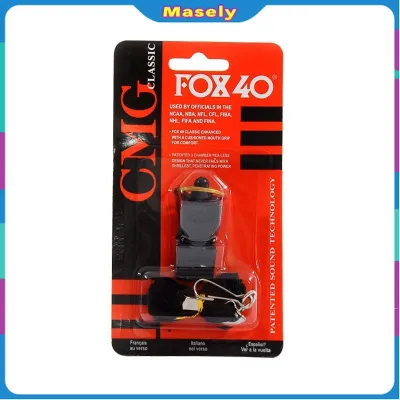
Prices are valid at publication and may change. Please refer to the product page for the latest price.
Poorly molded plastics can have sharp edges that irritate the mouth, and some fakes may even release harmful chemical residues. In worst-case scenarios, poorly constructed internal components or loose mouth grips can break apart during intense use, presenting a direct choking hazard to the official or coach. The prevalence of these knock-offs has grown significantly on general e-commerce platforms and local online marketplaces.
Physical and Visual Checks for an Original Fox 40
The first line of defense against a counterfeit product is a detailed physical inspection of the whistle itself. Genuine Fox 40 whistles are manufactured using high-pressure injection molding with premium ABS plastic. This process results in a solid, uniform body with clean, smooth seams. If you run your finger along the edges of the whistle and feel rough, sharp, or uneven plastic flashing, you are likely holding a fake.

Next, examine the engraved logos and text markings on the whistle’s body. An original whistle features crisp, deeply molded branding, including the official logo, model name, and patent numbers. Counterfeiters often struggle to replicate these fine details, resulting in shallow, blurry, or poorly aligned text. In some cheap imitations, the branding is simply printed on the surface with ink, which can easily be scratched off with a fingernail.
Compare the text on your whistle with high-resolution images from the manufacturer’s official website. Any variation in letter thickness, spacing, or the shape of the numbers is a strong indicator of a counterfeit product.
Weight and balance are additional physical characteristics to verify. Genuine whistles are engineered to feel balanced and substantial in the hand, despite their compact size. If possible, use a digital scale to check the weight of the whistle against the manufacturer’s official specifications for that exact model. A whistle that feels unusually light, hollow, or fimsily constructed is a major red flag.
Evaluating the Sound and Performance
The defining characteristic of a genuine Fox 40 whistle is its pealess design, which relies on precise internal chambers rather than a moving pea to generate sound. This design ensures that the whistle cannot clog, freeze, or fail due to moisture. When testing a whistle, the acoustic output should be immediate, sharp, and consistent across different blowing pressures.
An original whistle is designed to produce a clear, piercing tone even with a relatively light breath, and the volume should scale up smoothly as you blow harder. Counterfeit whistles often require an excessive amount of air pressure just to produce a weak sound. When blown hard, a fake whistle may “overblow,” resulting in a breathy hiss or a sudden drop in volume rather than a louder tone.
You should also listen closely to the quality of the sound. Genuine pealess models produce a distinct, high-frequency pitch designed to cut through loud crowds. If you hear a rattling, warbling, or “trill” sound, the whistle may contain an internal defect or a hidden pea, both of which are common in cheap imitations.
Packaging, Labels, and Documentation
Before you even open the product, the retail packaging can provide vital clues about its authenticity. Genuine Fox 40 whistles are typically sold in high-quality blister packs with thick, rigid cardboard backings. The plastic blister should be cleanly sealed to the cardboard without excess glue or peeling edges.
Examine the printing quality on the packaging very carefully. Original packaging features sharp, high-resolution graphics, vibrant colors, and clear, legible text. Counterfeit packaging often suffers from low-quality printing, which can manifest as faded colors, blurry text, or visible pixelation. Look closely for spelling mistakes, grammatical errors, or unusual phrasing on the back of the card.
The presence of official barcodes, accurate model numbers, and manufacturer contact details is another crucial check. Genuine packaging will display a scannable barcode and a model number that matches the specific whistle inside. If the barcode is missing, poorly printed, or does not match the product when scanned, the item is highly suspect. Many genuine models come with small leaflets explaining proper care, usage, or safety guidelines.
Choosing Reliable Purchasing Channels
To minimize the risk of purchasing a counterfeit whistle, you must be selective about where you shop. The safest option is to buy directly from authorized sporting goods retailers and official brand stores in the Philippines. These physical and online stores source their inventory directly from authorized distributors, ensuring product authenticity.
When browsing third-party sellers on online marketplaces, you must remain vigilant. One of the most common red flags is an unusually low price. If a whistle is listed for a fraction of its standard retail price—such as ₱50 to ₱100 when the official price is significantly higher—it is almost certainly a counterfeit.
Be cautious of listings that rely solely on stock photos rather than actual product images. Reliable sellers often provide original photos of the product from multiple angles, including the packaging. You should also check the seller’s overall rating and read customer reviews carefully. Look specifically for critical reviews that mention poor sound quality, cheap plastic, or packaging discrepancies, as these are clear indicators of a problematic seller.
What to Do If You Suspect a Fake
If you have already purchased a whistle and suspect it is a counterfeit, you should take immediate action to document the issue. Start by taking clear, high-resolution photos of the whistle, focusing on the mold lines, logos, and any physical defects. Take photos of the packaging as well, highlighting any printing errors or missing labels.
Next, initiate a return or refund process through the e-commerce platform’s buyer protection policy. Most major online marketplaces have mechanisms in place to protect consumers from counterfeit goods. Submit your documented photos and a clear explanation of why you believe the product is fake as evidence to support your dispute.
If you are still unsure about the authenticity of your whistle, you can contact the manufacturer directly. Provide them with clear photos of the whistle and packaging, along with any batch codes or purchase details.
Frequently Asked Questions (FAQ)
Do all genuine Fox 40 whistles have a lanyard attached?
No, the inclusion of a lanyard depends entirely on the specific model and the retail package you purchase. Some models are sold as standalone whistles, while others are packaged as kits that include lanyards, cushioned mouth grips, or finger clips. The absence of a lanyard alone does not prove a whistle is counterfeit, but you should verify that the packaging matches the official product description for that specific SKU.
Can I verify a Fox 40 whistle using a serial number?
Standard consumer models of Fox 40 whistles do not typically feature unique, trackable serial numbers for individual verification. Instead, the manufacturer relies on batch codes, specific patent markings, and physical design characteristics to identify genuine products. If a seller claims a standard whistle can be verified online via a unique serial number, be cautious, as this is not a standard feature for most consumer models.
Are Fox 40 whistles made in countries other than Canada?
While the Fox 40 brand is historically based in Canada, manufacturing locations and assembly points can vary depending on the specific model, accessories, and production year. To ensure you have accurate information, you should check the official manufacturer specifications or contact their customer support to verify the current origin details for the specific model you are interested in purchasing.

Community discussion
Share your experience or ask a question. Comments are reviewed before publication.