
To tell if a Mikasa basketball is original, you must inspect the valve molding, verify the texture and seam alignment, cross-reference the model number on the official website, and buy only from authorized distributors. Counterfeit sports equipment has become increasingly common on online marketplaces, making it easy to accidentally purchase a fake ball. In the Philippines, where basketball is a daily passion played on both indoor wooden floors and humid outdoor barangay courts, having a genuine ball is essential for consistent playability and long-term durability.
Why Authenticity Matters for Your Game
Using a genuine basketball has a direct impact on your performance, safety, and how long your equipment lasts. Authentic Mikasa basketballs are engineered with specific composite leather or rubber compounds designed to handle moisture. On a hot, humid afternoon, a player’s hands get sweaty, and outdoor courts accumulate dust. An authentic ball maintains its grip under these conditions, allowing for secure passing, dribbling, and shooting.
Original balls feature a wound nylon carcass and a high-grade bladder that retains air pressure evenly. This ensures that when you dribble, the ball returns to your hand predictably. Counterfeits often use cheap rubber bladders that warp quickly, leading to lopsided bounces that disrupt your rhythm and muscle memory during training drills.
Products mentioned in this guide
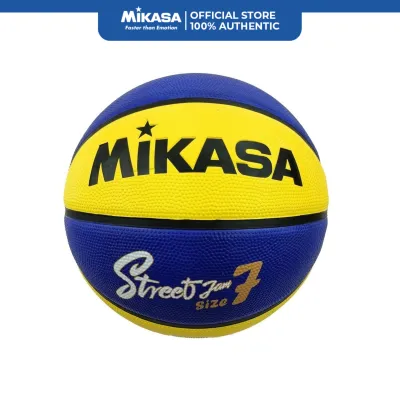
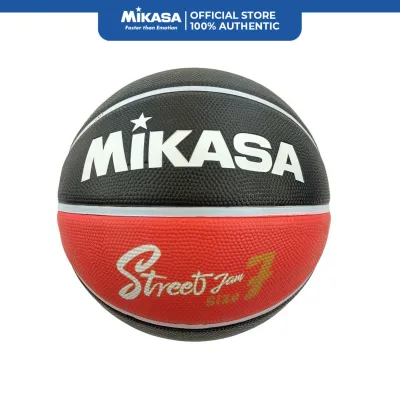
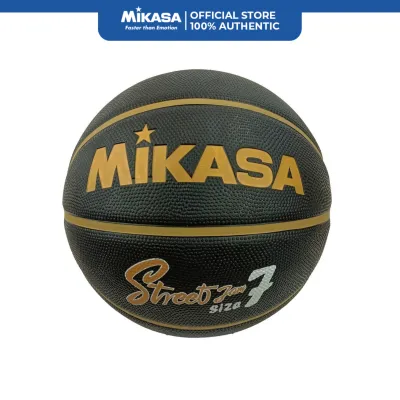
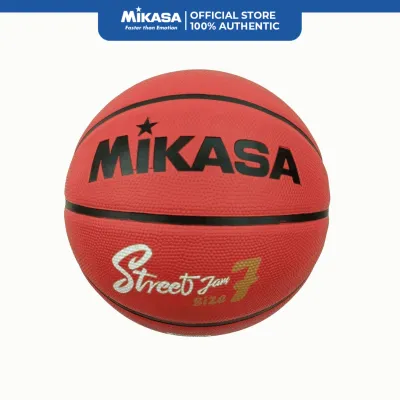
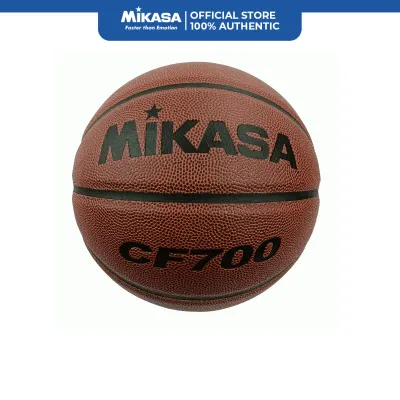
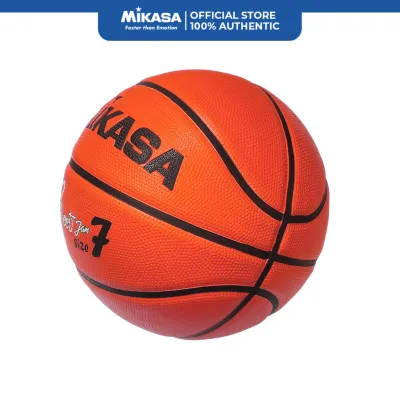
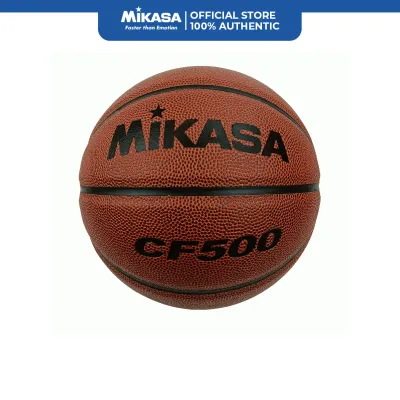
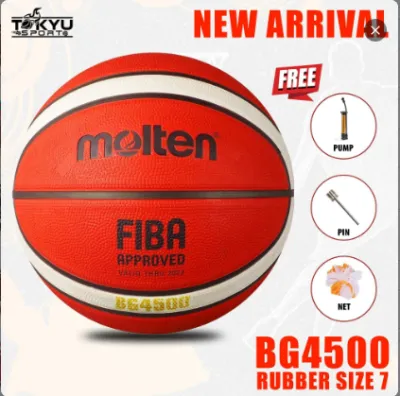
Prices are valid at publication and may change. Please refer to the product page for the latest price.
Poorly constructed replica balls can split at the seams or develop bubbles under high heat and intense play. A sudden blowout or an uneven surface can lead to finger sprains or awkward slips during a drive. Investing in an original ensures the ball survives the rough concrete surfaces common in local neighborhoods, saving you money on frequent replacements.
Furthermore, the weight distribution of a genuine ball is carefully balanced during manufacturing. When practicing shooting forms or free throws, a balanced ball ensures a true flight path. A counterfeit ball with uneven internal lining will drift unpredictably in the air, making it difficult to build reliable shooting mechanics.
Key Visual and Physical Checks for a Genuine Mikasa
Spotting a counterfeit does not require laboratory testing. By systematically examining the physical construction, surface materials, and small manufacturing details, you can quickly determine if a ball meets the strict quality standards of an original Mikasa.

Inspecting the Packaging, Labels, and Valves
Original Mikasa basketballs are typically shipped in high-quality boxes with crisp, clear printing. Look closely at the typography, logos, and product labels. Counterfeit packaging often features blurry text, misaligned logos, or spelling errors in the descriptions and safety instructions.
Check the printed barcode and model identifier on the box and the ball itself. Genuine balls will have matching, valid model numbers that can be verified online. If the model number does not exist on official sites or is associated with a completely different sport, the ball is likely a fake.
The air valve is one of the hardest parts for counterfeiters to replicate cleanly. On an original ball, the valve is perfectly centered within its recess, with smooth, flush edges and no visible excess glue. Counterfeits frequently exhibit messy adhesive residue around the valve, rough rubber edges, or a crooked valve insertion that makes inflation difficult.
Additionally, pay attention to any accessories included in the package. Genuine balls might come with a standard inflation needle or simple instructions, but they rarely include low-quality, generic pump bundles or poorly made carrying nets packaged inside the official box. If the extra items feel incredibly cheap, it is a strong sign that the entire package is a counterfeit bundle.
Evaluating the Surface Texture, Seams, and Weight
Authentic Mikasa composite leather balls have a distinct, uniform pebble pattern designed to optimize grip. When you run your hands over the surface, the pebbles should feel defined and consistent across all panels. Fake balls often use cheap synthetic materials that feel overly plasticky, slick, or excessively soft.
Examine the black channels that separate the panels. On a genuine ball, these channels are deeply recessed, uniform in width, and perfectly aligned. The edges where the panels meet the channels should be clean and tightly sealed. If you notice uneven channel widths, peeling panel corners, or visible gaps, the ball is a counterfeit.
A genuine basketball is manufactured to strict weight specifications to ensure balanced flight and bounce. Try spinning the ball on your finger or throwing it with a high backspin. If the ball wobbles excessively in the air or feels noticeably light or heavy compared to standard game balls, its internal carcass is likely poorly constructed and unbalanced.
You should also perform a simple bounce test on a flat, hard surface. Inflate the ball to the recommended pressure printed near the valve. Drop it from chest height; a genuine ball will bounce back to a consistent, predictable height without veering off to the side, whereas a fake ball will often bounce at odd angles due to uneven wall thickness.
Verifying Through Official Channels and Authorized Retailers
Before finalizing your purchase, visit the official Mikasa sports website to look up the exact model you want. Compare the official product photos, colorways, and technical specifications with the item you are considering. Pay close attention to the placement of the logo, the inflation pressure recommendations printed on the ball, and the specific series names.
The most reliable way to guarantee authenticity is to purchase from established, authorized sports retailers in the Philippines. Major department stores and dedicated athletic shops source their inventory directly from official distributors. Buying in person also allows you to handle the ball and inspect its physical quality before paying.
If you prefer shopping online, look for the official brand stores or certified mall merchants on major e-commerce platforms. These sellers typically carry verification badges and are backed by platform guarantees. Avoid third-party sellers with no established reputation or those who cannot provide clear proof of their supply chain.
You can also contact the official distributor network directly to ask for a list of authorized dealers in your specific region. Many brands maintain active social media pages or customer service hotlines where they can quickly verify if a particular online store is an authorized seller of their products.
Red Flags When Shopping on E-Commerce Platforms
Price is often the most immediate indicator of a counterfeit product. If a premium Mikasa basketball that normally retails for several thousand pesos is listed for an incredibly low price, such as ₱300 or ₱500, it is almost certainly a fake. Genuine manufacturing processes, high-quality materials, and distribution costs make such steep discounts economically impossible for authentic goods.
Take the time to read through customer reviews and inspect the seller’s overall rating. Be skeptical of stores that have very few ratings, highly repetitive five-star reviews with generic text, or numerous complaints about receiving fake items. Look for reviews that include real photos and videos uploaded by local buyers showing the actual product received.
Authentic listings usually feature high-resolution, professional images alongside actual photos of the product in stock. If a seller only uses low-quality, watermarked stock images copied from other websites, or refuses to provide actual photos of the ball when requested, you should look elsewhere. Vague, poorly translated product descriptions that avoid mentioning the brand name directly are also major warning signs.
Another red flag is the shipping origin and seller communication. If the seller is located overseas with no clear business registration, or if they give evasive answers when you ask directly about the ball’s authenticity, it is best to avoid the transaction. Genuine sellers are usually transparent about their stock and proud to confirm their products are original.
What to Do If You Receive a Suspected Fake
If you receive a basketball and suspect it is a counterfeit, do not inflate or use it on the court, as this can void your return options. Immediately take clear, well-lit photos and videos of the packaging, the shipping label, the valve area, the seams, and any physical defects or misaligned logos. This documentation will serve as your primary evidence during the dispute process.
Open a return or refund request through the e-commerce platform’s official buyer protection system. Select the appropriate reason, such as receiving a counterfeit or a product not as described. Upload your documented photos and clearly explain the physical discrepancies you found, referencing the official standards of a genuine Mikasa ball.
To help protect other players in the local sports community, report the fraudulent listing and the seller’s store to the platform’s customer support. Leaving an honest, detailed review with photos of the counterfeit ball can also warn future buyers and discourage dishonest merchants from operating on the platform.
Make sure to keep all original packaging, tags, and shipping boxes intact until your refund is fully processed. E-commerce platforms often require you to ship the item back in its original condition, and having the complete packaging ensures the seller cannot claim you damaged the item yourself.
Frequently Asked Questions (FAQ)
Can I use an unverified Mikasa basketball for casual practice?
While you can technically use any ball for casual play, practicing with an unverified or counterfeit basketball can hinder your skill development. Fake balls often have inconsistent bounce heights and poor grip, which can negatively affect your shooting mechanics and muscle memory. Over time, the cheap materials will degrade rapidly on outdoor concrete courts, forcing you to replace the ball much sooner than a genuine one.
Do all genuine Mikasa basketballs come with a warranty?
Warranty coverage depends heavily on where you purchase the ball. Genuine Mikasa basketballs purchased through authorized retailers in the Philippines typically come with a store-backed return policy or a manufacturer’s warranty against structural defects, such as valve leaks or panel separation. However, this coverage does not extend to normal wear and tear from outdoor play, and unverified balls bought from unauthorized online sellers will not be covered under any official warranty.

Community discussion
Share your experience or ask a question. Comments are reviewed before publication.