
To determine if a Mikasa V300W volleyball is genuine, you must carefully examine its surface texture, panel construction, and valve quality. A genuine Mikasa V300W features a distinct double-dimple microfiber cover that feels soft and slightly tacky, seamlessly bonded panels with zero visible stitching or excess glue, and a perfectly flush air valve. Counterfeit versions, which are highly prevalent in both physical and digital marketplaces across the Philippines, typically use cheap, hard synthetic leather with shallow, uneven dimples or a completely flat surface.
By learning how to spot these physical differences, check official distributor markings, and purchase through verified channels, you can protect your investment. This guide provides a practical checklist to ensure you are playing with an authentic, high-performance match ball.
The Risks of Counterfeit Mikasa V300W Volleyballs
The Mikasa V300W is a premium, FIVB-approved competition and training ball, making it a frequent target for counterfeiters. In the Philippines, where volleyball is immensely popular from indoor sports complexes to local barangay courts, the market is flooded with low-grade imitations. Buying a counterfeit ball does not just mean losing your hard-earned money; it directly impacts your playing experience and physical safety.
Products mentioned in this guide
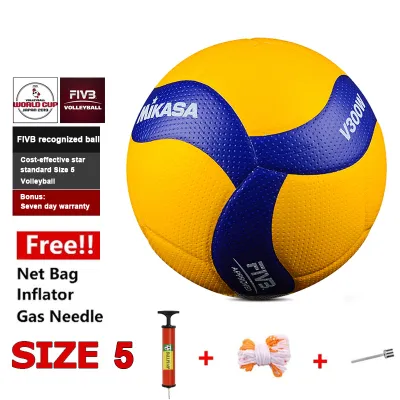
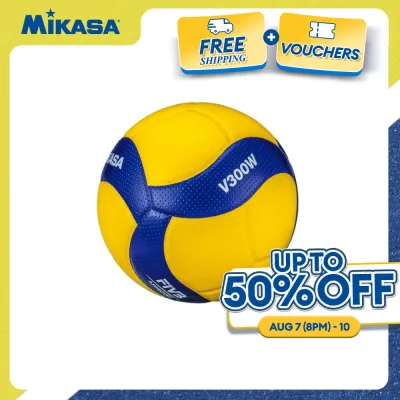
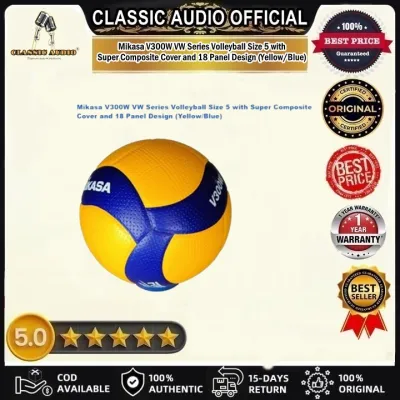
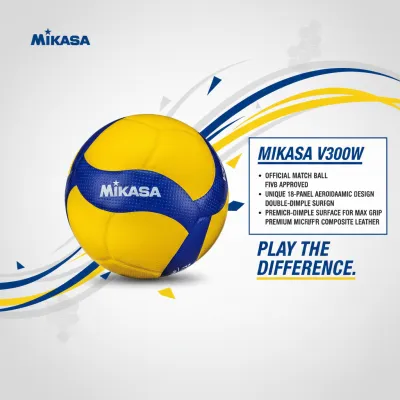
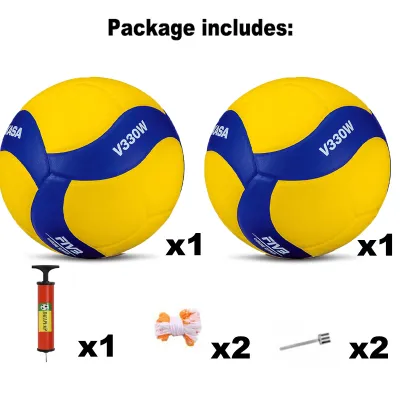
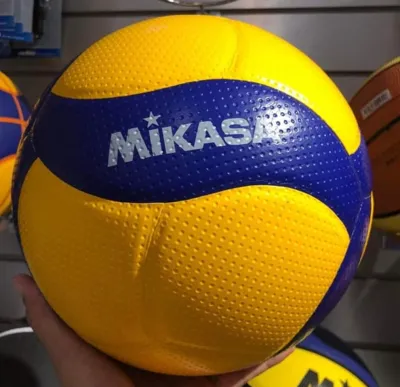
Prices are valid at publication and may change. Please refer to the product page for the latest price.
Fake volleyballs are typically manufactured using low-grade polyvinyl chloride (PVC) or stiff, low-quality polyurethane instead of the high-grade microfiber composite used by Mikasa. This makes the ball incredibly hard upon impact. Playing with a stiff counterfeit ball can lead to bruised forearms, wrist strain, and joint pain during repeated passing or spiking drills.
Furthermore, the weight distribution in counterfeit balls is rarely balanced. This imbalance results in erratic flight paths, unpredictable spins, and an inconsistent bounce that ruins competitive play.
The tropical climate of the Philippines also accelerates the deterioration of counterfeit gear. High humidity and heat quickly degrade the cheap adhesives used to bond the panels of fake balls. Within just a few weeks of use on local courts, you may notice peeling edges, warping, and persistent air leaks. Investing in a genuine V300W ensures you get a durable, high-performing piece of equipment that protects your body and withstands rigorous training sessions.
How to Inspect a Genuine Mikasa V300W
Conducting a thorough physical inspection is the most reliable way to verify the authenticity of a Mikasa V300W. Because high-quality manufacturing standards are incredibly expensive to replicate, counterfeiters almost always leave behind subtle clues in the materials, alignment, and finishing of the ball.

Packaging, Tags, and Print Quality
When you purchase a brand-new Mikasa V300W, your first line of defense is the packaging. Genuine balls are shipped either deflated in official, high-quality cardboard boxes or protected by thick, professionally printed plastic packaging featuring crisp Mikasa branding. The text on the packaging must be perfectly legible, with sharp fonts, accurate color registration, and zero spelling errors.
Inspect the tags attached to the ball or included in the box. Authentic Mikasa products feature professionally printed barcoded tags that display the exact model name (V300W), the country of manufacture, and official safety or regulatory symbols. The cardboard used for these tags should feel sturdy and thick, with clean-cut edges. Counterfeiters often use flimsy, poorly cut tags with blurry barcodes, faded text, or generic product descriptions that do not match the V300W model.
Surface Texture and Dimple Technology
The surface of a genuine Mikasa V300W is its most defining characteristic. Mikasa utilizes a specialized microfiber material featuring a “double-dimple” surface texture. This technology consists of thousands of tiny, uniform indentations across the panels, which create a slight drag in the air to stabilize the ball’s flight path and provide an exceptional grip for setters and passers.
When you run your hand over a genuine V300W, the surface should feel soft, slightly cushioned, and naturally tacky. The dimples must be consistently deep and evenly spaced across every single panel.
In contrast, counterfeit balls often feel slick, plasticky, or excessively sticky due to cheap chemical coatings. The dimples on a fake ball are frequently shallow, unevenly distributed, or completely missing in certain areas, resulting in a smooth, shiny appearance that offers poor grip, especially when exposed to sweat in humid Philippine gymnasiums.
Panel Design, Logos, and the Air Valve
The Mikasa V300W features an iconic 18-panel aerodynamic design with a striking blue and yellow color scheme. On a genuine ball, these panels are laminated and thermally bonded with absolute precision. There should be no visible gaps, fraying edges, or excess glue seeping from the seams. If you spot any stitching, the ball is an immediate fake, as the V300W is strictly a bonded, seamless ball.
Examine the printed logos and text on the ball’s surface, including the “Mikasa” brand name and the “FIVB Approved” stamp. On an authentic ball, these prints are incredibly sharp, perfectly centered within their respective panels, and resistant to scratching. Fake balls often feature slightly blurry lettering, misaligned text, or logos that easily peel or scratch off with a fingernail.
Finally, turn your attention to the air valve. The valve on a genuine Mikasa V300W is cleanly molded, sits perfectly flush with the ball’s surface, and features a small, neat opening. It is typically surrounded by clear, printed inflation instructions. Counterfeit balls frequently have misaligned, protruding, or recessed valves with rough plastic burrs, which can easily cause air leaks or puncture the inner bladder during inflation.
Red Flags: Spotting a Fake Mikasa V300W
Recognizing the common warning signs of counterfeit sports gear can save you from making a bad purchase. One of the most glaring red flags is an unrealistically low price. A genuine Mikasa V300W typically retails between ₱4,000 and ₱5,500 in the Philippines, reflecting its status as a professional-grade match ball. If you encounter a seller offering a “brand new” V300W for ₱500 to ₱1,500, it is almost certainly a counterfeit, regardless of any “original,” “factory overrun,” or “Singapore authentic” claims.
Another major warning sign is the color accuracy of the ball. Genuine Mikasa balls use a very specific, vibrant royal blue and a rich, warm yellow. Counterfeit versions often miss these exact shades, presenting as a faded baby blue, a dark navy, or a pale, neon-like yellow. Under bright indoor court lights, these color discrepancies become highly apparent.
Physical performance anomalies also serve as immediate red flags. If you inflate the ball to its recommended pressure and it feels as hard as a rock, or if it has an uneven, lopsided bounce when dropped on a flat surface, the internal bladder is likely made of cheap, poorly balanced rubber. Genuine bladders are designed to distribute air pressure perfectly, maintaining a true spherical shape and a predictable, elastic bounce.
Official Verification Steps and Distributor Checks
To guarantee that your Mikasa V300W is authentic, you can utilize official verification methods provided by authorized distributors. In the Philippines, genuine Mikasa products are imported and distributed through licensed sports distributors. These official products often come with specific security features that counterfeiters cannot easily replicate.
Look for official holographic stickers or security labels on the packaging or the ball itself. These stickers typically feature shifting colors, unique serial numbers, or QR codes that can be scanned with a smartphone. When scanned, a genuine QR code should direct you to the official distributor’s verification portal, confirming the product’s authenticity and batch details. Be cautious if the QR code directs you to a generic search engine or a suspicious, poorly designed website.
If your ball does not have a local distributor sticker but you still want to verify its origin, locate the printed panel containing the inflation pressure and model details. Genuine Mikasa balls feature a small, printed serial or batch code near the valve. You can take clear, high-resolution photographs of this code, the valve, and the overall panel alignment, and send them directly to Mikasa’s official customer support or the verified local distributor for confirmation.
Safe Purchasing Channels in the Philippines
The most effective way to avoid counterfeit sports equipment is to buy exclusively from reputable, authorized retail channels. In the Philippines, this means visiting well-established physical sporting goods stores located in major shopping malls, such as Toby’s Sports, Olympic Village, Chris Sports, JB Sports, or official department stores. Purchasing in person allows you to physically inspect the ball’s texture, weight, and valve before paying.
If you prefer shopping online, stick to official brand stores or verified flagship outlets on major e-commerce platforms. Look for platform-verified trust badges, such as “Mall” or “Official Store” designations, which legally guarantee product authenticity.
Always read the customer reviews carefully, paying close attention to 1-star and 2-star ratings. Look for reviews that contain actual photos and videos uploaded by buyers, as these will give you an honest look at the product’s surface texture and packaging. Avoid buying from unverified third-party sellers on social media marketplaces, classified ads, or street vendors. These sellers often use stock photos of genuine Mikasa balls to lure buyers, only to ship cheap counterfeits.
Steps to Take If You Receive a Suspected Fake
If you have already purchased a Mikasa V300W and suspect it is a counterfeit, acting quickly is essential to secure a refund. First, stop using the ball immediately. Playing with it can cause physical wear that might void your ability to return it under the seller’s or platform’s return policy.
Gather your evidence systematically by taking the following steps:
- Take clear photos: Capture well-lit images of the suspected areas, such as flat surface textures, misaligned panels, messy glue lines, or blurry printing.
- Keep unboxing videos: If you filmed an unboxing video when the package arrived, preserve this file, as it serves as indisputable proof of the item's condition upon delivery.
- Preserve packaging: Keep all original packaging, tags, and transaction receipts intact.
File a formal return or refund dispute through the online marketplace or retail store where you made the purchase. Select “received a counterfeit product” or “item not as described” as your primary reason, and upload your photographic evidence along with a clear explanation of the physical discrepancies. Finally, report the seller’s listing to the platform’s customer support team to help protect other volleyball players in the community.

Community discussion
Share your experience or ask a question. Comments are reviewed before publication.