
Identifying a genuine v300w mikasa original volleyball is essential for players who want to ensure they are getting the performance, durability, and feel required for competitive play. As one of the most popular indoor volleyballs globally and a staple in local tournaments across the Philippines, the Mikasa V300W is a frequent target for counterfeiters. Spotting a fake requires a systematic approach, looking closely at the physical construction, surface texture, panel alignment, and official security markings. By understanding these key indicators, you can protect your investment and avoid the frustration of playing with substandard equipment.
The Risks of Using Counterfeit Volleyballs
Using a counterfeit volleyball during training or matches introduces several practical and physical drawbacks that can hinder your athletic development. The most immediate issue is inconsistent flight and bounce. Genuine volleyballs are engineered with a highly balanced internal bladder that ensures a predictable trajectory when set, served, or spiked. Counterfeit balls, however, often suffer from uneven weight distribution and poor bladder construction, leading to erratic movement in the air that makes precise ball control nearly impossible.
Physical discomfort is another significant risk when playing with a fake ball. Authentic indoor volleyballs utilize advanced composite covers designed to absorb impact and feel soft against the hands and forearms. Counterfeits typically use cheap synthetic leather or hard plastics that do not absorb impact well. This can lead to bruising, skin irritation, and wrist discomfort, especially during high-repetition drills like passing and digging. Over time, the harsh impact of a counterfeit ball can even contribute to repetitive strain injuries.
Products mentioned in this guide
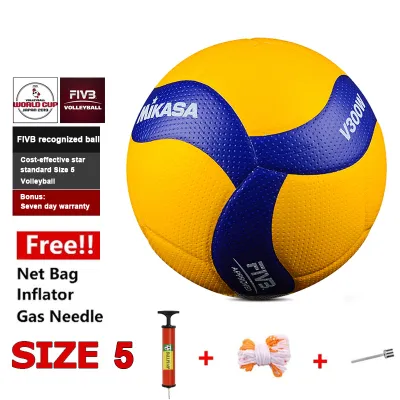
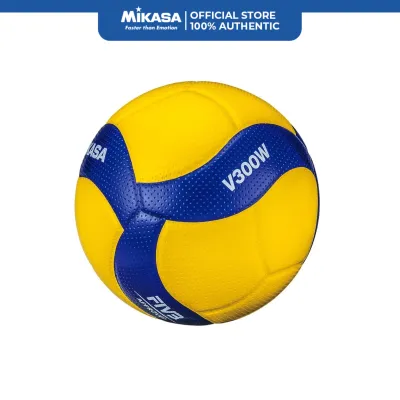
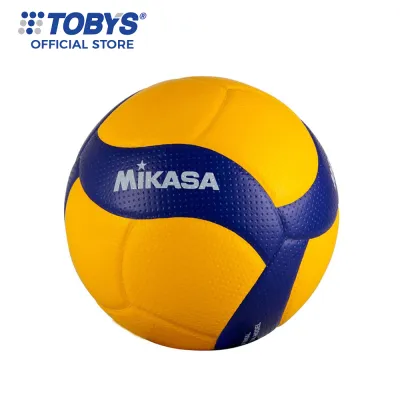
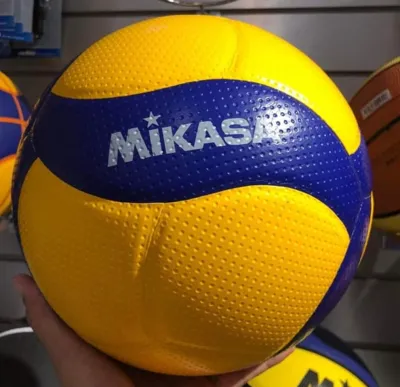
Prices are valid at publication and may change. Please refer to the product page for the latest price.
Furthermore, counterfeit volleyballs are a poor long-term investment due to rapid wear and tear. The tropical climate in the Philippines, characterized by high humidity and heat, can quickly degrade the low-quality adhesives used in fake balls. This causes the panels to peel away from the carcass after only a few sessions. Air retention is also a common issue, with counterfeits frequently losing pressure through poorly sealed valves, requiring constant reinflation and eventually rendering the ball unusable.
Physical Inspection Checklist for the V300W
To successfully identify a counterfeit, you must perform a multi-point physical inspection rather than relying on a single visual cue. Counterfeiters have become highly skilled at replicating the basic aesthetic of the V300W, meaning a casual glance is no longer sufficient. By systematically evaluating the packaging, surface texture, and physical balance, you can confidently determine whether a ball is genuine before taking it to the court.

Packaging and Labeling Checks
The evaluation process begins before you even touch the ball itself. Inspect the external packaging and labeling for signs of poor manufacturing. Genuine Mikasa volleyballs are shipped in high-quality boxes with crisp, high-resolution printing, accurate brand colors, and perfect spelling. Counterfeit packaging often exhibits blurry text, misaligned logos, and spelling errors in the technical specifications or care instructions.
Additionally, check for clear, scannable barcodes and proper branding placement on the box. Authentic products feature standardized labeling that includes specific model numbers, bar codes, and distributor details. If the packaging looks flimsy, lacks official branding, or features generic labels with no clear product information, it is a strong indicator that the product inside is not genuine.
Surface Texture and Panel Alignment
The V300W is distinguished by its advanced surface design, which features a unique dimple texture. On an original ball, this dimple pattern is uniform, clean, and precisely molded across all panels to optimize grip and flight stability. When you run your hand over a genuine ball, the texture feels consistent and distinct. Counterfeit versions often have shallow, uneven dimples, or the texture may feel entirely smooth in certain areas due to inferior molding technology.
Panel alignment is another critical area to inspect. Genuine Mikasa balls are constructed with meticulous precision, resulting in perfectly aligned, tightly sealed panel seams with no visible gaps, overlapping edges, or loose corners. Counterfeits frequently show sloppy craftsmanship, such as uneven gaps between the blue and yellow panels, visible glue lines along the seams, or panels that do not lay completely flat against the ball’s surface.
Color accuracy is also a helpful indicator. The signature blue and yellow panels of a genuine V300W have specific, vibrant shades that are highly consistent across production batches. Counterfeit balls often feature off-shade colors—such as a pale yellow or a dull, dark blue—and the boundaries between the colors may appear slightly blurry or poorly defined.
Weight, Balance, and Valve Inspection
The structural integrity of the ball can be assessed by examining the valve and testing its physical balance. Inspect the inflation valve area closely. On an authentic V300W, the rubber valve is perfectly centered, flush with the surface of the ball, and free of messy adhesive residue. Counterfeit balls often have misaligned valves, visible excess glue around the opening, or a valve that sits too deep or protrudes excessively, which can cause air leaks and affect the ball’s flight.
Weight and balance are equally telling. While you may not always have a precision scale, a genuine V300W is manufactured to strict weight specifications. If you inflate the ball to its recommended pressure, it should feel balanced when tossed or spun in the air. A counterfeit ball often has an off-center bladder, causing it to wobble or veer to one side when spun, indicating poor internal construction.
Official Authentication and Verification Steps
To combat the rise of counterfeit sports gear, manufacturers and authorized distributors implement specific security features. When purchasing a V300W, look for official security elements such as holographic stickers, unique serial numbers, or QR codes on the packaging or the ball itself. These features are designed to be difficult to replicate and often link to a verification portal when scanned.
Because counterfeiters constantly adapt their methods, security features can change over time. The most reliable way to confirm these details is to consult the official Mikasa website or contact authorized regional distributors. They provide the most up-to-date verification guides, detailing current sticker designs, packaging layouts, and authorized retail partners, ensuring you have the latest information to verify your purchase.
How to Choose Safe Purchasing Channels
The most effective way to avoid counterfeit volleyballs is to select your purchasing channels carefully. Prioritize buying from authorized physical sporting goods stores, official brand flagship stores, or verified distributors. These retailers source their inventory directly from the manufacturer, guaranteeing authenticity and providing reliable customer support.
When shopping on online marketplaces or ecommerce platforms, exercise extreme caution. Be highly skeptical of listings that offer the V300W at unusually low prices. If a seller is offering the ball significantly below the standard retail price in Philippine Pesos (₱), it is almost certainly a counterfeit. Always check for verified seller badges, read customer reviews carefully, and look for user-uploaded photos that show the actual product received rather than relying on stock images provided by the seller.
Steps to Take If You Receive a Suspected Fake
If you suspect that you have received a counterfeit V300W, take immediate action to document the discrepancies. Use a smartphone to take clear, high-resolution photos and videos of the ball, focusing on the specific areas of concern such as messy valve glue, uneven dimples, misaligned panels, or packaging typos. This documentation will serve as crucial evidence for your claim.
Do not use, play with, or further inflate the ball if you intend to return it, as keeping it in pristine condition strengthens your case. Initiate a return or refund request through the ecommerce platform’s buyer protection program, uploading your documented photos and videos as proof. Additionally, report the seller’s listing to the platform to help prevent other volleyball players from falling victim to the same counterfeit listing.
Frequently Asked Questions (FAQ)
Can a fake Mikasa V300W be used for casual practice?
While a counterfeit ball can technically be used for basic wall passing or casual backyard play, its performance limitations make it a poor choice even for casual practice. The hard surface materials can cause unnecessary hand and wrist discomfort, and the unpredictable bounce makes it difficult to develop proper setting, passing, and spiking techniques. For casual play, it is highly recommended to purchase a genuine, lower-priced model from a reputable brand rather than a counterfeit premium model.
Does the country of manufacture affect the ball's authenticity?
Authentic Mikasa volleyballs are produced in authorized manufacturing facilities, with many high-end models manufactured in Thailand. However, manufacturing locations can vary or change over time based on production demands. A country of origin label alone does not prove or disprove authenticity. To verify if a specific manufacturing location is legitimate, cross-reference the details with official brand statements or guidelines provided by authorized distributors.
Is a missing holographic sticker always a sign of a fake?
Not necessarily. Security features, including holographic stickers and QR codes, can vary depending on the region of distribution, the specific importer, and the production batch. Some genuine balls imported through different channels may not feature the local distributor’s specific holographic sticker. To ensure authenticity in these cases, focus on verifying the physical construction details of the ball and always purchase from trusted, authorized retailers.

Community discussion
Share your experience or ask a question. Comments are reviewed before publication.