
Finding a genuine Mikasa volleyball in the Philippines requires a keen eye and a basic understanding of the brand’s manufacturing standards. As one of the most respected names in court sports, Mikasa is the go-to choice for school tournaments, local barangay leagues, and professional competitions. However, this high demand has led to a surge of counterfeit volleyballs circulating in both physical markets and online e-commerce platforms. Purchasing a fake ball not only wastes your money but also severely compromises your playing experience.
To determine if a Mikasa volleyball is original, you must look beyond the surface color and examine the finer details of its construction. Genuine balls are engineered with precise specifications, high-grade synthetic materials, and advanced valve systems that counterfeiters struggle to replicate. By conducting visual, tactile, and seller checks, you can confidently verify the authenticity of your gear before taking it to the court.
Why Counterfeit Mikasa Volleyballs Are a Concern
Using a counterfeit volleyball can significantly hinder your skill development and enjoyment of the game. Original Mikasa volleyballs are designed to deliver a consistent bounce, predictable flight path, and optimal grip, which are essential for executing precise sets, serves, and spikes. When you play with a fake ball, the uneven weight distribution and poor aerodynamics often result in erratic flight patterns, making it difficult for players to judge where the ball will land.
Products mentioned in this guide
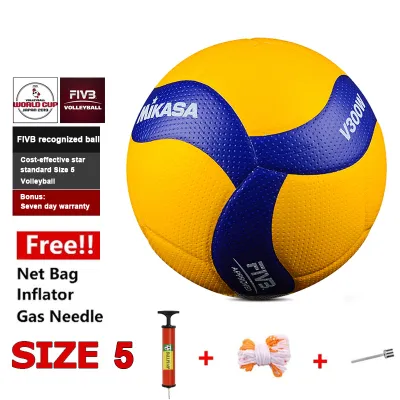
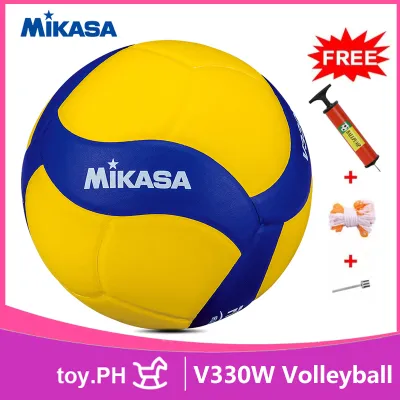
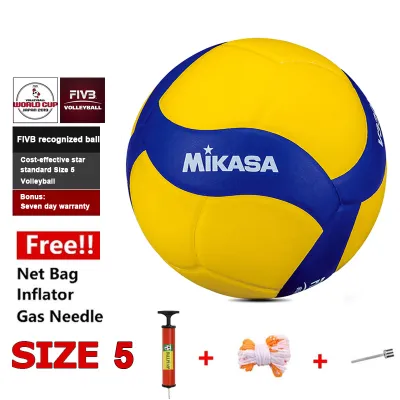
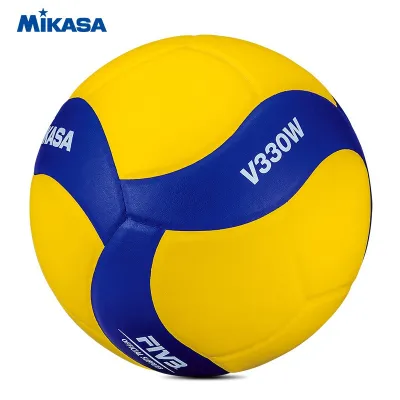
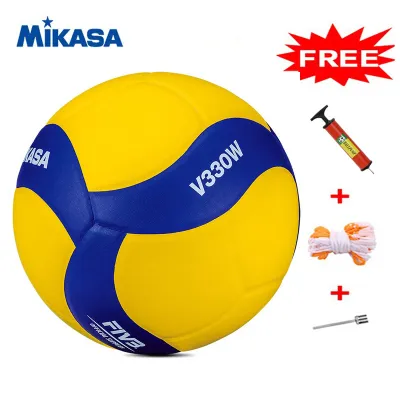
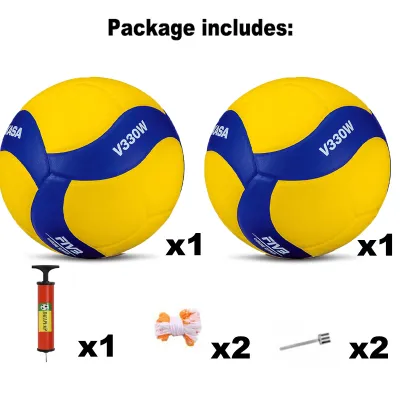
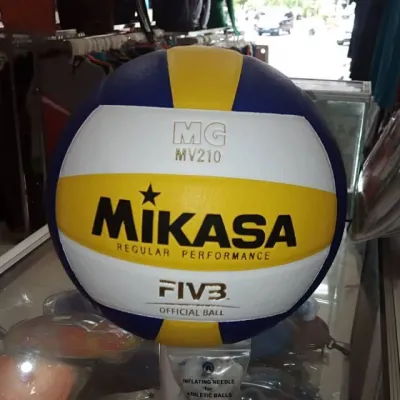
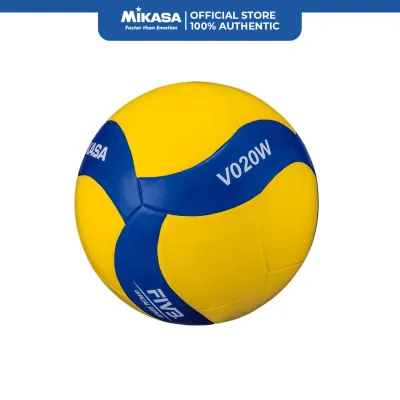
Prices are valid at publication and may change. Please refer to the product page for the latest price.
Durability is another major issue, especially under tropical conditions. The high humidity and ambient heat in the Philippines can accelerate the degradation of low-quality adhesives used in counterfeit manufacturing. Over time, or even after just a few intense training sessions on outdoor concrete courts, the panels of a fake ball may begin to peel, warp, or bubble. This rapid wear and tear means you will likely end up spending more money replacing cheap fakes than you would investing in a single genuine ball.
Furthermore, poor-quality materials present subtle safety and comfort risks. Counterfeit balls are often made of stiff, low-grade PVC or synthetic leather that feels excessively hard upon impact. Repetitive passing and blocking with a rigid, poorly cushioned ball can cause unnecessary bruising, wrist strain, and skin irritation. Additionally, defective inflation valves on fake balls tend to leak air constantly, forcing you to interrupt your games for frequent reinflation.
Key Visual and Tactile Checks for Authenticity
The most reliable way to spot a counterfeit Mikasa volleyball is through a close physical inspection of its exterior panels, seams, and overall texture. Original Mikasa indoor volleyballs, such as the iconic V200W model, feature an eighteen-panel aerodynamic design with perfectly aligned seams. Inspect the gaps between these panels very closely; on a genuine ball, the seams are tight, uniform, and free of visible glue residue. Counterfeit balls often exhibit sloppy craftsmanship, with uneven panel spacing, overlapping edges, and noticeable adhesive spills along the seams.

Tactile feedback is equally telling when evaluating a ball’s authenticity. Genuine premium Mikasa volleyballs utilize a specialized double-dimple microfiber surface or a high-quality synthetic leather cover that feels soft yet grippy. This textured surface is engineered to absorb sweat and provide maximum control during fast-paced rallies. In contrast, counterfeit balls usually feel slick, plasticky, or unusually hard to the touch. If the ball feels like cheap plastic and lacks any distinct, refined texture, it is highly likely a fake.
Branding and logo placement offer clear visual clues that counterfeiters frequently get wrong. Examine the Mikasa logo and model markings printed on the ball. On an original product, the lettering is crisp, perfectly centered, and printed with durable, high-contrast ink that resists scratching. Counterfeit versions often feature blurry edges, slightly distorted fonts, or off-center alignment. In some cases, the colors of the logo may appear faded or mismatched compared to official product images.
Do not overlook the inflation valve, as this is a critical component of any high-performance volleyball. A genuine Mikasa ball features a high-grade, self-sealing rubber valve that sits flush with the ball’s surface or is neatly recessed. The area surrounding the valve should be clean and perfectly circular. On counterfeit balls, the valve is often misaligned, protrudes awkwardly, or is made of cheap, rigid plastic that easily damages when you insert an inflation needle.
Verifying Official Tags and Packaging Details
Authentic Mikasa volleyballs are packaged and labeled with the same attention to detail as the balls themselves. When purchasing a new ball, it should ideally come in its original, branded cardboard packaging. Genuine packaging features high-resolution printing, clear product specifications, and accurate barcodes. If the ball is delivered deflated in a generic, unmarked plastic bag, or if the box is made of flimsy cardboard with blurry graphics and spelling errors, you should immediately question its authenticity.
Many genuine Mikasa products include official hangtags, security labels, or holographic stickers on the packaging or the ball itself. These security features are designed to help consumers verify their purchase. If a holographic sticker is present, tilt it under a light source to check for clear color shifts and sharp, multi-layered branding elements. Some models also feature scratch-off panels with unique QR codes that link directly to the manufacturer’s official verification website. Always double-check the URL of the landing page to ensure it is the official brand domain and not a clever copycat site.
Additionally, compare the physical specifications of the ball with the details printed on the packaging and the official website. A genuine Mikasa volleyball must conform to strict weight and circumference standards set by international governing bodies. If you have access to a digital scale, weigh the ball when it is inflated to the recommended pressure. Counterfeit balls often deviate significantly from standard weights because they use cheaper, heavier bladder materials or thinner outer covers.
Evaluating the Seller and Purchase Channel
Where you buy your volleyball is just as important as how the ball looks and feels. To minimize the risk of purchasing a counterfeit product, always prioritize authorized physical sporting goods stores and official brand outlets located in major shopping malls across the Philippines. These established retailers source their inventory directly from authorized distributors, ensuring that every product on their shelves is genuine.
If you prefer the convenience of online shopping, exercise extreme caution when navigating e-commerce platforms and online marketplaces. Look for verified official stores, often designated with a special brand tag or mall guarantee icon. Read through the customer reviews carefully, paying close attention to photos uploaded by previous buyers. If multiple reviews mention that the ball deflates quickly, feels excessively hard, or arrived with peeling panels, avoid that seller entirely.
Be wary of listings that rely solely on stock photos or offer premium Mikasa models at prices that seem too good to be true. While seasonal sales and promotions do occur, a genuine high-end volleyball will not be sold at a fraction of its standard retail value. If a seller is offering a premium match ball for the price of a basic recreational ball, it is almost certainly a counterfeit. Furthermore, check the seller’s return policy; reputable merchants will offer a clear, hassle-free return window and an authenticity guarantee.
What to Do If You Suspect a Fake
If you have already purchased a volleyball and suspect it is a counterfeit after conducting your physical and packaging checks, you should take immediate action. Start by documenting all the discrepancies you have found. Take clear, high-resolution photos and videos of the messy seams, misaligned logos, leaking valve, or suspicious packaging details. This visual evidence will be crucial when filing a dispute.
Next, initiate a return or refund request through the e-commerce platform’s buyer protection program or contact the physical store where you made the purchase. Clearly state that the item received is counterfeit and provide the documented evidence to support your claim. Most reputable online marketplaces have strict policies against the sale of counterfeit goods and will refund your money if you can demonstrate that the product is not genuine.
Finally, avoid using the suspected counterfeit ball for your regular training sessions or official matches. Playing with a poorly constructed ball can disrupt your team’s practice, affect your skill development, and potentially lead to minor hand or wrist injuries due to the ball’s unpredictable behavior and hard texture. Instead, keep the ball in its original condition until your refund dispute is fully resolved.
Frequently Asked Questions (FAQ)
Can I rely solely on the price to identify a fake Mikasa volleyball?
No, you should never rely solely on the price to determine whether a Mikasa volleyball is original. While an incredibly low price—such as a premium match ball listed for only a few hundred pesos—is a clear warning sign of a counterfeit, some sellers of fake goods have become more sophisticated. They may price their counterfeit balls only slightly below the standard retail price in ₱ to make the listing appear like a legitimate discount. Therefore, you must always combine price evaluation with physical inspections of the ball’s seams, texture, and valve, as well as a thorough check of the seller’s reputation.
Do all genuine Mikasa volleyballs come with a holographic sticker?
Not all genuine Mikasa volleyballs feature a holographic sticker. Security measures, including holograms, QR codes, and specific hangtags, can vary depending on the model of the ball, the year of production, and the specific region for which it was manufactured. The absence of a holographic sticker does not automatically mean the ball is counterfeit, provided it passes all other physical and tactile quality checks. To stay updated on the most current security features, it is best to consult the official Mikasa website or contact an authorized local distributor in the Philippines.

Community discussion
Share your experience or ask a question. Comments are reviewed before publication.