
Identifying a genuine Molten basketball requires a systematic inspection of its physical construction, packaging, and labeling. Because counterfeiters have become highly sophisticated, relying on a single visual marker is no longer sufficient to guarantee authenticity. Instead, you must evaluate multiple physical details and compare them directly against official manufacturer specifications.
The most reliable defense against purchasing a counterfeit ball is sourcing your equipment from authorized retail channels. While visual and tactile checks help verify a ball already in your possession, counterfeiters constantly update their manufacturing methods to mimic genuine products. A comprehensive checklist remains your most practical tool for spotting discrepancies before taking the ball to the court.
Inspecting Packaging, Tags, and Official Labels
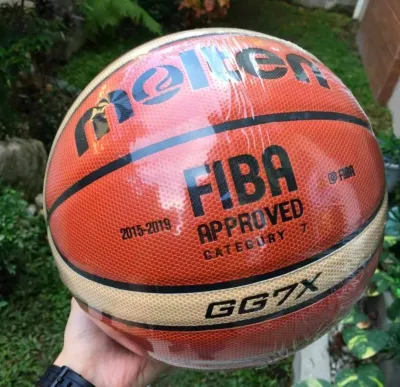
When you first receive a basketball, the external packaging serves as the first line of defense in verification. Genuine products are shipped in high-quality boxes or protective plastic wrapping that features crisp, clear printing. Look closely at the brand logos and typography on the packaging, as counterfeit boxes often display blurry text, misaligned graphics, or slight spelling variations.
Products mentioned in this guide
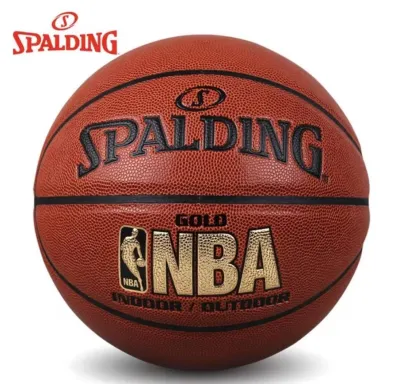
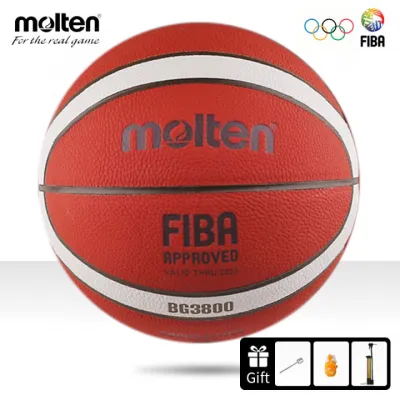
Prices are valid at publication and may change. Please refer to the product page for the latest price.
Official labels and security features provide another layer of verification. Many authentic basketballs feature holographic stickers, unique barcodes, or QR codes on the packaging or the ball itself. You can verify these codes by entering them on the manufacturer’s official website or dedicated verification application, though you should always access these portals directly rather than scanning unverified QR codes that might lead to spoofed websites.
The hangtags attached to the ball must also align with the product’s actual specifications. Check that the printed model number, size indicator, and material descriptions match the physical ball. Discrepancies in these details, such as a tag claiming the ball is made of premium leather when it is clearly synthetic rubber, are immediate red flags.
Evaluating Build Quality, Texture, and Physical Markings
The tactile feel of a basketball is incredibly difficult for counterfeiters to replicate accurately. Genuine Molten basketballs feature a distinct pebbling pattern designed to optimize grip under sweaty, humid conditions typical of local Philippine courts. Inspect the pebbles closely; they should be deep, uniform, and consistent across the entire surface, whereas counterfeit balls often feel overly smooth, plasticky, or artificially rough in random patches.

The seams and channels of the ball require close physical inspection. Authentic manufacturing processes ensure that the rubber channels are straight, evenly spaced, and cleanly molded into the carcass of the ball. If you notice excess glue spilling out of the seams, uneven channel depths, or peeling edges along the panels, the ball likely did not undergo official quality control.
The inflation valve is another critical area that reveals manufacturing quality. On an original ball, the valve should sit flush with the outer surface, cleanly inserted into its designated recess without any surrounding gaps. A misaligned valve, a valve that protrudes awkwardly, or visible rubber debris around the inflation port suggests a counterfeit product that may suffer from chronic air leakage.
Finally, examine the printed and embossed markings on the ball’s surface. Genuine balls feature sharp, clean edges on all logos, model names, and inflation pressure recommendations. Counterfeiters often use low-grade printing techniques that result in smudged ink, bleeding colors, or fonts that differ slightly from the official brand design.
Choosing Reliable Purchase Channels in the Philippines
To minimize the risk of acquiring a counterfeit basketball, you should prioritize established purchase channels. Buying directly from official brand stores, authorized sporting goods retailers, and reputable physical department stores ensures that the supply chain is secure. These physical locations allow you to handle the ball and perform tactile checks before completing your purchase.
Purchasing from unverified sellers on online marketplaces or e-commerce platforms carries a significantly higher risk. Be particularly cautious when a listing offers a premium model at a price in ₱ that seems too good to be true. While discounts do occur, prices that fall far below the standard retail average usually indicate a counterfeit product.
When shopping online, take the time to scrutinize the seller’s profile and history. Look for official store badges or verification marks provided by the e-commerce platform to identify authorized distributors. Additionally, read recent customer reviews, paying close attention to buyer-uploaded photos that show the actual product received rather than relying solely on stock images provided by the seller.
What to Do If You Suspect a Counterfeit
If you suspect that your newly purchased basketball is a counterfeit, you must stop using it immediately. Playing with the ball on outdoor concrete or indoor courts will cause wear and tear, which sellers or platforms may use as a reason to deny your return or refund claim. Keeping the ball in its pristine, unused condition preserves the physical evidence.
Next, document all the discrepancies you have identified. Take clear, high-resolution photos of the packaging, the tags, and the specific physical flaws, such as misaligned seams, messy glue lines, or printing errors. These visual proofs will serve as the foundation of your dispute.
Contact the seller or the customer support team of the e-commerce platform where you made the purchase to initiate a formal dispute. Present your documented evidence clearly and request a full refund based on the product being non-genuine. If the seller disputes your claim, you can reach out to the official brand representative in the Philippines to seek formal verification support.
Frequently Asked Questions (FAQ)
Can I verify a Molten basketball just by its weight?
While official basketballs are manufactured to meet specific weight standards, weight alone is not a foolproof indicator of authenticity. Counterfeiters can easily add extra rubber or internal weights to make a fake ball match the weight of a genuine one. To ensure accuracy, you must combine weight checks with a thorough inspection of the ball’s texture, valve alignment, and packaging details.
Do all genuine Molten basketballs come with a warranty?
Warranty coverage for genuine basketballs depends heavily on the specific retailer and local consumer protection laws in the Philippines. Authorized dealers typically offer a limited warranty against manufacturing defects, such as bladder leaks or panel separation. Counterfeit products, however, are completely excluded from official manufacturer warranties and support channels.

Community discussion
Share your experience or ask a question. Comments are reviewed before publication.