
Verifying a genuine Molten BG4550 basketball requires a careful inspection of its physical construction, surface texture, valve details, and packaging. Because this premium composite leather ball is highly sought after for indoor and outdoor courts in the Philippines, counterfeiters frequently replicate its appearance. You can distinguish an original from a fake by checking the alignment of the 12-panel design, feeling the depth of the pebble grain, inspecting the valve area for clean molding, and verifying the official distributor labels.
Why Authenticity Matters for Performance and Safety
Playing basketball on local concrete courts or polished indoor hardwood requires reliable equipment. A genuine BG4550 is engineered to maintain consistent bounce height and predictable rebound angles, which are essential for developing proper shooting and dribbling mechanics. Counterfeit balls often suffer from uneven bladder construction, leading to erratic bounces that disrupt your training.
Grip is another critical factor, especially in hot and humid tropical climates. Genuine composite leather manages sweat and moisture effectively, allowing you to maintain control during fast breaks and quick passes. Fake balls typically use cheap synthetic plastics that become slick and slippery when exposed to sweat, increasing the likelihood of turnovers and fumbled catches.
Products mentioned in this guide
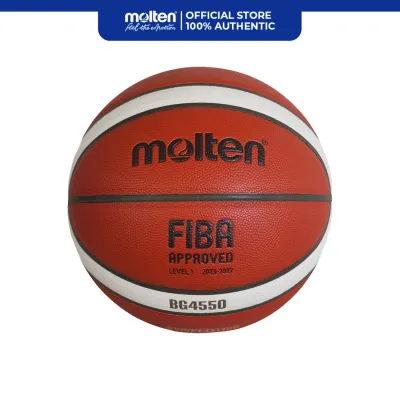
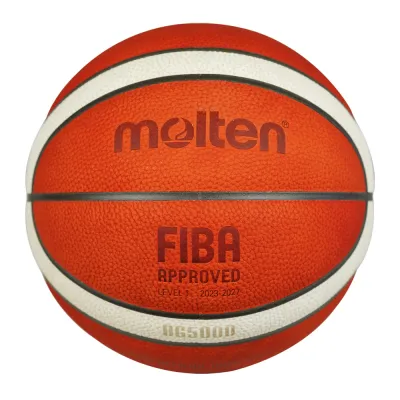
Prices are valid at publication and may change. Please refer to the product page for the latest price.
Physical safety is also a concern when using substandard gear. A poorly constructed ball can deflate suddenly or develop lumpy air pockets during play, which can lead to finger jams, wrist strains, or awkward landings if you trip over an unpredictable bounce. Investing in an original ball ensures structural integrity, saving you from the recurring cost of replacing cheap replicas that wear out after just a few games.
Inspecting Packaging and Official Labels
Before you even inflate or touch the basketball, the packaging offers immediate clues about its authenticity. Original Molten basketballs are shipped in high-quality, sturdy cardboard boxes with crisp, high-resolution printing. If the box feels flimsy, has blurry graphics, or displays faded colors, you should proceed with caution.

Examine the labels and stickers on the box carefully. A genuine BG4550 package will feature clear barcodes, the correct model number, size indicators (typically Size 7 for standard adult play), and official manufacturing details. Look closely for the specific distributor sticker, which is a common requirement for official imports in the Philippines.
Inspect the text printed on the packaging for spelling mistakes, grammatical errors, or awkward translations. Genuine manufacturers maintain strict quality control over their printed materials, so any typos in the brand name or product descriptions are immediate indicators of a counterfeit. Additionally, check for the inclusion of official inflation instructions or warranty leaflets inside the box.
Evaluating Surface Texture and Material Feel
The tactile feel of the BG4550 is one of its most defining characteristics. Genuine Molten composite leather has a distinct, uniform pebble pattern designed to optimize grip. When you run your hands over the surface, the pebbles should feel consistent in depth and spacing across all twelve panels.
Inspect the alignment of the panels and the precision of the seams. On an original ball, the panels are aligned with high precision, leaving virtually no gaps or overlapping edges. The signature dual-tone color scheme should be vibrant and consistent, with sharp, clean borders between the contrasting panels rather than bleeding or uneven lines.
Pay close attention to the printed logos and branding on the ball’s surface. The Molten logo and the “BG4550” model designation must be printed with high sharpness, showing no smudging, bleeding, or crooked placement. Furthermore, counterfeit balls often emit a strong, unpleasant chemical odor from cheap adhesives and synthetic materials, whereas genuine balls have a mild, neutral material scent.
Checking the Valve and Overall Construction
The air valve is a critical component that counterfeiters often fail to replicate with precision. On an original BG4550, the valve is cleanly molded, precisely centered within its recess, and flush with the ball’s surface. You should see clear, legible inflation pressure recommendations stamped directly around the valve area.
Inspect the seams and panel edges for any signs of excess glue or sloppy manufacturing. While minor cosmetic imperfections can occur, large globs of dried adhesive, peeling panel corners, or frayed edges are strong indicators of a low-quality counterfeit. The channels between the panels should be uniform in depth and width around the entire circumference of the ball.
Once the ball is inflated to the recommended pressure, check its overall shape and balance. A genuine basketball is symmetrical and round, retaining its shape under pressure. You can test the balance by spinning the ball on your finger or a flat surface; an original ball will spin smoothly without wobbling, whereas an unevenly weighted fake will quickly lose balance and tilt to one side.
Spotting Common Red Flags in Counterfeit Basketballs
Counterfeiters often make simple mistakes that are easy to spot if you know what to look for. Misspelled brand names, such as “Motlen” or “Mollten,” or the use of incorrect fonts that differ from the official branding are clear signs of a fake. Logos that look slightly crooked, off-center, or feel like they can be easily peeled off with a fingernail should also raise immediate red flags.
The physical weight and sound of the ball during play can also reveal its true origin. Genuine composite leather balls have a specific weight range designed for official play, whereas fakes are often unusually light or feel excessively heavy due to cheap rubber bladders. When bounced on a hard surface, a counterfeit ball may produce a high-pitched, hollow sound rather than the solid, low-frequency thud of an original.
Pricing is another major indicator of authenticity. If you encounter a listing on an online marketplace offering a BG4550 at a price that is significantly lower than the standard retail price—such as ₱1,000 or less—it is highly likely to be a counterfeit. Genuine premium basketballs maintain a relatively stable market value, and extreme discounts are rarely legitimate.
Choosing Reliable Purchasing Channels
To minimize the risk of purchasing a counterfeit basketball, you should always prioritize reliable buying channels. Purchasing directly from authorized sports equipment retailers, physical specialty shops, or official brand flagship stores on major e-commerce platforms is the safest way to ensure you receive a genuine product. These sellers source their inventory directly from official distributors and offer reliable customer support.
When shopping on online marketplaces, take the time to evaluate third-party sellers carefully. Check the seller’s overall rating, read verified customer reviews, and look for photos uploaded by previous buyers showing the actual product received. Be skeptical of stores with very few ratings, generic names, or those that do not offer a clear return and refund policy.
Avoid buying from unverified sellers on social media platforms, street vendors, or unauthorized online listings that offer steep, unexplained discounts. While the lower price may seem tempting, these channels rarely offer buyer protection, making it extremely difficult to recover your money if you receive a counterfeit or defective product.
What to Do If You Suspect a Fake
If you have already purchased a BG4550 and suspect it is a counterfeit, you should take immediate action to protect your purchase. Start by documenting all the physical flaws, packaging discrepancies, and labeling errors you have identified. Take clear, high-resolution photos and videos of the ball, focusing on the valve, seams, logos, and any areas with visible glue residue or poor alignment.
Next, initiate a return or refund request through the e-commerce platform’s buyer protection program or contact the retailer’s customer service department directly. Provide your documented evidence, explaining clearly why you believe the product is not genuine. Most reputable platforms have strict policies against counterfeit goods and will facilitate a refund if you can demonstrate that the item is fake.
Finally, report the suspicious listing or seller to the marketplace administration or local consumer protection agencies. By reporting these fraudulent listings, you help protect other basketball enthusiasts in the community from falling victim to the same scams and ensure a fairer marketplace for everyone.
Frequently Asked Questions (FAQ)
Can I verify a Molten BG4550 using a QR code or official app?
While some sports brands utilize QR codes or dedicated mobile applications for product verification, Molten does not currently offer a universal digital scanning system or official app specifically for verifying the BG4550. You should be highly cautious of third-party verification apps or websites that claim to authenticate your basketball, as these are often unaffiliated with the brand and can be easily faked. Instead, relying on a thorough physical and tactile inspection of the ball’s construction, materials, and official distributor labels remains the most reliable method to confirm authenticity.
Does a fake Molten basketball break in or improve with use?
No, a counterfeit basketball will not improve or break in with use. While genuine composite leather is designed to soften slightly and offer a better grip as it absorbs a small amount of natural hand oils over time, cheap synthetic materials used in fakes will only degrade. Counterfeit balls typically lose their grip quickly, become excessively slippery when exposed to sweat, and may begin to peel or crack at the seams. If you notice the surface material peeling or causing hand abrasions, you should stop using the ball immediately to prevent minor skin irritation and avoid unpredictable bounces that could lead to injury.

Community discussion
Share your experience or ask a question. Comments are reviewed before publication.