
Spotting a counterfeit plastic shuttlecock requires a systematic approach that combines visual inspection, physical testing, and digital verification. Because high-quality nylon or plastic shuttlecocks are engineered for precise flight and durability, counterfeiters often struggle to replicate the exact material composition and manufacturing tolerances of genuine brands. By examining the packaging details, testing the flexibility of the skirt, checking the weight distribution of the cork base, and verifying security codes, you can protect your investment and ensure a consistent game on the court.
The Risks of Using Counterfeit Plastic Shuttlecocks
Playing with counterfeit badminton gear does more than just hurt your wallet; it directly degrades your performance and can even damage your equipment. Genuine plastic shuttlecocks are designed to mimic the flight trajectory of feather shuttlecocks while offering superior durability, especially in the humid, tropical climate of the Philippines where indoor courts can get warm. Counterfeit versions, however, often suffer from unpredictable flight paths, wobbling mid-air, and dropping prematurely, which disrupts the rhythm of your rallies.
Furthermore, sub-standard plastics and weak adhesives used in fake shuttlecocks make them highly prone to sudden structural failure. During high-speed smashes, a counterfeit skirt can easily tear or shatter, sending sharp plastic fragments across the court. This poses a risk of minor eye or facial injuries to players and can also cause immediate damage to your racket strings, leading to costly repairs or replacements.
Products mentioned in this guide
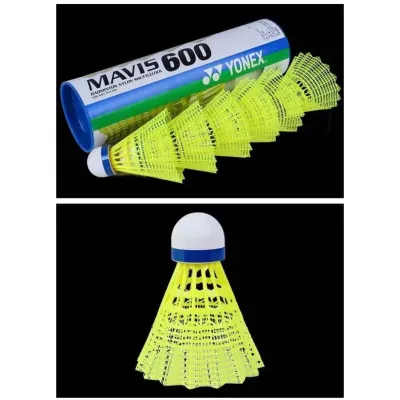
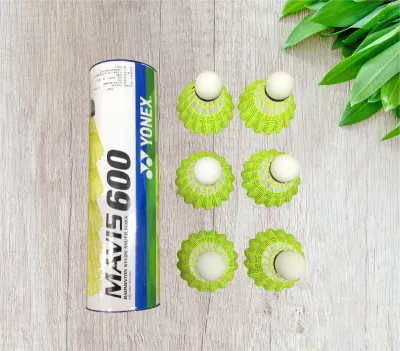
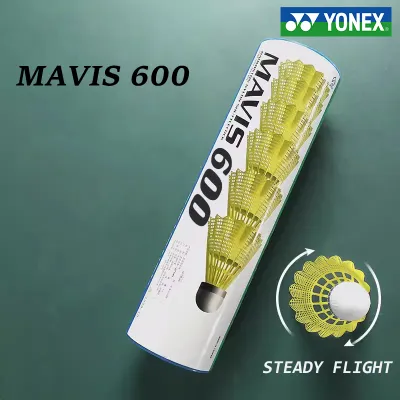
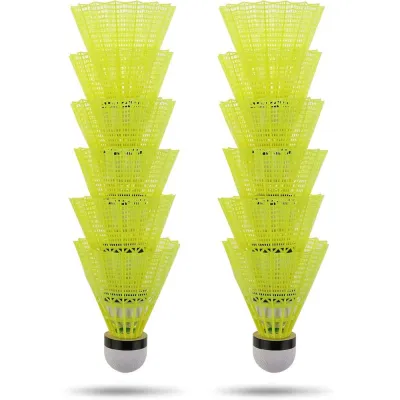
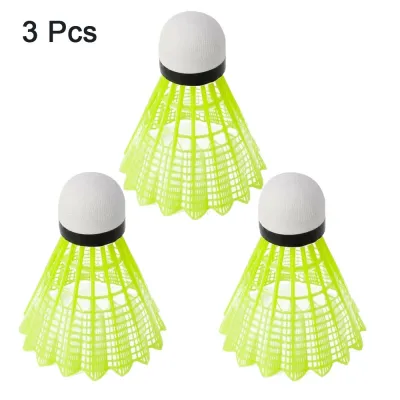
Prices are valid at publication and may change. Please refer to the product page for the latest price.
Step 1: Inspecting the Packaging and Security Labels
Your first line of defense against counterfeit gear starts before you even touch the shuttlecock itself. Authentic manufacturers invest heavily in high-quality packaging, whereas counterfeiters often cut corners on printing and materials. Carefully examine the outer cardboard or plastic tube for crisp, high-resolution graphics, accurate brand logos, and consistent color matching. Any blurry text, misaligned elements, or spelling and grammatical errors on the warning labels or product descriptions are immediate red flags.

Next, turn your attention to the barcode and batch numbers printed on the tube. On genuine packaging, these identifiers are cleanly aligned, sharp, and usually printed directly onto the label or tube rather than being poorly stuck on as an afterthought. Check if the batch number matches across all tubes if you purchased a multi-pack, as counterfeiters frequently reuse the same serial numbers across thousands of fake batches.
Most reputable sports brands now incorporate advanced security features on their packaging to deter counterfeiters. Look closely for holographic stickers, color-shifting inks that change hue when tilted under court lighting, or scratch-off panels that reveal a unique authentication code. If the holographic sticker looks dull, lacks depth, or peels off too easily without leaving a security pattern behind, the product is highly likely to be a counterfeit.
Step 2: Examining the Shuttlecock's Physical Build
Once you open the tube, a close physical inspection of the shuttlecock will reveal the manufacturing shortcuts typical of counterfeit operations. Start by evaluating the plastic or nylon skirt under bright light. Genuine shuttlecocks feature highly uniform molding, where each rib and cross-weave is smooth, clean, and perfectly symmetrical. Counterfeit skirts often exhibit rough edges, excess plastic bits known as flashing, or uneven thickness along the ribs, which severely compromises aerodynamic stability.
The base of the shuttlecock, typically made of natural cork or synthetic foam, is another critical area to examine. Authentic bases are securely bonded to the skirt with a clean, even application of specialized adhesive. In contrast, fake shuttlecocks often show messy glue spills, uneven seams, or a base that is visibly misaligned with the plastic skirt. If the base feels unusually soft, hollow, or crumbles easily under light thumb pressure, it indicates cheap, low-density materials that will ruin the shuttlecock’s weight distribution.
Finally, test the structural integrity and stiffness of the skirt by gently squeezing it. An original plastic shuttlecock is engineered to flex under impact and quickly snap back to its original shape without losing its structural form. If the skirt feels excessively stiff and brittle, or if it remains deformed after a gentle squeeze, the plastic formula is incorrect. This lack of elasticity means the shuttlecock will fly erratically and split open after only a few hard hits.
Step 3: Verifying Through Official Channels
To remove all doubt, you should utilize the digital verification systems provided by major sports manufacturers. Most leading brands have established dedicated online portals specifically designed to help consumers verify their purchases. You can typically find the link to these portals on the manufacturer’s official global website or by scanning the QR code printed on the security label.
Locate the scratch-off panel on your shuttlecock tube and gently scratch it to reveal the unique serial or security number. Enter this code exactly as written into the official brand verification portal. The system will instantly tell you if the code is valid and registered in their database.
Be highly attentive to the system’s response regarding how many times the code has been queried. A genuine code should ideally show that it is being checked for the very first time. If the portal indicates that the code has already been searched dozens or hundreds of times, it means a counterfeiter has copied a single legitimate security label and printed it onto thousands of fake tubes.
Choosing Reliable Purchasing Channels
The most effective way to avoid the hassle of verifying and returning fake gear is to buy from reputable sources from the very beginning. Prioritize official brand stores, authorized physical sporting goods retailers, or verified flagship stores on major e-commerce platforms. These sellers have direct supply chains from the manufacturers, ensuring that every tube of shuttlecocks you buy is genuine.
Be highly skeptical of pricing that seems too good to be true. While everyone loves a bargain, authentic plastic shuttlecocks have relatively stable manufacturing costs, and genuine retailers rarely offer extreme discounts. Compare the listed price against the official retail benchmark in the Philippines, which typically ranges from ₱600 to ₱1,200 per tube depending on the model and quantity. If a seller offers a tube for a fraction of this standard price, it is almost certainly a counterfeit.
Before making a purchase online, take a moment to read through customer reviews and check the seller’s return policy. Look for detailed feedback from other badminton players, paying close attention to any mentions of flight consistency, durability, or packaging quality. A trustworthy seller will always offer a clear, hassle-free return policy that allows you to send back the product if it fails your initial authenticity checks.
Steps to Take If You Receive a Suspected Fake
If you complete your checks and conclude that you have received a counterfeit product, act quickly to secure a refund and protect the local playing community. Start by documenting all your evidence clearly. Take high-resolution photos of the packaging defects, blurry logos, failed security codes on the verification portal, and any physical flaws on the shuttlecocks themselves.
Next, contact the seller immediately through the e-commerce platform’s messaging system to initiate a formal return and refund request. State your findings clearly, attach your photographic evidence, and avoid using the product, as returning it in its original, unused condition strengthens your claim. Most major online marketplaces have robust buyer protection programs that will step in to resolve the issue if the seller refuses to cooperate.
Finally, report the suspicious listing and the seller to the platform’s customer support team. By flagging counterfeit listings, you help clean up the online marketplace, making it safer for other badminton enthusiasts in the Philippines to purchase reliable, authentic gear.
Frequently Asked Questions (FAQ)
Can I rely solely on the price to identify a fake plastic shuttlecock?
No, you cannot rely entirely on the price to determine authenticity. While an incredibly low price in ₱ is a clear warning sign, sophisticated counterfeiters often price their fake products just slightly below the official retail rate to make the deal look legitimate while maximizing their profits. Therefore, you must always combine price checks with physical inspections of the packaging, skirt, and security labels.
Do all original plastic shuttlecocks have a holographic sticker?
Not all genuine plastic shuttlecocks feature holographic stickers. Security measures vary widely depending on the manufacturer, the specific product line, and the region where the product is distributed. To be certain, consult the official website of your shuttlecock’s brand to see which specific security features apply to your exact model.

Community discussion
Share your experience or ask a question. Comments are reviewed before publication.