
To tell if a size 4 futsal ball is original, you must inspect its physical construction, verify the packaging and certification labels, and evaluate the seller’s credentials. Genuine futsal balls are specifically engineered for low bounce on hard indoor courts, whereas counterfeit replicas often use cheap materials that mimic standard footballs, resulting in unpredictable playability and rapid wear under tropical conditions.
By systematically checking the ball’s stitching, valve alignment, official certification marks, and retail source, you can easily distinguish a high-quality original from a poorly made imitation. Taking these precautions ensures you get the performance, durability, and safety you pay for.
Why Verifying Futsal Ball Authenticity Matters
Futsal is a fast-paced game played on hard surfaces like wooden floors, polished concrete, or indoor taraflex courts. Because of the hard playing surface, the game demands a specialized low-rebound size 4 ball to facilitate quick, ground-based passing and close ball control. Substandard materials used in counterfeit balls fail to deliver this low-bounce performance, leading to inconsistent ball flight and unpredictable rebounds that can disrupt play and increase the risk of player injury.
Products mentioned in this guide
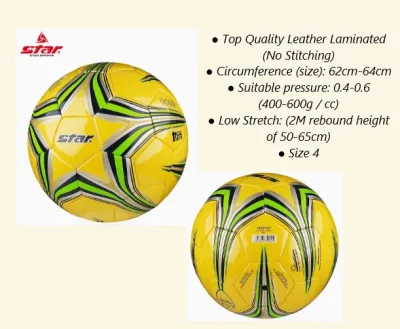
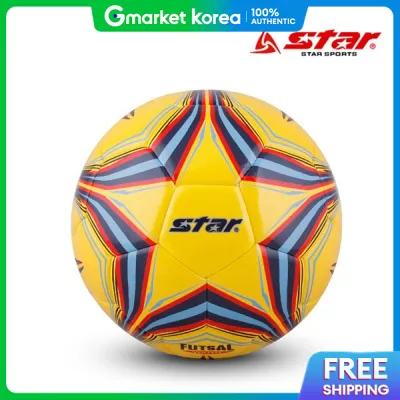
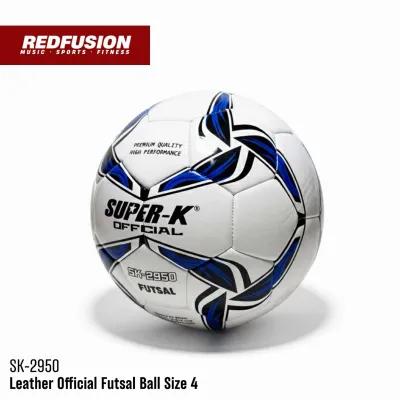
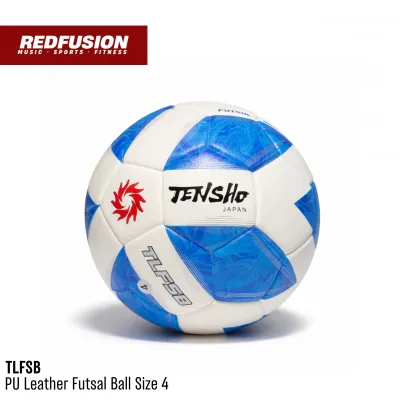
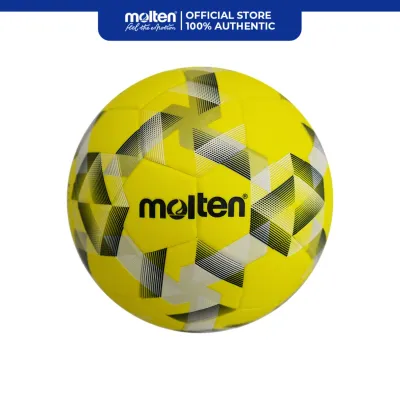
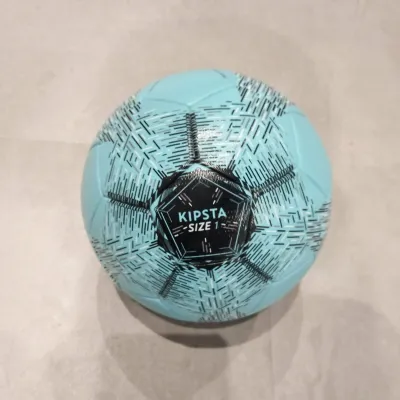
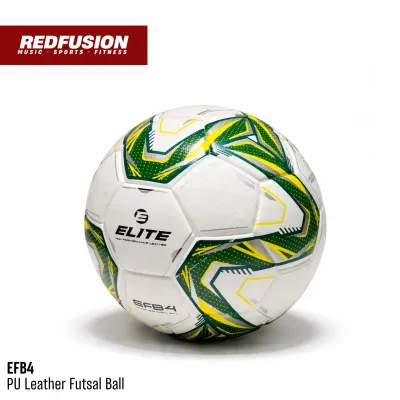
Prices are valid at publication and may change. Please refer to the product page for the latest price.
Durability is another major differentiator between genuine equipment and cheap replicas. Original futsal balls are constructed with high-grade polyurethane (PU) or advanced synthetic leather designed to withstand high friction and impact. Counterfeits often rely on low-grade PVC materials that quickly crack, peel, or lose shape, especially when exposed to the high humidity and warm temperatures typical of indoor sports venues in the Philippines.
Furthermore, the local market has seen a rise in misleading online listings and counterfeit goods across various e-commerce platforms and physical sports shops. Purchasing a fake ball might seem like a budget-friendly choice initially, but the rapid degradation of materials means you will likely have to replace the ball much sooner, resulting in a higher cost-per-use over time. Investing in an authentic ball ensures consistent training conditions and long-term value.
Visual and Physical Inspection Checklist
When inspecting a size 4 futsal ball, start with a close visual examination of the branding and graphics. Original manufacturers use high-precision printing technology, resulting in crisp, clear logos and text with sharp edges. On counterfeit balls, you will often notice blurry printing, misaligned colors, or logos that feel sticky and peel away easily when rubbed with a finger.

Next, evaluate the panel alignment and seam consistency. Authentic futsal balls are constructed using precise hand-stitching, high-tech hybrid stitching, or advanced thermal bonding. The seams on an original ball should be uniform, tight, and virtually seamless, with no visible threads or gaps. If you spot uneven panel shapes, exposed stitching, loose threads, or excess glue oozing from the seams, the ball is highly likely to be a counterfeit.
Finally, inspect the valve area, which is a common failure point on replica balls. The valve on a genuine futsal ball is perfectly centered within its panel, sits flush with the outer material, and is made of high-quality butyl rubber or latex to prevent air leakage. Counterfeit balls often feature off-center valves, rough or uneven edges around the valve opening, and poor air retention that requires constant reinflation.
Verifying Packaging, Labels, and Certifications
Original sports equipment always comes with professional packaging and detailed product tags. Check the box or product tag for specific details, including the exact size (Size 4), recommended inflation pressure (usually indicated in psi or bar near the valve), and material composition. Counterfeit products often feature generic packaging, spelling errors on the labels, or missing technical specifications.
Look for recognized quality, safety, or sports federation certification marks printed directly on the ball’s surface or packaging. Many high-quality futsal balls carry official approval stamps from international sports bodies, which guarantee that the ball has passed rigorous testing for weight, circumference, bounce, and water absorption. While counterfeits may attempt to copy these stamps, the print quality of the logos is often distorted, off-color, or placed in the wrong position relative to the official design.
Additionally, pay attention to any included accessories. Genuine futsal balls are typically sold individually or with specific, high-quality branded accessories as described by the manufacturer. If a listing bundles the ball with low-quality generic pumps, flimsy plastic inflation needles, or cheap net bags that are not mentioned on the official brand website, it is often a tactic used by unauthorized sellers to distract from a counterfeit product.
Assessing the Seller and Purchase Channel
To minimize the risk of buying a fake size 4 futsal ball, always prioritize authorized retailers, official brand stores, and reputable local sports equipment distributors. Established physical stores and verified online flagship malls offer the most reliable guarantee of authenticity, backed by official manufacturer warranties and clear return policies.
Be highly skeptical of online listings that feature prices significantly below the standard retail range in ₱. If a premium match ball that normally retails for thousands of pesos is listed for a few hundred pesos, it is almost certainly a counterfeit. Additionally, watch out for listings that rely solely on generic stock photos, lack detailed product descriptions, or use vague language to avoid confirming the product’s authenticity.
Take the time to analyze seller reviews and ratings, focusing specifically on feedback from verified buyers. Look for detailed reviews that mention the ball’s material quality, weight, bounce characteristics, and how well it retains air over time. A high volume of repetitive, generic five-star reviews with no substance can be a sign of manipulated ratings, while negative reviews complaining about rapid deflation or poor stitching are clear red flags.
Steps to Take If You Receive a Suspected Fake
If you suspect that the size 4 futsal ball you received is a counterfeit, the first step is to document the evidence immediately. Take a continuous, unedited video of the unboxing process if possible, and take clear, well-lit photos of the ball from multiple angles. Capture close-ups of the blurry printing, uneven stitching, misaligned valve, or any damaged packaging to support your claim.
Contact the seller or the e-commerce platform’s customer support team promptly to initiate a return and refund request. Do not click “Order Received” or confirm the transaction on online marketplaces, as this can release the payment to the seller and make it much harder to dispute the purchase. Present your documented photo and video evidence clearly to show how the item deviates from the official product standards.
Finally, report the misleading listing and the seller to the platform administrators. By flagging counterfeit listings, you help clean up the online marketplace and protect other sports enthusiasts in the local community from being misled by dishonest sellers. Reporting these items also encourages platforms to enforce stricter quality control measures on sports equipment.
Frequently Asked Questions (FAQ)
Can a fake futsal ball be used for casual practice?
While it is technically possible to use a replica ball for casual backyard play, it is not recommended for proper futsal training. Fake balls often have a high, unpredictable bounce similar to a standard football, which prevents you from developing the correct close-control footwork and low-passing skills required in futsal. Furthermore, the poor material quality means the ball can degrade rapidly under high heat and humidity, posing a risk of sudden tearing or popping during play. If the ball shows severe structural defects or fails to retain air, it should be returned immediately for safety reasons.
Do all original size 4 futsal balls have the same weight?
No, not all original size 4 futsal balls weigh exactly the same, as official sports regulations allow for a specific tolerance range. A standard size 4 futsal ball typically weighs between 400 and 440 grams, and different manufacturers may target different weights within this official limit depending on the ball’s design and intended use (such as training versus professional match play). Rather than relying on a single universal number, you should check the specific model’s official specification sheet or product tag to verify its correct weight and circumference.

Community discussion
Share your experience or ask a question. Comments are reviewed before publication.