
Finding a snorkeling mask that fits your face perfectly is the single most important step to ensure an enjoyable underwater experience. A mask that leaks constantly or pinches your nose can quickly ruin a morning of exploring vibrant coral reefs. Many beginners mistakenly believe that tightening the strap as much as possible will stop water from entering, but a watertight seal actually depends entirely on how well the mask’s silicone skirt matches the unique contours of your face.
Whether you are investing in a ₱1,500 snorkeling set for adult use or renting gear at a local beach, you must evaluate the mask’s shape, size, and seal before you ever step foot in the water. While a watertight mask is essential for comfort, remember that snorkeling equipment cannot replace proper water safety training, swimming ability, or situational judgment. Always check your gear on dry land and practice in shallow water before venturing into deeper areas. This guide will walk you through the practical steps to assess a mask’s fit, identify potential pressure points, and make the necessary adjustments for a leak-free swim.
Match Your Face Shape to the Mask Skirt Design
Human faces come in an infinite variety of shapes and sizes, meaning there is no single mask design that fits everyone. When selecting a snorkeling set for adult recreation, the first step is to identify your basic facial structure. People with narrow faces, high cheekbones, prominent nose bridges, or wider jawlines all require different skirt geometries to achieve a proper seal.
Products mentioned in this guide
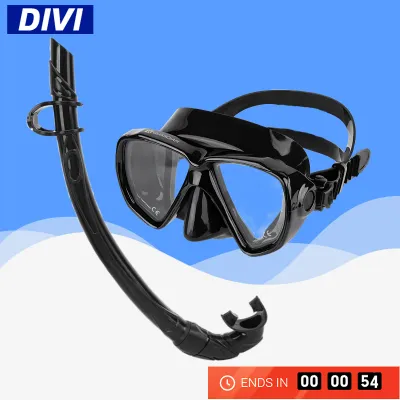
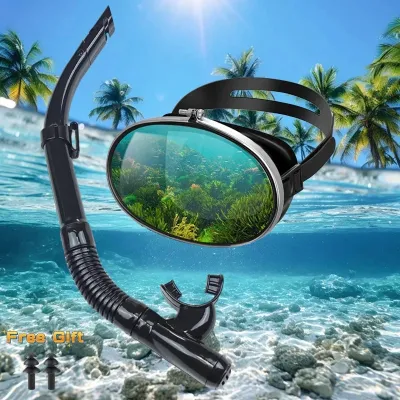
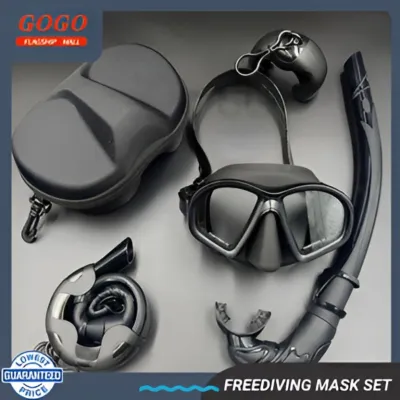
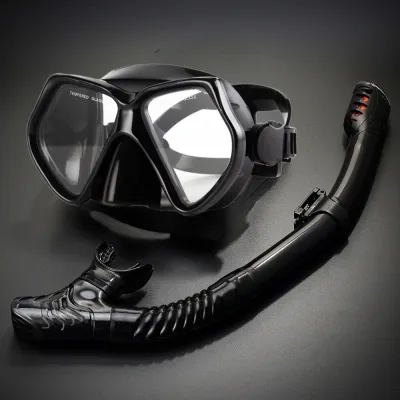
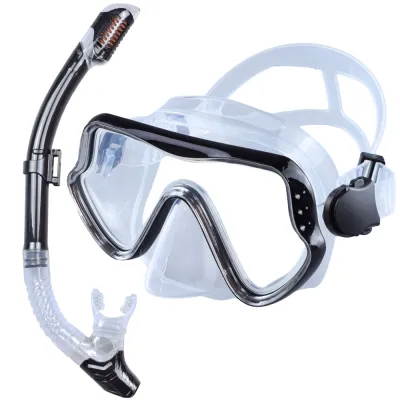
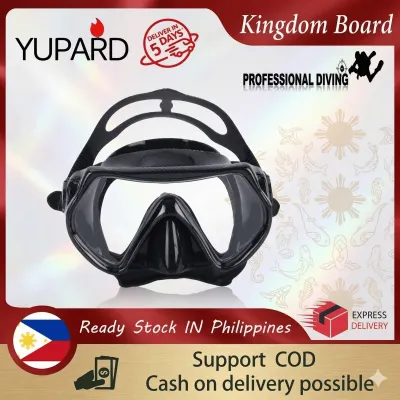
![[Ready Stock] Professional Diving Scuba Gear Swimming Mask Snorkel Diving Mask Goggles and Snorkel Set Hyperopia Myopia Mask Goggle](https://img.lazcdn.com/g/p/0f7e9edca68971f392421aa052bc34b2.jpg_400x400q80.jpg_.webp)
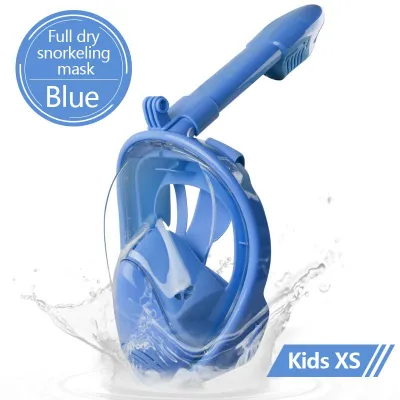
Prices are valid at publication and may change. Please refer to the product page for the latest price.
The skirt is the soft, flexible silicone border that directly contacts your skin. High-quality masks typically feature a double-feathered edge skirt, which provides two layers of defense against water intrusion. Gently press the silicone skirt with your fingers to check its flexibility. The material should feel supple and highly pliable; stiff or rigid silicone will struggle to conform to the subtle curves around your temples, cheeks, and upper lip.
Pay close attention to the nose pocket, as this is a common area for discomfort and leaks. The pocket must be large enough to accommodate your nose bridge without pressing against the bone, yet flexible enough to allow you to easily pinch your nostrils for equalization. If the nose pocket is too small, it will pull the entire mask downward, creating gaps along your forehead and causing painful pressure on the tip of your nose.
Perform a Dry Fit to Check the Initial Seal
Before you pull the strap over your head, you should perform a basic dry fit to evaluate how the mask naturally rests on your face. Hold the mask gently against your face without using the strap at all, letting the strap hang loose in front or over the sides. Look directly into a mirror or have a friend observe the contact line where the silicone skirt meets your skin.

The skirt must sit flat against your forehead, temples, cheeks, and just above your upper lip. Any hair, including stray bangs, eyebrows, or facial hair, must be cleared away from this contact zone. Even a single strand of hair acts as a tiny straw, allowing water to slowly seep into the mask under the pressure of the ocean. If you have long hair, pull it back into a ponytail or bun before testing the fit.
While holding the mask in place with very light finger pressure, feel along the entire perimeter of the skirt for any obvious gaps. Pay special attention to the hollows of your temples and the areas just below your cheekbones. If you can feel space between the silicone and your skin, or if the skirt puckers and folds inward, the mask is either too wide or too narrow for your facial structure.
Use the Inhalation Test to Verify the Vacuum
Once the mask is positioned correctly on your face without the strap, you can perform the classic inhalation test to verify if it can create a reliable vacuum. Look slightly upward, place the mask gently against your face, and inhale softly through your nose. This action should draw the mask skirt tightly against your skin, pulling it inward as the air pressure inside drops.
While holding your breath, remove your hands from the mask entirely. If the mask is the correct size and shape for your face, the suction created by your inhalation should hold it securely in place. It should not slip, slide, or fall off, even if you tilt your head slightly downward. This simple test mimics the natural pressure differential you will experience underwater, confirming that the skirt can maintain a watertight barrier.
If the mask drops immediately when you let go, or if you feel air rushing in around your eyes or temples during inhalation, the seal is compromised. This indicates that the mask’s frame is either too wide, causing gaps at the sides, or too narrow, preventing the skirt from making full contact with your temples. Do not attempt to compensate for a failed inhalation test by pulling the strap tighter later; a mask that cannot hold a basic vacuum on dry land will almost certainly leak once you enter the water.
Identify Signs of a Poor Fit and Pressure Points
A mask might pass the initial suction test but still prove incredibly uncomfortable after ten minutes of swimming. To avoid painful pressure points, you must identify how the mask’s hard frame interacts with your facial bones. Press the mask firmly against your face with your hands to simulate the water pressure you will experience at depth, and pay close attention to where you feel the most resistance.
Common trouble spots include the bridge of the nose, the forehead directly between your eyebrows, and the sensitive skin of your upper lip. If the hard plastic frame of the mask presses directly against your brow bone or nose bridge, it will quickly cause a dull headache or painful bruising during a long snorkeling session. The silicone skirt should act as a thick, protective cushion; if you can feel the rigid frame touching your face, the mask is too shallow for your profile.
Another clear sign of a poor fit is the need to overtighten the strap to prevent leaks. If you find yourself pulling the strap to its absolute limit just to keep water out, the mask is fundamentally the wrong shape for you. Overtightening actually distorts the flexible silicone skirt, causing it to fold over itself and create new pathways for water to enter. Furthermore, an improperly sized frame can restrict your field of view, making you feel claustrophobic.
Adjust Your Adult Snorkeling Set for a Better Seal
Once you have selected a mask that matches your facial structure, proper adjustment of your snorkeling set for adult use will ensure long-term comfort in the water. The most common mistake snorkelers make is wearing the strap too tight. The strap’s only job is to keep the mask from falling off your face, not to pull it tight enough to create a seal. The water pressure itself will push the mask gently against your face to maintain the vacuum.
To adjust the strap correctly, place the mask on your face and pull the strap over the back of your head. The strap should rest on the crown of your head, angled slightly upward at about a 45-degree angle from your ears. If the strap is positioned too low on the base of your neck, it will pull the mask downward, causing it to press painfully on your nose bridge and leak around your forehead.
Before heading out to the beach, ensure that the silicone skirt is completely clean and free of manufacturing residues, sand, or sunscreen oils. Wash the mask thoroughly with mild dish soap and warm water to remove these residues. When applying sunscreen or face lotion, try to avoid the immediate area where the mask skirt rests, as oily products can degrade the silicone over time and cause the mask to slide out of position.
Frequently Asked Questions (FAQ)
Can I get a good seal if I have a mustache or beard?
Facial hair is one of the most common obstacles to achieving a watertight seal, as even short stubble creates tiny gaps between the silicone skirt and your skin. If you have a mustache or beard, the hair will break the continuous contact line of the mask, allowing water to slowly seep in above your upper lip.
To manage this, you can trim the very top of your mustache down by a few millimeters to create a clean strip of bare skin just below your nose where the skirt sits. Alternatively, applying a small amount of food-grade silicone grease, petroleum jelly, or a heavy reef-safe lip balm to your mustache before snorkeling can help fill the microscopic gaps between the hairs, creating a temporary barrier that blocks water from entering.
Should the mask leave red marks on my face after use?
It is completely normal to have light, temporary skin impressions on your face immediately after removing your mask, especially after a long snorkeling session in warm, humid tropical waters. These marks are simply the result of mild pressure on the skin and should fade completely within fifteen to thirty minutes.
However, if the mask leaves deep, painful red welts, bruises, or causes a headache, it is a clear sign of a problem. This usually indicates that you have overtightened the head strap or that the mask frame is too small for your face. Try loosening the strap so that it is just snug enough to keep the mask in place, and if the painful marks persist, you should consider trying a different mask size or a model with a wider, softer silicone skirt.

Community discussion
Share your experience or ask a question. Comments are reviewed before publication.