
To tell if a Spalding volleyball is original or fake, you must closely inspect the valve construction, surface material, logo alignment, and retail packaging. Authentic balls feature a clean, recessed inflation valve, premium composite leather or high-grade rubber with uniform pebbling, perfectly aligned and durable printing, and high-quality packaging with crisp, scannable barcodes. Counterfeits, by contrast, often exhibit a strong chemical odor, misaligned panel graphics, protruding valves, and an asymmetrical shape when fully inflated.
In the Philippines, where volleyball is a highly popular sport played on indoor courts, outdoor concrete barangay spaces, and sandy beaches, the demand for quality gear is immense. This high demand makes the iconic brand a frequent target for counterfeiters. Purchasing a fake ball not only wastes your money but also compromises your playing experience, as counterfeit balls suffer from erratic flight paths, poor air retention, and slippery surfaces that make setting and spiking difficult.
The Rise of Counterfeit Sports Gear in the Philippines
The local market has seen a substantial influx of counterfeit sports equipment, driven largely by the massive popularity of ball sports across the archipelago. Because a genuine premium volleyball can represent a notable financial investment for casual players and school athletes, many look for budget-friendly options online. Counterfeiters exploit this by flooding digital spaces with cheap imitations that mimic the aesthetic of high-end models.
Products mentioned in this guide
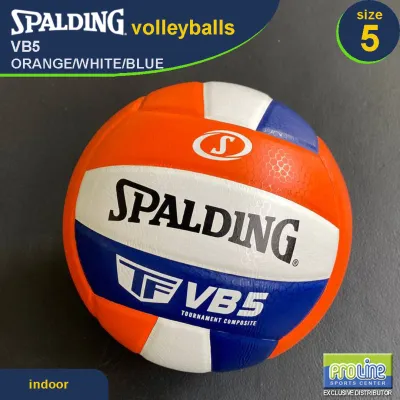
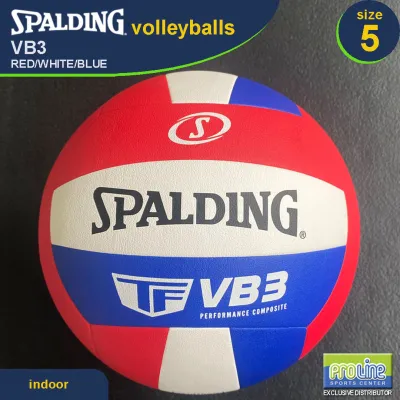
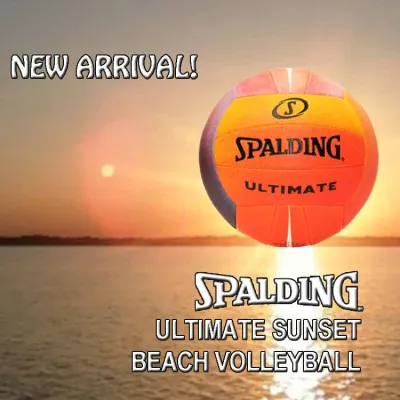
Prices are valid at publication and may change. Please refer to the product page for the latest price.
Unregulated online marketplaces, social media buy-and-sell groups, and informal physical retail stalls are the primary distribution channels for these fake goods. These sellers often use stolen official product images or highly edited photos to mask the true quality of the items they ship. Consequently, buyers frequently receive products that fail to perform and degrade rapidly under local playing conditions.
While the prevalence of counterfeit gear presents a challenge, local buyers are not helpless. By understanding the specific manufacturing standards of genuine equipment, you can protect your investment. Conducting a systematic physical inspection before purchasing or immediately upon unboxing is the most effective defense against being scammed.
Hallmarks of an Authentic Spalding Volleyball
Recognizing a genuine product requires familiarizing yourself with the strict manufacturing standards maintained by the brand. Genuine sports equipment undergoes rigorous quality control to ensure consistent performance, durability, and player safety.

Packaging and Tags
Original retail packaging is constructed from sturdy, high-quality cardboard designed to protect the ball during transit. The printing on the box is sharp, with correct brand colors, high-resolution graphics, and accurate product specifications. Authentic balls also feature official hangtags with correct model numbers, scannable barcodes, and, depending on the specific series, holographic security stickers that shift color when tilted under light.
Surface Texture and Material
Genuine indoor models utilize premium composite leather that feels soft, supple, and slightly padded to the touch. This material is designed to provide a reliable grip even when players’ hands become sweaty in hot, humid Philippine gymnasiums. Outdoor or utility models are constructed from durable synthetic leather or heavy-duty rubber. On both types, the surface pebbling or grain is uniform across all panels, and the colors are deep and vibrant without any faded or washed-out patches.
Logo and Print Quality
The branding, model names, and technical details on an original ball are applied using advanced, high-precision printing techniques. Every letter in the logo is crisp, perfectly aligned with the panel contours, and completely free of ink bleeds or smudges. The print is highly durable and integrated into the material, meaning it will not peel, crack, or scratch off easily when rubbed firmly with your thumb.
Valve and Construction
The inflation valve on an authentic ball is a critical point of quality. It is constructed from premium, self-sealing rubber that is clean, perfectly circular, and recessed slightly below or flush with the surrounding panel. The panel cutout around the valve is neat and perfectly centered. For stitched models, the seams are tight, uniform, and show no exposed thread ends; for laminated or composite models, the panel edges are flush and bonded seamlessly without any visible glue residue.
Red Flags: How to Spot a Fake Spalding Volleyball
Counterfeit manufacturers cut corners to keep production costs low, resulting in distinct physical flaws. By training your eye to spot these manufacturing shortcuts, you can quickly identify a fake ball.
Visual and Tactile Flaws
Fake balls often display colors that look slightly off, such as neon shades that do not match official product photos, or dull, faded tones. The surface material typically feels stiff, plastic-like, or excessively slippery, which severely affects ball control during play. Additionally, counterfeits often emit a strong, pungent chemical or cheap rubber smell due to the low-grade adhesives and synthetic compounds used in unauthorized factories.
Poor Construction
Close inspection of a counterfeit ball usually reveals uneven, asymmetrical panels and messy construction. The seams on stitched fakes are often loose, with visible thread loops or uneven stitch spacing that can split under high-impact plays. The inflation valve is a common giveaway; it may protrude awkwardly from the surface, have jagged, poorly cut edges, or sit crookedly, leading to slow air leaks.
Suspicious Packaging
Counterfeiters rarely invest in robust packaging. Fake balls are frequently shipped in flimsy, generic plastic bags or thin, unbranded cardboard boxes that arrive crushed. If there is a box, look closely at the text. Fakes often feature blurry, pixelated printing, spelling mistakes, or grammatical errors in the product descriptions. Barcodes on counterfeit packaging are often low-resolution photocopies that fail to register on standard scanning applications.
Step-by-Step Verification Checklist Before You Buy
To ensure you are purchasing a genuine product, follow this logical verification routine when evaluating an online listing or inspecting a newly delivered ball.
- Verify the Online Listing: Scrutinize the seller's product photos. Avoid listings that rely exclusively on stock images or contain watermarks from other online shops. Look for listings that display real, close-up photos of the physical ball, particularly the valve area and the panel seams.
- Perform an Unboxing Inspection: Record a continuous video while opening your package. Before inflating, inspect the deflated ball's surface material, check for any strong chemical odors, and examine the neatness of the valve cutout.
- Conduct an Inflation and Shape Test: Lubricate a standard inflation needle before inserting it to protect the valve. Slowly inflate the ball to the recommended PSI printed near the valve. Once fully inflated, spin the ball on your finger or place it on a flat surface to check its symmetry. If the ball displays visible bulges, flat spots, or an oval shape, stop using it immediately, as an asymmetrical ball can cause wrist strain and unpredictable deflections during play.
- Execute a Bounce and Grip Test: Drop the fully inflated ball from shoulder height onto a hard court surface. An original ball will bounce straight upward with a predictable, lively rebound. A counterfeit ball often feels heavy, bounces at an odd angle due to uneven internal weight distribution, or feels excessively slippery when exposed to minor hand moisture.
No single physical test guarantees absolute authenticity. A high-quality counterfeit might occasionally pass a basic bounce test but fail rapidly under regular play. Always combine physical inspections with a careful evaluation of the purchasing channel and seller credibility.
Safe Purchasing Channels in the Philippines
The most reliable way to avoid counterfeit sports gear is to buy exclusively from established, authorized retail channels. Purchasing from verified sources ensures that you receive a genuine product backed by official customer support.
When shopping in person, visit authorized physical sporting goods stores located in major shopping malls. These retailers source their inventory directly from official distributors, guaranteeing authenticity. If you prefer shopping online, utilize the official brand websites or verified flagship stores on major e-commerce platforms.
On online marketplaces, look for specific trust indicators such as “Mall,” “Official,” or “Preferred” badges. Always check the seller’s overall rating, aiming for stores with a rating of 4.8 stars or higher, and read through historical customer reviews. Pay close attention to reviews that include photos and videos of the actual product received by other buyers.
Be highly skeptical of listings with prices that seem too good to be true. Original Spalding composite leather volleyballs generally retail within the ₱1,500 to ₱4,000 price range, depending on the specific model and series. If an online listing offers a premium indoor match ball for ₱300 to ₱500, it is almost certainly a counterfeit product made with inferior materials.
Before completing your purchase, always verify the seller’s return policy and authenticity guarantees. Reputable sellers will clearly state their return procedures and offer hassle-free refunds if a product is proven to be counterfeit.
What to Do If You Receive a Counterfeit
If you complete an online purchase and suspect the ball you received is a counterfeit, you must act quickly to secure a refund. Do not click “Order Received” or confirm the delivery on your e-commerce application, as doing so typically releases the payment to the seller and complicates the dispute process.
Document your findings immediately by taking clear, well-lit photos and videos. Capture close-up shots of the specific defects, such as a protruding valve, misaligned printing, messy glue lines, or flimsy packaging. Keep the shipping label and the original packaging intact, as these serve as vital evidence for your claim.
Submit a formal return or refund request through the e-commerce platform’s official dispute channel. Select “counterfeit item” or “item not as described” as the primary reason for your return. Upload your unboxing video and detailed photos to support your claim clearly and factually.
Avoid confronting the seller aggressively or engaging in arguments. Keep all communications polite, professional, and strictly within the platform’s official chat system. This ensures that customer service representatives can easily review the conversation history when mediating your dispute.
Frequently Asked Questions (FAQ)
Can I verify a Spalding volleyball using a barcode scanner app?
While a barcode scanner app can retrieve product information from an online database, it is not a foolproof method for verifying authenticity. Counterfeiters frequently copy legitimate barcodes from genuine packaging and print them onto fake boxes. Therefore, a successful barcode scan must always be combined with a thorough physical inspection of the ball’s materials and construction.
Do all authentic Spalding volleyballs come with a warranty card?
Warranty documentation and inclusions vary significantly depending on the specific model, product series, and regional distributor. A physical warranty card is not a universal marker of authenticity. Instead of relying solely on the presence of a card, focus on verifying the purchasing channel and checking the physical hallmarks of the ball.
Is a slightly deflated Spalding volleyball out of the box a sign of a fake?
Receiving a partially or fully deflated volleyball out of the box is completely normal and is not an indication of a counterfeit. Manufacturers and distributors often ship balls deflated to protect the internal bladder and outer panels from structural stress and temperature-induced pressure changes during transit. As long as the ball inflates properly to its recommended PSI, retains its shape, and does not leak air, it is perfectly fine to use.

Community discussion
Share your experience or ask a question. Comments are reviewed before publication.