
Verifying the authenticity of a Victor badminton racket requires a systematic check of physical build quality, packaging details, and security features. Because counterfeit manufacturing techniques constantly evolve, relying on a single visual cue is rarely enough. This guide outlines the critical inspection points and safe purchasing practices to help you confidently confirm whether a racket is genuine before you play.
Badminton is incredibly popular in the Philippines, with players packing local courts daily. The high demand for quality gear has unfortunately made the market a target for counterfeiters. Spotting a fake racket before you purchase is essential for protecting both your budget and your physical safety.
Why Buying Fake Badminton Rackets Is a Risk
Using a counterfeit racket poses significant risks that go far beyond a disappointing game. Genuine rackets are engineered to withstand immense tension and rapid, high-velocity impacts. When a manufacturer produces a counterfeit, they use inferior materials and substandard construction methods that compromise the structural integrity of the frame and shaft. During a high-tension smash, a fake racket is highly susceptible to sudden structural failure, such as the shaft snapping or the frame collapsing. This can send sharp carbon fiber shards flying toward you or your playing partners, leading to severe injuries.
Products mentioned in this guide
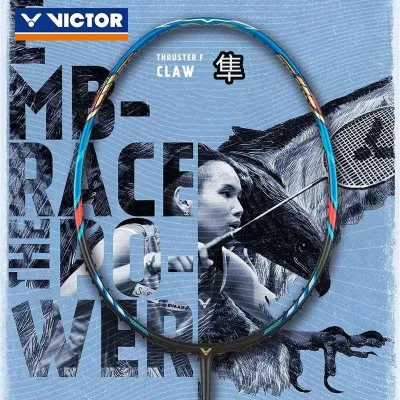
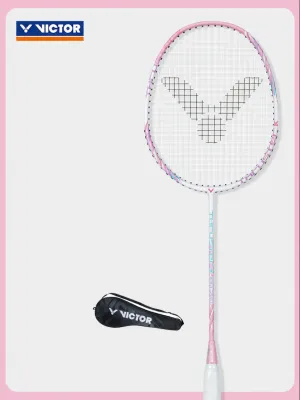
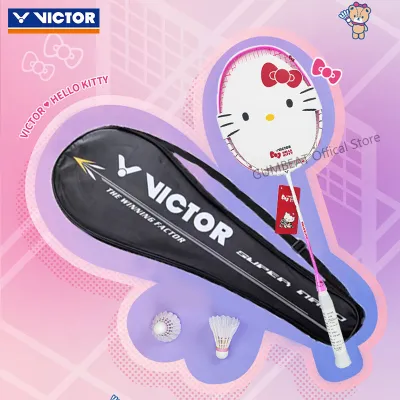
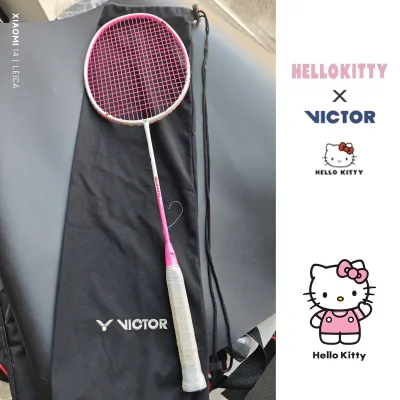
Prices are valid at publication and may change. Please refer to the product page for the latest price.
Performance discrepancies are another major drawback of counterfeit gear. Original rackets undergo strict quality control to ensure precise weight distribution, accurate balance points, and consistent shaft flex. Counterfeits often feel clumsy, excessively heavy, or unpredictably stiff. These imbalances force your muscles and joints to overcompensate during swings, which can quickly lead to repetitive strain injuries like tennis elbow or shoulder tendinitis.
Furthermore, buying a counterfeit means you forfeit all consumer protections. Genuine manufacturers offer warranties and after-sales support to address legitimate manufacturing defects. If a fake racket breaks on its first day of use, you have no recourse, no warranty coverage, and no way to claim a replacement, resulting in a complete loss of your investment.
Physical Markers to Inspect on the Racket
A close physical inspection is one of the most reliable ways to separate an original Victor racket from a counterfeit. Counterfeiters often struggle to replicate the high-precision manufacturing standards maintained by authorized factories. By systematically examining the racket from the butt cap to the frame, you can spot the subtle imperfections that expose a fake.

Butt Cap and Cone
Start your inspection at the very bottom of the racket. The butt cap of an original racket features a crisp, cleanly molded logo with sharp edges and precise alignment. The plastic should feel solid and fit flush against the wooden handle without any gaps. On counterfeit rackets, the logo print is often blurry, the plastic color may appear slightly off-color, and you might notice visible glue residue seeping from the edges. Move up to the cone—the plastic piece just above the handle. The cone on a genuine racket is perfectly aligned with the shaft, whereas a fake often has a crooked fit or rough, unfinished plastic edges.
Grommets and String Holes
The grommets—the small plastic eyelets that protect the strings from the frame—are a common giveaway. Genuine rackets feature uniform, high-quality grommets that fit flush inside the string holes. They are designed to handle high stringing tensions without warping or cutting into the string. Inspect the grommets closely for any sharp plastic burrs, uneven spacing, or loose fits. Counterfeit rackets frequently use cheap, brittle plastic grommets that may look deformed, sit unevenly, or show rough edges from poor molding processes.
Paint and Decals
Original rackets are finished with premium paint and precisely applied decals that can withstand the friction of regular play. Examine the paint job under bright, direct light. The colors on a genuine racket should transition smoothly, and the decals must be perfectly aligned with no pixelation, bleeding, or bubbles. Counterfeit rackets often exhibit sloppy paint lines, overspray, or decals that are visibly crooked. In the humid tropical climate of the Philippines, poor-quality paint on fake rackets may also feel sticky or begin to peel prematurely.
Shaft and Frame
Run your fingers along the shaft and frame to assess the overall build quality. A genuine racket has a perfectly smooth, seamless surface with no rough sanding marks or structural irregularities. If you balance the racket on your finger at its designated balance point, it should sit steadily without tilting awkwardly to one side, indicating balanced weight distribution. Counterfeits often have uneven walls inside the carbon fiber tubing, leading to noticeable weight imbalances and a rough, uneven texture under the paint.
Packaging and Serial Number Verification
Beyond the physical racket itself, the packaging and official security features provide vital clues about authenticity. Manufacturers invest heavily in secure packaging and tracking systems to protect their brand integrity.
Box Quality
If you are purchasing a brand-new racket that comes with its original packaging, evaluate the box and carrying bag carefully. Genuine packaging features high-resolution printing, sturdy cardboard construction, and correct branding typography. The logos should match the official brand guidelines exactly, with no spelling mistakes or font variations. If the racket comes with a velvet or cloth bag, check the stitching and fabric quality. Original bags have neat, tight seams and a premium feel, while counterfeit bags often use thin, easily frayed materials with sloppy stitching.
Security Labels
Look for official security labels, such as holographic stickers or anti-counterfeit tags, on the shaft or cone. These labels are designed to be difficult to replicate, often featuring shifting colors or hidden patterns when tilted under light. Because security label formats and anti-counterfeit technologies are updated periodically, it is important to verify what the current production year’s labels should look like. Be skeptical of stickers that look dull, lack holographic depth, or peel off too easily.
Serial Number Checks
The serial number is one of the most critical verification points. On an original Victor racket, the serial number is cleanly laser-engraved into the surface of the shaft or the cone. You should be able to feel the slight indentation of the engraving when you run your fingernail over it. Counterfeit rackets often have serial numbers that are simply printed or painted onto the surface, which will feel completely flat. Once you locate the serial number, cross-reference it through the brand’s official verification channels or regional website to confirm it matches a valid production record.
Where to Buy Authentic Victor Rackets in the Philippines
The most effective way to avoid counterfeits is to control where you buy your gear. Choosing reliable purchasing channels significantly reduces the risk of ending up with a fake racket.
Prioritize authorized physical dealers, official brand stores, and reputable sports retailers located in major malls. These establishments have direct partnerships with official distributors, ensuring that every product on their shelves is genuine. Shopping in person also allows you to physically inspect the racket using the steps outlined above before making a payment.
If you prefer to shop on online marketplaces, navigate them with caution. Look for sellers with official store badges, high positive ratings, and a long history of successful transactions. Read through customer reviews carefully, paying close attention to reviews that include detailed photo or video proof of the racket’s physical details. Avoid listings that rely solely on stock images and refuse to provide actual photos of the product.
Be highly vigilant against common red flags. If a listing advertises a premium racket at a price in ₱ that is significantly below the standard market average, it is almost certainly a counterfeit. Genuine high-end rackets maintain a consistent market value due to manufacturing costs and import duties. Additionally, if a seller refuses to provide clear, close-up photos of the serial number or the butt cap upon request, treat it as a major warning sign and look elsewhere.
What to Do If You Suspect a Counterfeit
If you have already purchased a racket and suspect it is a counterfeit, you must act quickly to protect your money and help keep the local playing community safe.
First, document the evidence thoroughly. Take clear, well-lit, high-resolution photos of the physical flaws, packaging discrepancies, and the serial number. If possible, take side-by-side comparison photos with a known genuine racket. This documentation will serve as crucial evidence for any dispute you raise.
Next, initiate a return or refund process immediately. If you purchased the racket through an online marketplace, use the platform’s official buyer protection program to file a dispute. Do not confirm receipt of the item or close the dispute until the platform has resolved the issue. If you paid using a credit card or a digital payment provider, you can also contact them to inquire about chargeback options for counterfeit goods.
Finally, report the seller to the platform administrators. Provide your documented evidence to help the platform take down the fraudulent listing and take action against the seller’s account. Sharing your experience in local badminton community groups or forums can also warn fellow players in the Philippines to avoid that specific seller.
Frequently Asked Questions (FAQ)
Can a fake Victor racket have a valid-looking serial number?
Yes, counterfeiters frequently clone valid serial numbers from genuine rackets and engrave them onto multiple fake rackets. This means a serial number that appears valid on an official database is not a guarantee of authenticity on its own. You must combine the serial number check with a thorough physical inspection of the engraving quality, paint finish, and overall build of the racket.
Does the absence of a hologram sticker always mean the racket is fake?
Not necessarily. Security label formats, placements, and anti-counterfeit technologies can vary depending on the production year, the specific model, and the target regional market. Some older models or rackets distributed in different regions may not feature the exact same holographic stickers as newer releases. Always check the brand’s official regional guidelines or consult an authorized distributor to verify the specific security features expected for your racket’s production batch.

Community discussion
Share your experience or ask a question. Comments are reviewed before publication.