
Buying a high-quality volleyball is an investment in your game, whether you are training for a local tournament or enjoying a weekend match on a neighborhood court. However, the market is flooded with counterfeit balls that mimic the appearance of premium brands but fail to deliver the same performance. To tell if a volleyball is original, you must perform a multi-step verification that covers physical construction, branding details, and digital authentication. Genuine volleyballs feature perfectly aligned panels, a secure and flush air valve, precise weight distribution, and high-quality composite leather or rubber that handles moisture well. Counterfeits often reveal themselves through misaligned panels, chemical smells, uneven weight, and duplicated QR codes on the packaging.
The Hidden Costs of Counterfeit Volleyballs
In the Philippines, where volleyball is highly popular on both indoor wooden courts and outdoor concrete barangay courts, durability is essential. A counterfeit ball made of cheap PVC or low-grade rubber will degrade rapidly under intense heat and high humidity. The panels may peel off as the low-quality adhesive melts under the tropical sun, rendering the ball useless within weeks.
Furthermore, the hard, unforgiving surface of a fake ball can cause severe arm bruising, wrist pain, and joint strain during repetitive digs and spikes. The erratic flight path and unpredictable bounce also disrupt training sessions, making it difficult to develop consistent setting or serving techniques. Investing in an original ball ensures safety, consistent performance, and long-term value.
Products mentioned in this guide
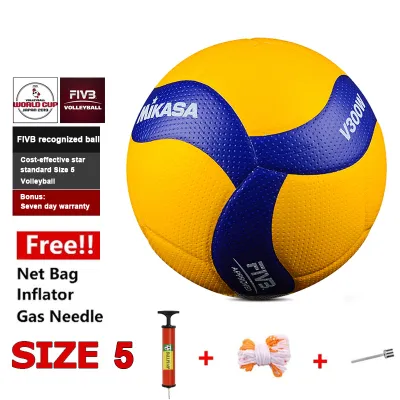
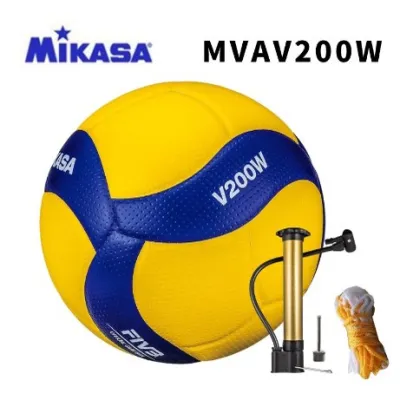
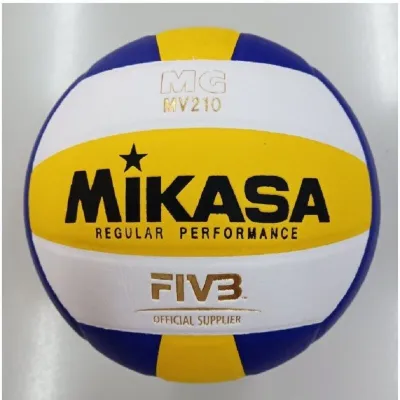
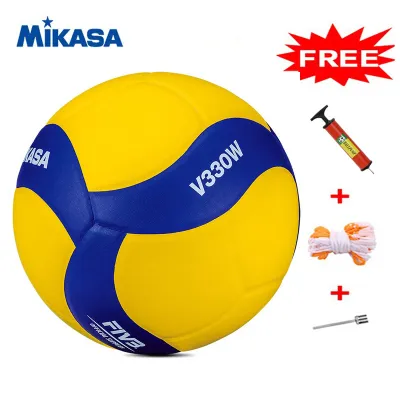
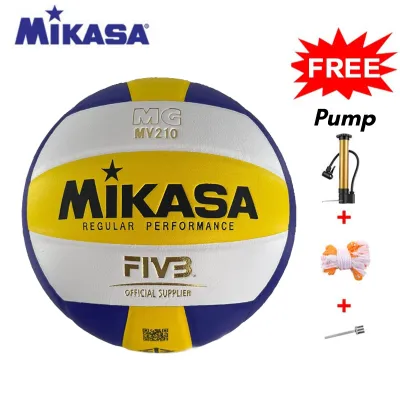
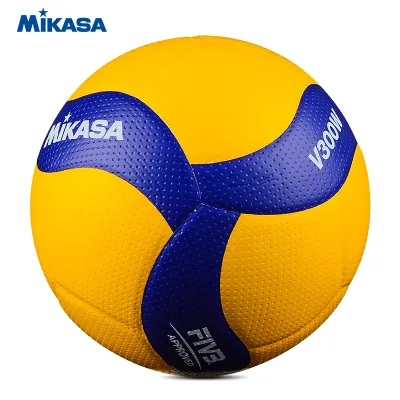
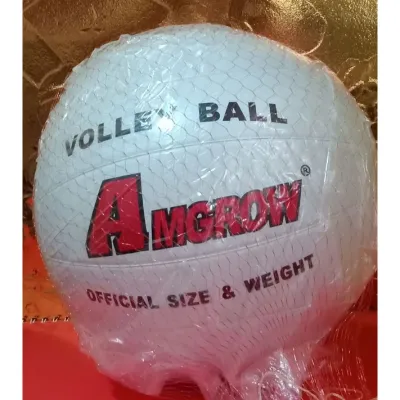
Prices are valid at publication and may change. Please refer to the product page for the latest price.
Physical Inspection: Feeling and Examining the Ball
Surface Texture and Panels
Authentic indoor volleyballs are typically made of premium synthetic composite leather with a distinct, uniform pebbled texture that enhances grip. Examine the panels closely. On an original ball, the panels are perfectly aligned, and the seams are flush, clean, and free of excess glue. Counterfeits often show visible adhesive residue along the seams, uneven panel gaps, or a slick, shiny plastic texture that becomes incredibly slippery when exposed to sweat.

Weight and Balance
An authentic regulation volleyball has a standardized weight, typically between 260 and 280 grams. If you do not have a scale, you can test the balance of the ball. Spin the ball on your finger or toss it straight up with a high spin. An original ball will spin smoothly without wobbling. A counterfeit ball often has uneven internal bladder thickness, causing it to wobble or drift to one side during flight.
Valve and Air Retention
The valve of an original ball is a critical point of quality control. It should be perfectly centered, flush with the surface, and made of high-grade, soft rubber that seals tightly. Counterfeit valves are often misaligned, recessed too deeply, or have rough, jagged edges. If a ball loses noticeable pressure within a day or two of inflation, the valve or bladder is likely defective or counterfeit.
Sound and Bounce
Drop the inflated ball from shoulder height onto a hard, flat concrete or wooden floor. An original ball produces a clean, solid, and relatively quiet sound upon impact and bounces straight back up to a consistent height. A fake ball often produces a hollow, high-pitched metallic sound due to cheap bladder materials and thin walls, and its bounce may be erratic or significantly lower than expected.
Packaging, Labels, and Branding Red Flags
Logo and Print Quality
Manufacturers of genuine sports equipment use high-precision printing processes. The logos, brand names, and model numbers on an original ball are sharp, perfectly aligned, and resistant to rubbing. On a fake ball, you might notice blurred edges, slight misspellings, misaligned letters, or ink that easily smudges or fades when rubbed with a damp finger.
Tags and Barcodes
Authentic balls come with high-quality hangtags or packaging labels that display the exact model number, inflation pressure recommendations, and scannable barcodes. Verify that the model number printed on the tag matches the model printed on the ball itself. Counterfeiters often reuse the same generic tag across different models or print low-resolution barcodes that fail to scan.
Box and Bag Condition
Premium volleyballs are usually shipped in sturdy, branded cardboard boxes or high-quality protective plastic bags with clear, professional printing. If your ball arrives in a flimsy, unbranded cardboard box, a poorly sealed plastic bag with no branding, or lacks basic inflation instructions and a needle, it is highly likely to be a counterfeit.
Verifying Authenticity Through Official Channels
Many leading sports brands now include security features directly on the product or its packaging. Look for holographic stickers, scratch-off panels revealing unique security codes, or QR codes. You can use your smartphone to scan these codes, which should direct you to the manufacturer’s official verification website.
However, sophisticated counterfeiters sometimes copy a genuine QR code and print it on thousands of fake packages. To counter this, official verification systems track how many times a specific code has been scanned. If the website alerts you that the code has already been scanned dozens of times, or if it displays a warning prompt, you are holding a counterfeit product.
If the ball does not have a digital verification tag, or if the online system is inconclusive, you can take clear, well-lit photos of the ball’s valve, logos, seams, and packaging, and email them to the manufacturer’s official customer support team. They can often confirm authenticity based on production batch codes and physical details.
Safe Purchasing Channels for an Original Ball for Volleyball
To minimize the risk of buying a fake, always prioritize purchasing from official brand stores, authorized physical sporting goods retailers, or verified flagship stores on major e-commerce platforms. Look for official seller badges or verification marks on these platforms.
When dealing with third-party sellers, perform due diligence. Check the store’s overall rating, read customer reviews specifically looking for those that include real photos of the delivered product, and verify their return policy. Be wary of reviews that sound overly generic or repetitive.
Price is one of the most reliable indicators of authenticity. While seasonal sales and promotions occur, a premium competition-grade volleyball that typically retails for around ₱3,000 to ₱4,500 will not be sold brand new for ₱500. If a deal seems too good to be true, it is almost certainly a counterfeit.
Steps to Take If You Receive a Suspected Fake
If you suspect you have received a counterfeit ball, act quickly. Document the unboxing process by taking a continuous video or clear, well-lit photos of the packaging, shipping labels, and the physical flaws of the ball. This evidence is crucial for filing a dispute.
Initiate a return or refund request immediately through the e-commerce platform’s buyer protection program. Do not confirm receipt of the order or leave a review until the dispute is resolved, as doing so can close your window for a refund.
Finally, report the fraudulent listing and the seller to the platform’s customer support. Providing your evidence helps protect other players in the community from falling victim to the same scam.
Frequently Asked Questions (FAQ)
Can a fake volleyball be used for casual backyard play?
While a counterfeit ball might seem acceptable for low-impact, casual backyard games, it still carries risks. The hard, uneven surface can cause arm discomfort or bruising, and the unpredictable bounce makes even casual rallies frustrating. If no other option is available, it can be used for very light recreational play, but it is entirely unsuitable for proper training, skill development, or competitive matches.
Do all original volleyballs come with a warranty?
Most original, high-quality volleyballs come with a manufacturer’s warranty that covers specific manufacturing defects, such as bladder leaks or premature seam splitting, rather than normal wear and tear. However, to claim this warranty, you must provide a valid proof of purchase from an authorized dealer. Counterfeit balls do not come with any warranty, and manufacturers will not honor claims for products purchased from unauthorized third-party sellers.

Community discussion
Share your experience or ask a question. Comments are reviewed before publication.