
Identifying an original volleyball requires a systematic inspection of its visual details, physical behavior, and official manufacturer markings. Because counterfeit sports equipment has become increasingly sophisticated, relying on a single check is rarely enough to guarantee authenticity. By combining a close visual scan of the panel seams with tactile tests of the ball’s weight and air retention, you can quickly determine whether a ball is a genuine, high-quality product or a cheap imitation.
Why Authenticity Matters: The Risks of Fake Volleyballs
Playing with a counterfeit volleyball does more than just hurt your wallet; it actively hinders your development on the court. Genuine volleyballs are engineered with precise weight distribution and aerodynamic properties to ensure a predictable trajectory. When you practice with a fake ball, its inconsistent weight and erratic bounce can disrupt your muscle memory, making it difficult to set, spike, or serve accurately.
Material quality is another major concern, especially in hot and humid tropical climates like the Philippines. Counterfeit balls often use cheap synthetic covers and low-grade adhesives that quickly degrade when exposed to sweat and heat. This can lead to rapid panel separation, a slick surface that ruins your grip, or even skin irritation from unverified chemical treatments on the outer cover.
Products mentioned in this guide
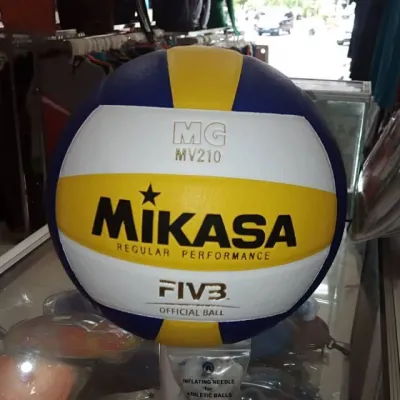
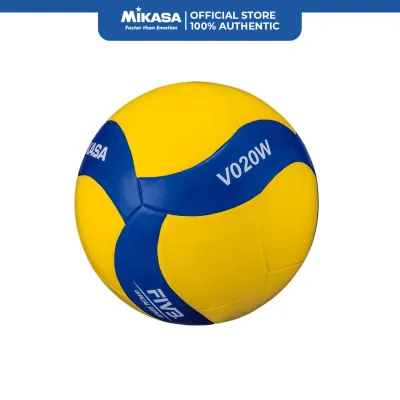
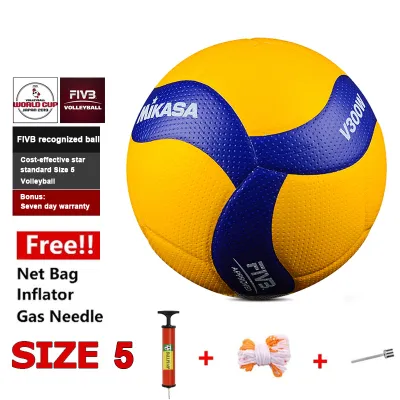
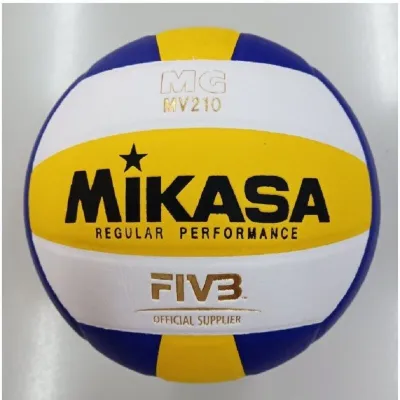
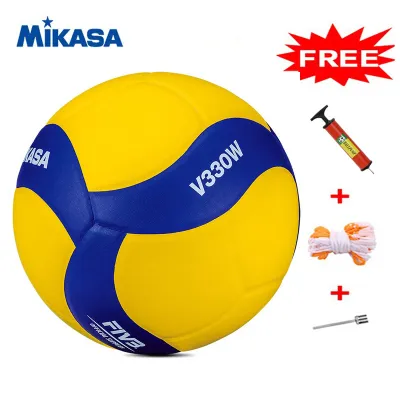
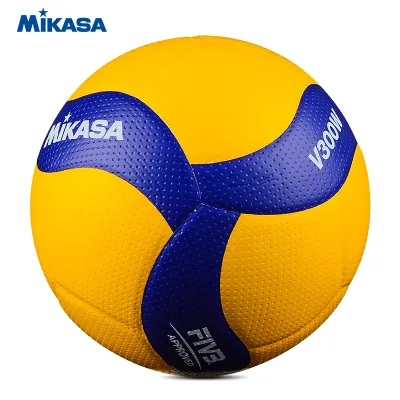
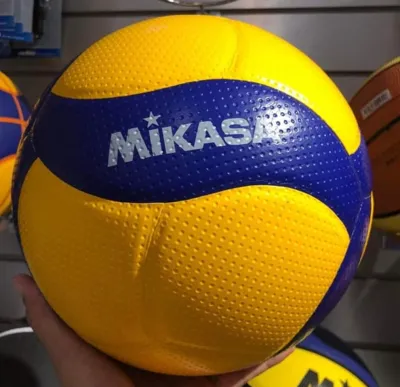
Prices are valid at publication and may change. Please refer to the product page for the latest price.
Furthermore, fake volleyballs do not adhere to the strict size, weight, and pressure standards set by international governing bodies. Using a ball that is too heavy or has uneven tension can strain your wrists and shoulders during high-velocity impacts. Investing in an original ball ensures you are training with gear that meets official safety and performance specifications.
Visual Checks: Inspecting Packaging, Logos, and Seams
Your first line of defense is a thorough visual inspection of the ball’s exterior and its packaging. Authentic manufacturers maintain exceptionally high printing standards, resulting in sharp logos, vibrant colors, and perfectly aligned text. Counterfeit balls often feature slightly blurry fonts, off-center brand logos, or subtle spelling errors on the warning labels and inflation instructions.

Next, examine the construction of the panels. For laminated (glued) volleyballs, the seams between the panels should be perfectly flush, uniform, and free of any visible glue residue. For stitched balls, look for tight, even thread tension without any loose ends or frayed edges. Fakes frequently show messy adhesive lines, uneven gaps between panels, or irregular stitching patterns that compromise the ball’s roundness.
Do not overlook the packaging and labeling. Genuine volleyballs typically arrive in branded boxes or protective wraps featuring clear barcodes, batch numbers, and country-of-origin labels. Compare these details with the manufacturer’s official packaging designs, keeping an eye out for low-quality cardboard, missing holographic elements, or generic plastic wrapping that lacks official branding.
Tactile Tests: Evaluating Material, Weight, and Air Retention
Once you handle the ball, its physical properties will often reveal its true quality. Authentic volleyballs use premium synthetic leather or composite materials designed to offer a soft touch, excellent grip, and reliable moisture absorption during intense matches. A counterfeit ball often feels stiff, plasticky, or excessively slippery, especially when your hands begin to sweat.
Air retention and structural integrity are critical indicators of authenticity. Inflate the ball to its recommended pressure range, which is typically printed near the valve. An original ball should maintain its shape and pressure over several days without noticeable leakage. If you notice abnormal bulging, an oval shape, or rapid deflation within a few hours, the ball likely features a low-grade bladder or a faulty valve common in counterfeits.
You should also verify the ball’s weight and balance. While you might not have a scale on the court, an authentic ball will feel balanced when spun or tossed. Fakes often have uneven weight distribution due to poorly constructed internal bladders, causing the ball to wobble unpredictably in the air. If possible, weigh the ball on a digital scale and compare the reading to the official specifications listed on the brand’s website.
Official Verification: Using Brand Tools and Serial Numbers
Many leading sports brands now integrate digital security features directly into their products to combat counterfeiting. Look for a unique QR code, a scratch-off security label, or a holographic sticker on the ball or its packaging. Scanning these codes with your smartphone should direct you to the brand’s official verification portal, confirming the product’s authenticity.
Be sure to inspect the serial numbers and batch codes printed near the inflation valve. Authentic manufacturers track their production runs, meaning these numbers should match the codes on the packaging. You can often verify these serial numbers by entering them directly into the customer support or authentication section of the manufacturer’s official website.
Be cautious when using third-party authentication apps or general QR scanners. Some counterfeiters set up fake verification websites that mimic official brand pages to trick buyers. Always double-check the URL in your browser’s address bar to ensure it belongs to the brand’s official domain rather than a closely spelled imitation site.
Where to Buy: Identifying Trustworthy Retailers and Online Sellers
The most reliable way to avoid counterfeit gear is to purchase from authorized sources. Prioritize official brand flagship stores, established sporting goods retailers, and reputable physical department stores. These sellers source their inventory directly from authorized distributors, ensuring you receive a genuine product backed by a manufacturer warranty.
If you prefer shopping on online marketplaces, take time to evaluate third-party sellers carefully. Look for stores with high positive ratings, a long history of operation, and a substantial number of detailed customer reviews. Avoid sellers that rely solely on stock photos, have vague product descriptions, or lack a clear, customer-friendly return policy.
Price is often the most telling indicator of a counterfeit product. If a volleyball is listed at a price significantly below the standard retail range in ₱—such as a premium match ball offered for a fraction of its usual cost—it is highly likely to be a fake. Authentic sports gear requires high-quality materials and precise manufacturing, meaning genuine products are rarely sold at extreme discounts.
What to Do If You Suspect You Bought a Fake
If you suspect you have received a counterfeit volleyball, act quickly to protect your purchase. Start by documenting all visual and tactile discrepancies. Take clear, well-lit photos and videos of the messy seams, misaligned logos, faulty valves, or any failed verification screens, comparing them to images of the authentic product.
Next, initiate a return or refund request through the online marketplace’s buyer protection program. Most major e-commerce platforms have strict policies against the sale of counterfeit goods and will hold the seller’s funds while investigating your claim. Provide your documented photo and video evidence clearly to support your request.
Finally, report the suspicious listing to the platform’s customer support team to help prevent other players from purchasing fake gear. You can also contact the brand’s official anti-counterfeiting division. Sharing details about the seller and the product helps manufacturers track down counterfeit networks and maintain the integrity of the sport.
Frequently Asked Questions (FAQ)
Can a fake volleyball be used for casual backyard play?
While you can technically use a counterfeit ball for low-intensity backyard games, it is generally not recommended. Fake volleyballs suffer from rapid deflation, unpredictable bounces, and poor structural integrity, meaning they may split open or lose their shape after only a few sessions. Additionally, the hard, stiff materials used in fakes can cause discomfort or minor bruising on your forearms, taking the fun out of a casual game.
Do all authentic volleyballs come with a holographic authenticity sticker?
No, the presence of a holographic sticker is not a universal requirement for all genuine volleyballs. Security features, tags, and packaging designs vary widely depending on the brand, the specific model, and the year of production. Instead of relying on a single visual marker, always consult the brand’s current official guidelines and verify the ball using multiple visual, tactile, and serial number checks.

Community discussion
Share your experience or ask a question. Comments are reviewed before publication.