
Identifying an original volleyball ball in a market flooded with cheap replicas requires a keen eye and attention to detail. Whether you are preparing for an intense indoor tournament or a casual beach game, the quality of your equipment directly impacts your performance and safety. Counterfeit balls often mimic the appearance of premium brands, but they fail to deliver the same aerodynamic stability, soft touch, and long-term durability. To verify authenticity, you must examine the ball’s physical construction, scrutinize its packaging and accessories, and utilize digital verification tools provided by authorized manufacturers.
Identifying a genuine product involves looking beyond the surface-level graphics. Authentic sports brands adhere to strict manufacturing standards, utilizing specialized materials and precise panel alignment to ensure consistent rebound and flight. By understanding the key differences in texture, weight, stitching, and official security markings, you can confidently protect your investment and avoid the common pitfalls of purchasing counterfeit gear.
Identifying an Original Volleyball Ball Amid the Rise of Counterfeits in Local and Online Markets
The market for sports equipment in the Philippines has seen a significant influx of counterfeit goods, particularly across popular online marketplaces and informal physical retail hubs. From bustling street markets to unverified third-party sellers on digital platforms, replica volleyballs are frequently sold at fraction-of-the-cost prices, designed to lure unsuspecting athletes and coaches. While the low price tag of these replicas might seem appealing, the hidden costs of using counterfeit sports gear quickly become apparent during play.
Products mentioned in this guide
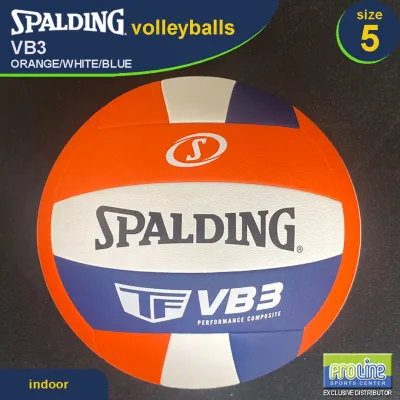
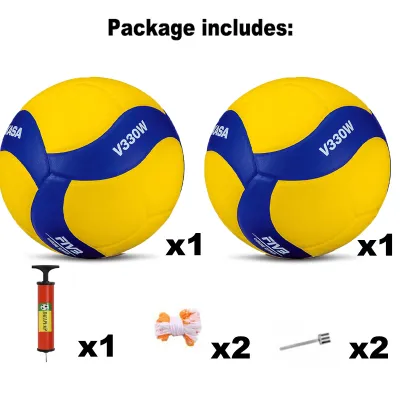
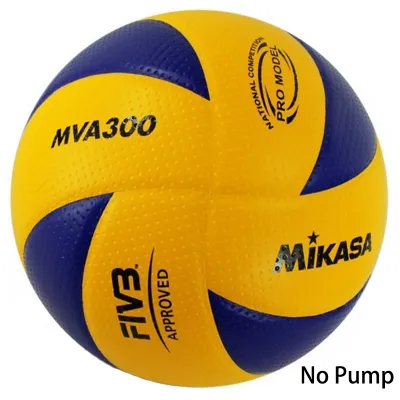
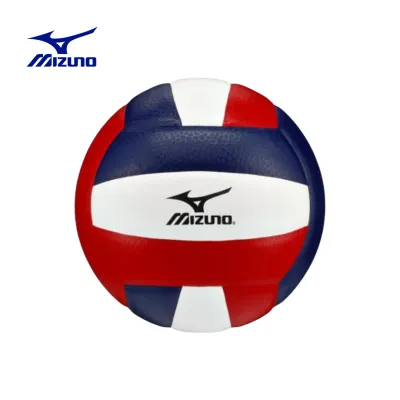
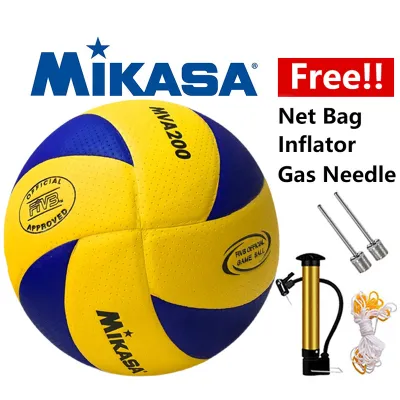
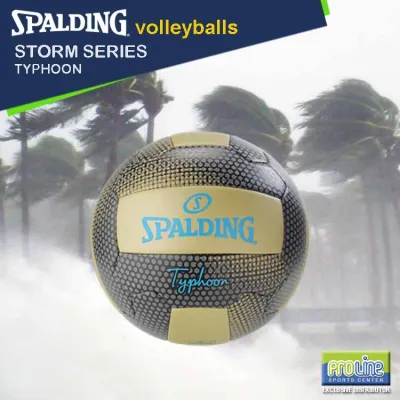
Prices are valid at publication and may change. Please refer to the product page for the latest price.
Using a counterfeit volleyball presents several practical risks that can disrupt your training and even cause physical discomfort. Genuine volleyballs are engineered with specific weight distributions and cushioned covers to minimize impact force on your forearms and wrists. In contrast, fake balls are often constructed from rigid, low-grade plastics that sting upon contact, leading to rapid fatigue or bruising. Furthermore, these substandard materials suffer from inconsistent air retention and unpredictable bounce trajectories, making it incredibly difficult to practice precise sets, passes, and spikes. In the tropical, high-humidity climate of the Philippines, the cheap adhesives used in counterfeit balls degrade rapidly, causing panels to peel and seams to split after only a few sessions on the court.
Physical Inspection: Comparing Texture, Panels, and Print Quality
A hands-on physical evaluation remains one of the most reliable ways to separate a genuine volleyball from a counterfeit copy. Manufacturers of authentic sports balls invest heavily in research and development to produce materials that offer optimal grip, moisture management, and tactile feedback. Replicating these advanced material sciences is highly expensive, which is why counterfeiters almost always cut corners during the manufacturing process, leaving behind distinct physical clues.

Surface Material and Grip Texture
When inspecting a volleyball, pay close attention to the outer cover. An original volleyball ball designed for indoor use typically features a premium synthetic leather, such as high-grade polyurethane (PU) or advanced microfiber. This material feels soft, slightly cushioned, and provides a reliable grip even when your hands are sweaty. When you press your thumb into the surface of a genuine ball, you should feel a subtle, elastic give that returns to its original shape instantly.
Counterfeit volleyballs, on the other hand, often feel excessively plasticky, hard, and slippery. Some replicas attempt to mimic grip by applying a cheap chemical coating, resulting in an unnaturally sticky or tacky texture that attracts dust and dirt. Additionally, premium volleyballs frequently incorporate specialized surface dimples or deep grip grooves to improve flight stability. On an authentic ball, these dimples are uniform in depth, perfectly spaced, and consistent across every single panel. On a fake ball, the dimpling is often shallow, unevenly pressed, or completely absent in certain areas, which severely compromises the ball’s aerodynamics.
Logo Clarity and Panel Alignment
The branding and structural alignment of the ball offer further clues regarding its authenticity. Authentic manufacturers use high-precision printing and embossing techniques to apply logos, model names, and regulatory stamps. On a genuine volleyball, all text is crisp, perfectly aligned, and deeply embedded into the material. The ink will not smudge, fade, or peel off when rubbed firmly with your thumb.
Conversely, counterfeiters often struggle with quality control, leading to blurred lettering, inconsistent font weights, and peeling decals. If you notice that the brand logo is slightly crooked, or if the printed text looks fuzzy around the edges, the ball is highly likely to be a fake. You should also examine the physical panels of the ball. Authentic volleyballs feature perfectly symmetrical panels with tight, uniform seams and no visible gaps. Fake balls often exhibit misaligned panels, asymmetrical shapes that make the ball wobble when spun, and messy glue residue seeping out from the edges of the panels.
Evaluating Packaging, Tags, and Included Accessories
The presentation of the product before it is even inflated can tell you a great deal about its origin. Premium sports brands pack their volleyballs with the same level of care and precision as the balls themselves. If a deal seems too good to be true, or if the packaging looks substandard, it is time to look closer at the exterior details.
Original volleyballs are typically shipped in high-quality, sturdy cardboard boxes featuring sharp, high-resolution graphics, accurate brand colors, and clear product specifications. If the ball is sold deflated, it may come in a heavy-duty, branded polybag that is sealed professionally. Counterfeit balls are frequently sold without any box at all, wrapped loosely in thin, generic plastic wrap, or housed in flimsy cardboard boxes with faded printing, spelling mistakes, and distorted brand logos.
Take the time to inspect the hangtags and labels attached to the ball or its packaging. Authentic products include tags printed on thick, high-quality cardstock with consistent fonts and layout designs. These tags often feature holographic security stickers that shift colors when tilted under the light, along with unique product codes, barcodes, and manufacturing batch numbers. Counterfeit tags are usually printed on cheap, thin paper, with blurry barcodes and poorly replicated, static foil stickers that do not show a true multi-color holographic shift.
Furthermore, pay attention to the accessories included in the package. Many premium volleyball packages include specific, high-quality accessories, such as a branded hand pump, a heavy-duty mesh carrying bag, or a sturdy inflation needle. Authentic accessories will feature clean branding and robust construction. Counterfeit packages often bundle incredibly flimsy, unbranded plastic pumps, cheap nets that fray instantly, or low-grade metal needles that bend or break during their very first use. If these accessories feel remarkably cheap or are missing entirely from a package that claims to include them, treat it as a major warning sign.
Using Official Verification Tools and Customer Support
As counterfeiters become more sophisticated in replicating the visual appearance of sports gear, manufacturers have turned to digital security measures to help consumers verify their purchases. Utilizing these official verification tools is one of the most foolproof ways to confirm whether your volleyball is genuine.
Most leading volleyball brands now include scannable QR codes or unique serial numbers directly on the product tag, packaging, or even printed near the inflation valve of the ball itself. To verify your product, locate this code and scan it using your smartphone. Genuine codes will direct you to the brand’s official, secure website or a dedicated verification portal, where you will receive an immediate confirmation of authenticity. Be cautious if the QR code directs you to a generic, unbranded URL or a website with a suspicious domain name, as counterfeiters sometimes set up fake verification pages to deceive buyers.
If the ball features a unique serial number instead of a QR code, you can manually input this number into the manufacturer’s official online registry. If the registration system rejects the code or indicates that the number has already been registered multiple times, you are holding a counterfeit product. If you have completed these checks and remain uncertain, you can contact the manufacturer’s authorized customer support team in the Philippines. Provide them with clear, high-resolution photographs of the ball’s valve area, the panel seams, the printed logos, the retail tags, and your purchase receipt. Official support channels can cross-reference these details with their production databases to give you a definitive answer.
Choosing Reliable Retailers and Authorized Sellers
The easiest way to avoid the headache of verifying a volleyball’s authenticity is to ensure you are purchasing from a reputable source from the very beginning. While searching for the lowest price is natural, buying from unverified sellers significantly increases your risk of ending up with a useless replica.
When shopping in person, prioritize official brand stores, authorized sporting goods retailers, and established department stores inside major physical malls, such as SM Malls, Robinsons Malls, or Ayala Malls. Well-known local chains like Toby’s Sports, Olympic Village, and Decathlon source their inventory directly from authorized distributors, guaranteeing that every ball on their shelves is 100% authentic.
If you prefer the convenience of online shopping, you must exercise extra caution. When browsing major e-commerce platforms in the Philippines, look for verified badges such as “Official Store” or “Mall” labels, which indicate that the seller has been vetted and authorized by the platform. Avoid purchasing from random third-party sellers who offer premium volleyballs at prices that are 50% to 80% lower than the standard retail price in physical malls.
Before making a purchase online, thoroughly vet the seller by checking their overall store rating and reading customer feedback. Do not just look at the five-star reviews, which can sometimes be fabricated; instead, filter for one-star and two-star reviews. Search these negative reviews for warning keywords such as “fake,” “imitation,” “not original,” “peeling panels,” or “air leak.” If multiple customers complain about the ball deflating quickly or feeling like hard plastic, look for another seller.
Steps to Take If You Accidentally Buy a Fake Volleyball
If you have already purchased a volleyball and your physical inspection or digital verification confirms it is a counterfeit, you should act quickly to protect your consumer rights and secure a refund. Continuing to use a fake ball will only lead to rapid deterioration, and once the ball shows signs of heavy wear, securing a refund becomes significantly more difficult.
First, stop using the ball immediately. Keep all original packaging, tags, box inserts, and accessories exactly as they arrived. Take clear, well-lit photos and videos demonstrating the counterfeit indicators, such as misaligned panels, peeling logos, or a failed serial number verification on the official website. You will also need to locate your digital receipt, order confirmation page, and payment transaction details.
Next, log into the e-commerce platform where you made the purchase and initiate a formal dispute or return request. Select “counterfeit item” or “item not as described” as your primary reason for the return. Upload your photo and video evidence, along with a clear explanation of why the product is not genuine. Most reputable online marketplaces have strict consumer protection policies against counterfeit goods and will temporarily hold the seller’s payment while your claim is reviewed.
Do not ship the item back to the seller or agree to any offline settlement offers until you have received formal approval and a pre-paid return label from the platform’s customer support. In many cases of confirmed counterfeits, the platform may issue a full refund without requiring you to return the illegal replica, or they will provide a specific shipping method to ensure the return is tracked and documented.
Frequently Asked Questions (FAQ)
Can I still use a counterfeit volleyball for casual backyard play?
While a counterfeit volleyball might seem acceptable for low-stakes, casual backyard play, it is generally not recommended. Even in a relaxed setting, a fake ball’s inconsistent weight and unbalanced bladder will result in erratic flight paths and unpredictable bounces, making simple rallies frustrating. More importantly, the hard, low-grade synthetic materials used in replicas do not absorb impact well, which can cause significant hand, wrist, and forearm discomfort, especially for younger players or beginners. Investing in a genuine, entry-level recreational ball is a much safer and more enjoyable alternative.
Is a heavily discounted volleyball always a fake?
A steep discount is a major red flag, but it does not automatically guarantee that a volleyball is counterfeit. Legitimate sporting goods stores and authorized online retailers occasionally offer substantial discounts during seasonal clearance sales, inventory liquidations, or when phasing out older colorways and discontinued models. However, if a current, professional-grade match ball is priced consistently at ₱500 to ₱1,000 when its standard retail price is closer to ₱3,000 or ₱4,000, it is almost certainly a fake. Always cross-reference the seller’s authorized status rather than relying solely on the price tag.

Community discussion
Share your experience or ask a question. Comments are reviewed before publication.