
To identify a genuine Yonex badminton racket, you must perform a multi-step inspection of its physical construction, laser-engraved serial numbers, butt cap logo, and hologram security stickers. Counterfeiters have become highly sophisticated, making a single-point check insufficient. By systematically examining the racket’s structural details and purchasing only from verified authorized channels, you can confidently verify its authenticity.
Why Authenticity Matters for Yonex Rackets
Using a counterfeit racket poses significant performance and safety risks on the court. Genuine Yonex rackets are engineered with precise carbon graphite layups designed to withstand high string tensions. Counterfeit frames often use cheap composite materials or low-grade plastics that can warp or snap unexpectedly under standard tension.
When a substandard frame fails during a high-intensity smash, shattered carbon shards can fly off, posing a direct physical risk to you and your playing partners. Additionally, counterfeit rackets lack the balanced weight distribution and shaft flex consistency required for accurate shot placement. Buying a fake also means forfeiting any manufacturer warranty or official after-sales support, leaving you with no recourse when the racket breaks.
Products mentioned in this guide
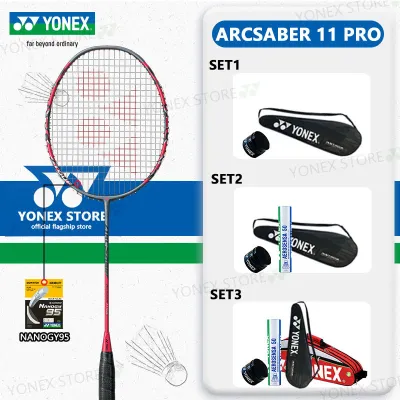
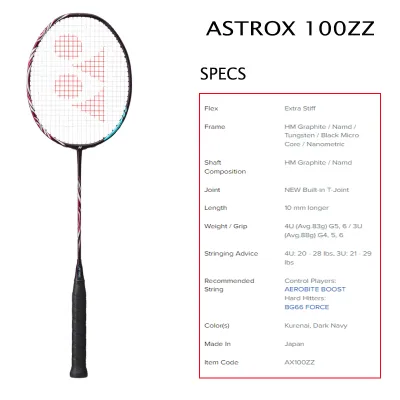
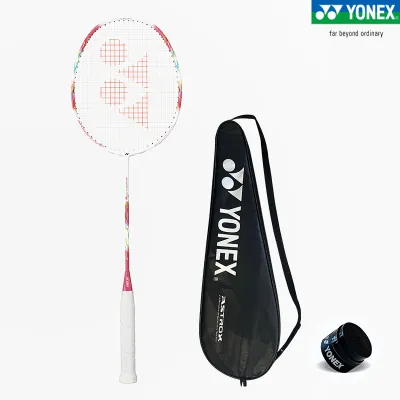
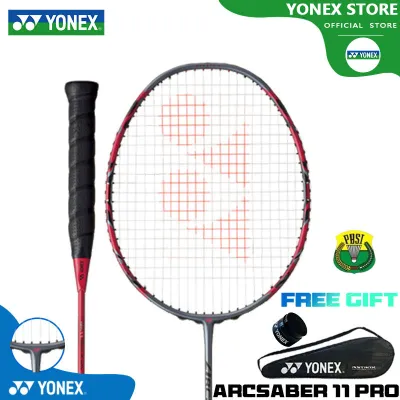
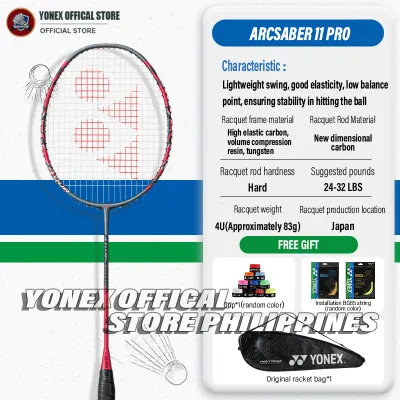
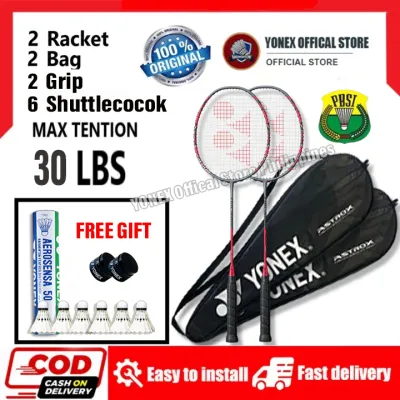
Prices are valid at publication and may change. Please refer to the product page for the latest price.
Key Physical Features to Inspect
A genuine Yonex racket exhibits immaculate craftsmanship, which is immediately apparent in its overall weight, balance, and paint finish. Counterfeit rackets often feel head-heavy or unusually clumsy because they do not adhere to the brand’s strict weight specifications. The paint application on a genuine racket is smooth, even, and free of runs, bubbles, or rough patches.

To spot a fake, compare the decals and fonts on the frame directly with official product images from the manufacturer’s website. Counterfeiters frequently use incorrect font weights, slightly altered kerning, or misaligned lettering. Look closely for any blurred text, uneven paint lines, or spelling mistakes along the shaft and frame, which are clear indicators of a low-quality imitation.
Butt Cap and Cone Cap Details
The butt cap at the base of the handle is one of the most reliable areas for verifying authenticity. On an original racket, the Yonex logo is cleanly molded with sharp, well-defined edges, and the green color of the cap is a specific, vibrant shade. Counterfeit butt caps often feature a dull or overly dark green plastic, with a logo that appears blurry, shallow, or poorly aligned.
Directly above the handle, the cone cap features engraved codes that require close inspection. Genuine rackets have their specifications, such as weight and grip size, cleanly engraved with consistent depth and font spacing. Counterfeit versions often have these markings printed rather than engraved, or the engraving is shallow, uneven, and uses a generic, blocky font.
Shaft and Serial Number Engravings
Every authentic Yonex racket features a unique serial number laser-engraved onto the shaft and the cone cap. On a genuine racket, these numbers are not merely printed; they are cleanly etched into the surface, leaving a distinct tactile feel when you run your fingernail over them. The font used for these numbers is highly specific, featuring sharp, thin lines that are perfectly aligned.
Counterfeit rackets often have serial numbers that are simply painted on or laser-etched with poor precision, resulting in jagged edges or bleeding paint. Additionally, the production code on the cone cap follows a strict date-and-country format. If the numbers are poorly spaced, use an incorrect date sequence, or show signs of manual scratching, the racket is highly likely to be a fake.
Packaging and Hologram Verification
The packaging and protective accessories that accompany a new racket offer further clues about its origin. Genuine Yonex rackets are typically supplied with high-quality racket covers that feature clean stitching, durable zippers, and crisp, centered logo prints. If the cover feels thin, smells strongly of cheap synthetic chemicals, or has loose threads and a distorted logo, you should be highly suspicious.
Most authentic rackets also feature a specialized hologram security sticker affixed to the shaft or cone. When tilted under a bright light source, a genuine hologram displays a clear, multi-layered color shift and sharp text patterns. Counterfeit stickers are often flat, dull, and fail to show the distinct, clean transitions when viewed from different angles.
To assist consumers, the manufacturer sometimes provides regional verification cards or official online tools. You can check the manufacturer’s official regional website to see if they offer a dedicated verification portal or app for your specific model. Always cross-reference the physical hologram’s appearance with the official guidelines provided on the brand’s authorized web pages.
Where to Buy Authentic Yonex Rackets in the Philippines
The most effective way to avoid counterfeit gear is to select your purchase channels with extreme care. In the Philippines, you should prioritize official brand stores, established sports department stores, and authorized pro shops located within reputable badminton clubs. These physical retailers source their inventory directly from official distributors, ensuring absolute authenticity.
If you prefer shopping online, exercise caution when browsing third-party sellers on major ecommerce platforms. Always check for official mall badges, verified seller ratings, and detailed customer reviews that include real photos of the received product. Avoid sellers who cannot provide official authorization certificates or those who refuse to answer specific questions about their sourcing.
Price is another critical indicator of authenticity. High-end Yonex models are premium sporting goods with consistent market pricing. If an online listing offers a top-tier racket for an unusually cheap price, such as ₱1,500 when the standard retail price is closer to ₱9,000, it is almost certainly a counterfeit. Genuine discounts exist, but they rarely slash the price of flagship models by eighty percent.
What to Do If You Suspect a Counterfeit
If you have purchased a racket and suspect it is a counterfeit, act quickly to protect your consumer rights. Start by documenting the physical discrepancies immediately. Take clear, high-resolution photos and videos of the serial numbers, the butt cap, the hologram sticker, and any paint imperfections under bright, natural lighting.
Next, contact the seller or the customer support team of the ecommerce platform where you made the purchase. Present your photographic evidence and request a return and full refund, citing that the item received does not match the description of a genuine product. Most reputable platforms have buyer protection policies that cover counterfeit goods if reported within a specific timeframe.
If the seller is uncooperative or refuses to issue a refund, escalate the dispute directly through the platform’s formal resolution channel. You can also report the fraudulent listing to local consumer protection authorities, such as the Department of Trade and Industry (DTI) in the Philippines. Reporting these listings helps protect the wider badminton community from falling victim to similar scams.
Frequently Asked Questions (FAQ)
Can I verify a Yonex racket's authenticity using just the serial number?
No, you cannot rely solely on the serial number to verify authenticity. While checking the serial number’s format and engraving quality is an important step, counterfeiters frequently copy valid serial numbers from genuine rackets and laser-etch them onto hundreds of fake frames. Therefore, a serial number that looks correct must still be supported by a thorough physical inspection of the racket’s materials, paint quality, butt cap, and purchase source.
Are cheaper Yonex rackets always fake?
No, cheaper Yonex rackets are not always fake. The brand manufactures a wide range of genuine entry-level and mid-range rackets designed for recreational players at highly accessible price points. To determine if a lower-priced racket is authentic, check the official retail price of that specific model on the manufacturer’s website. If the seller’s price aligns with the official retail price for an entry-level model, it is likely genuine; however, if a premium, high-end model is being sold at an entry-level price, it is a major red flag.

Community discussion
Share your experience or ask a question. Comments are reviewed before publication.