
To determine if your Yonex badminton strings are original, you must perform a multi-step inspection focusing on the packaging’s holographic security sticker, the sharpness of the printed text, the laser-engraved batch codes, and the physical texture of the string itself. Counterfeit strings are highly prevalent in the market, often mimicking popular models like BG66 Ultimax or BG80. By carefully verifying these physical details before stringing your racket, you can avoid poor performance and protect your equipment from damage.
Why Counterfeit Yonex Strings Matter
Badminton is a high-intensity sport where string performance directly impacts control and power. When you play in hot and humid tropical conditions, such as in local sports centers across the Philippines, strings are already subjected to environmental stress. Counterfeit strings often exhibit unpredictable tension loss, turning a freshly strung racket into a loose, unresponsive trampoline within just a few games.
Beyond poor playability, fake strings present safety risks for both the player and the racket frame. During high-tension shots or powerful smashes, a counterfeit string is highly susceptible to sudden snapping. This abrupt release of tension can warp or crack an expensive carbon fiber racket frame, leading to costly damage. Additionally, a snapping string can whip outward, posing a risk of eye or facial injury to players and nearby court partners.
Products mentioned in this guide
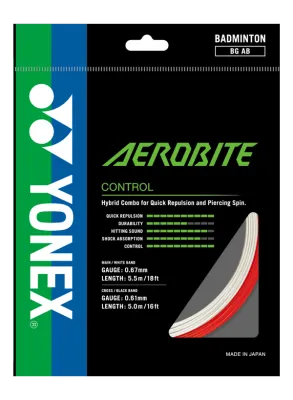
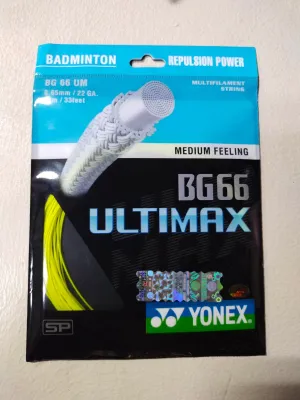
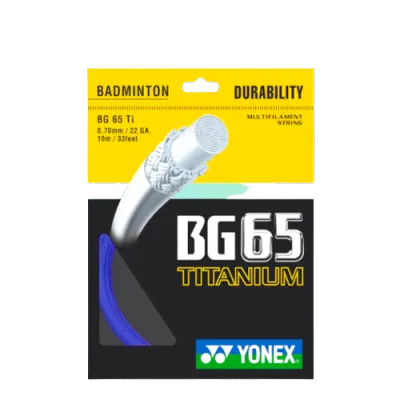
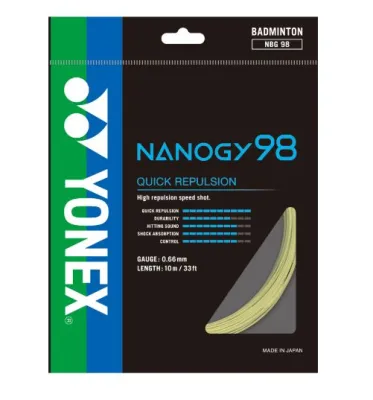
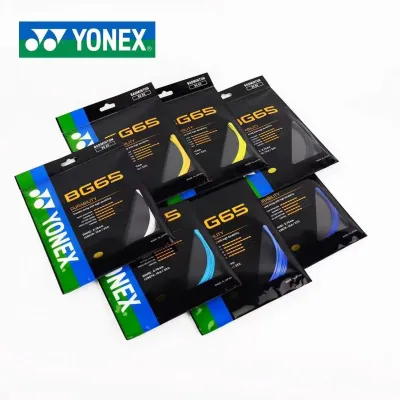
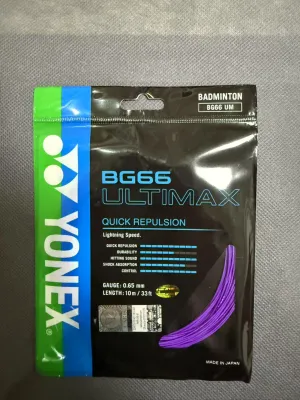
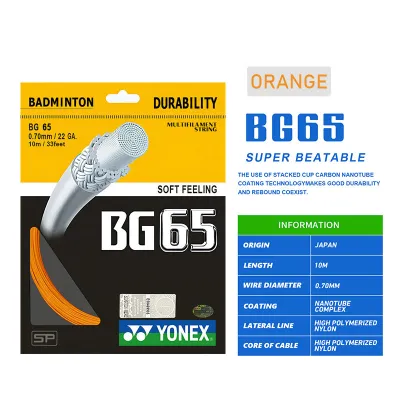
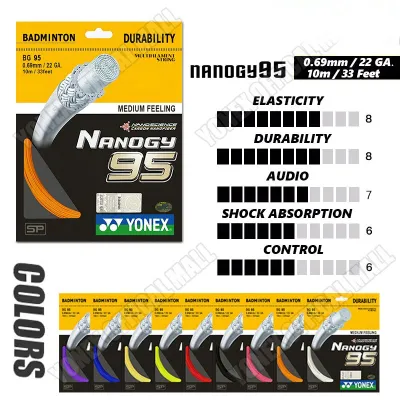
Prices are valid at publication and may change. Please refer to the product page for the latest price.
The market for badminton gear contains numerous imitation products due to the global popularity of the sport. While it is difficult to quantify the exact percentage of counterfeit items in circulation, imitation strings are among the most common fakes because they are cheap to manufacture and easy to package. Recognizing fakes is essential for any player who wants consistent performance and reliable gear.
Authenticity Markers on Genuine Yonex Packaging
The primary defense against counterfeit gear is the specialized holographic sticker affixed to the front of the packaging. On a genuine Yonex string pack, this security label features multi-layered optical patterns that shift dynamically when tilted under a light source. When you rotate the package, the background colors should transition smoothly, and specific brand lettering or logos should appear and disappear clearly rather than remaining static or blurry.

Print quality on the cardboard or blister pack is another reliable indicator of authenticity. Original packaging utilizes high-resolution printing processes that produce crisp, sharp lettering, even for the smallest instruction text on the back. The brand logo must feature precise alignment, correct color tones, and clean edges without any ink bleeding or color overlapping.
Genuine packages also feature specific manufacturing details and batch codes. These codes are typically laser-engraved or printed with high precision on the back of the packaging, often near the barcode or at the bottom edge. The characters should be perfectly aligned, evenly spaced, and match the standard font style used by the manufacturer, rather than looking like they were stamped on haphazardly as an afterthought.
Common Red Flags in Fake Yonex Strings
Counterfeit packaging often betrays itself through visible manufacturing flaws and low-grade materials. You might notice blurry text, faded colors, or even obvious spelling mistakes in the English or Japanese descriptions on the back of the card. The cardboard itself often feels thin, flimsy, or easily creased, lacking the rigid, premium feel of genuine retail packaging.
The physical characteristics of the string itself can reveal its counterfeit nature once the package is opened. Original Yonex strings have a distinct, consistent outer coating—such as the rough, textured feel of BG80 or the smooth, braided finish of BG66 Ultimax. Fake strings often feel unusually slick, plasticky, or sticky, and they may exhibit inconsistent thickness along the length of the spool. Some counterfeits even emit a strong, chemical or petroleum-like odor due to the cheap plastics and dyes used during their unauthorized production.
Price is one of the most immediate indicators of a counterfeit product. In the Philippines, genuine Yonex strings generally retail within a specific, consistent price range, typically starting around ₱350 to ₱600 or more depending on the model and whether stringing service is included. If you encounter online listings or street vendors offering these strings for ₱100 or less, the extreme discount is a strong signal that the product is not genuine.
Official and Practical Verification Methods
To confirm authenticity, you can utilize official verification tools provided by the manufacturer. Some packaging designs include a scratch-off area revealing a unique security code or a QR code that links directly to an official verification portal. When scanning these codes, ensure that the URL matches the official brand domain exactly, as counterfeiters sometimes set up fake verification websites with slightly altered web addresses to deceive buyers.
A hands-on, tactile inspection of the unspooled string is highly valuable before you hand your racket over to a stringer. Run your fingers along a section of the string to check for uniform diameter and a consistent braided texture. Original strings are engineered with specific nylon cores and outer wraps that feel firm and structured, whereas fakes often stretch excessively under light manual tension or feel hollow and soft.
Relying on a single verification check is rarely sufficient because counterfeiters constantly update their methods. A fake package might feature a convincing hologram but contain low-quality, generic string inside, or it might have a copied batch code that looks correct at first glance. Combining visual packaging checks, tactile string inspections, and purchasing source verification is the only way to ensure you are getting an authentic product.
Safe Purchasing Channels for Genuine Gear
The most reliable way to guarantee you receive genuine strings is to buy directly from authorized physical pro shops and official brand stores. These retailers source their inventory directly from authorized distributors, ensuring that every pack of string meets strict quality control standards. Visiting a reputable local pro shop also allows you to consult experienced stringers who can verify the product before installing it on your racket.
When shopping on online e-commerce platforms, you must navigate the marketplace carefully to avoid unauthorized sellers. Look for stores that carry official verification badges, such as “Mall” or “Preferred” status, and verify that the seller is listed as an official flagship store or an authorized distributor. Avoid buying from generic, unverified third-party sellers who use stock photos and offer no clear business details.
Before finalizing your online purchase, take the time to evaluate customer reviews, return policies, and seller ratings. Look for detailed reviews from other badminton players who have uploaded photos of the packaging, holograms, and the strung rackets. A reputable seller will have a transparent return policy and will be willing to provide proof of authorization or answer detailed questions about their stock’s origin.
Steps to Take If You Receive a Counterfeit
If you suspect that the strings you received are counterfeit, document the product immediately upon delivery. Take clear, high-resolution photos and videos of the unboxing process, focusing on the packaging flaws, the holographic sticker, the batch codes, and any suspicious texture on the string. This visual evidence is crucial for supporting your claim during the dispute process.
Initiate a formal dispute through the e-commerce platform’s buyer protection program or contact the physical store’s management directly to request a refund. Provide your documented photos and explain the specific red flags, such as spelling errors, a static hologram, or an unusually low price. Most major online marketplaces have policies that protect buyers from counterfeit goods, provided you submit your claim within the designated return window.
Do not attempt to string your racket with a suspected counterfeit string, even as a temporary measure. The unpredictable tension and poor material strength of fake strings can lead to premature snapping, which can warp your racket frame or cause physical injury during play. It is far safer to write off the cost of the fake string or wait for a replacement than to risk damaging an expensive racket.
Frequently Asked Questions (FAQ)
Can I trust a Yonex string if it has a hologram?
No, you cannot rely solely on the presence of a holographic sticker to prove authenticity. Modern counterfeiters have become highly skilled at replicating the basic appearance of security holograms, often producing stickers that look convincing at a casual glance. To verify a genuine hologram, you must look for dynamic optical effects, such as clean pattern shifts and color transitions when tilted, and combine this check with other indicators like print quality and batch codes.
Do fake Yonex strings always break faster than original ones?
While counterfeit strings generally suffer from poor durability and lack quality control, they do not always break immediately. Some fake strings are made of thick, cheap nylon that might hold tension temporarily, but they will lack the elasticity, repulsion power, and control of an original string. The primary issue with fakes is their highly unpredictable performance, which can result in sudden snapping during a game or rapid tension loss that ruins your playability.

Community discussion
Share your experience or ask a question. Comments are reviewed before publication.