
Identifying an authentic Aquaflask bottle involves examining its physical construction, inspecting the packaging details, and carefully evaluating the seller’s credentials. In the tropical climate of the Philippines, where high humidity and intense heat make a reliable insulated bottle a daily necessity, counterfeit products have become increasingly common in online marketplaces and local stalls. Knowing how to spot these imitations ensures you get the performance and safety you pay for.
By focusing on key visual and tactile indicators, you can easily distinguish a genuine bottle from a cheap replica. This guide outlines the essential checks to perform before and after your purchase to guarantee your bottle is the real deal.
Why Authenticity Matters for Your Aquaflask Bottle
Using a counterfeit insulated bottle carries practical and safety risks that go beyond simple aesthetics. Genuine manufacturers use food-grade stainless steel, which is specifically formulated to resist corrosion and prevent harmful chemicals from leaching into your drinking water. Counterfeit manufacturers often cut corners by using lower-grade metals or industrial-grade plastics that may compromise your health over time.
Products mentioned in this guide
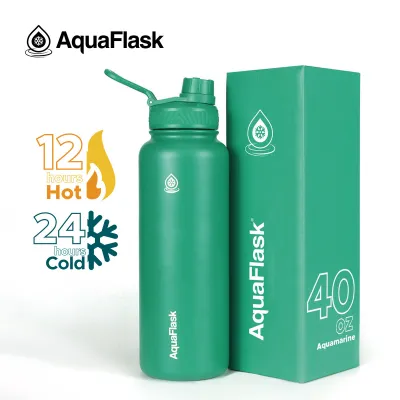
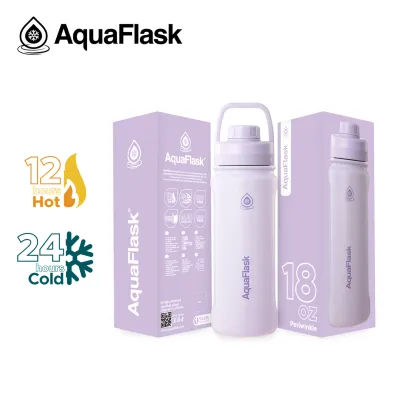
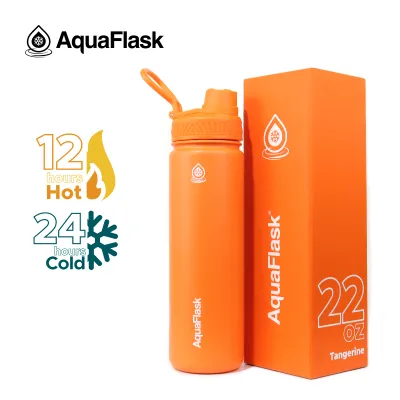
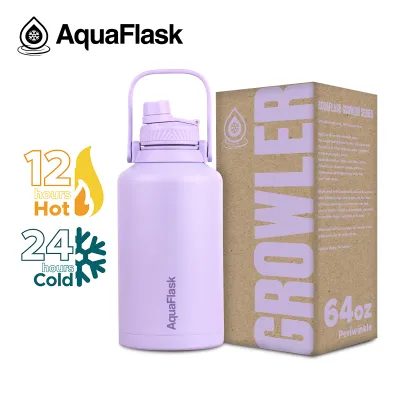
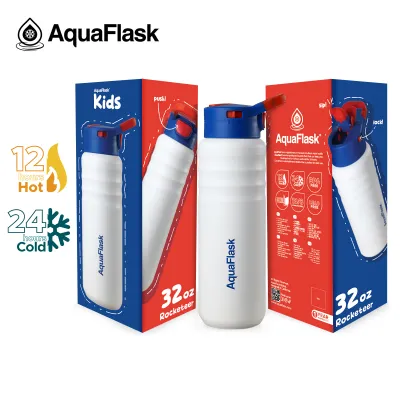
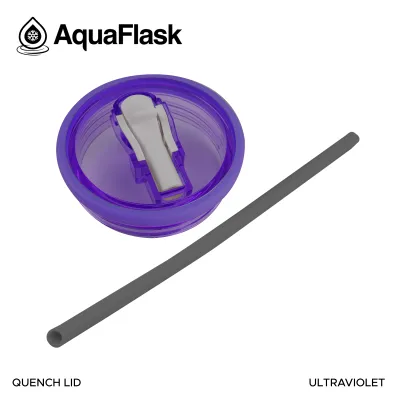
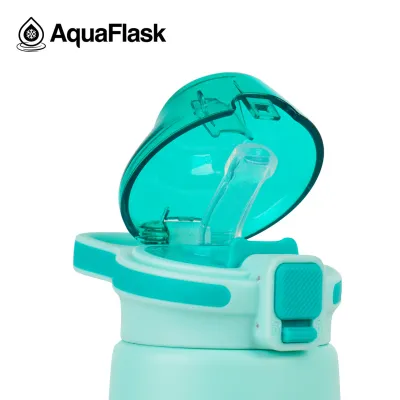
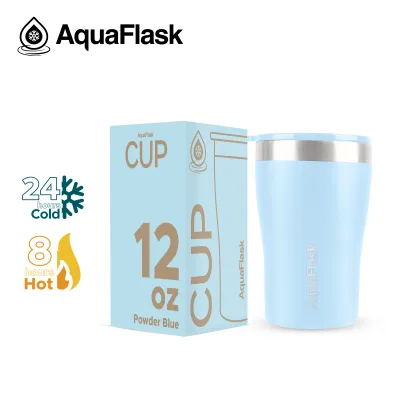
Prices are valid at publication and may change. Please refer to the product page for the latest price.
Insulation performance is another major area where fake bottles fail. A genuine bottle relies on a highly effective double-wall vacuum insulation system to keep your drinks cold during a long commute or outdoor workout. Counterfeits often lack a proper vacuum seal, causing the outer shell to “sweat” condensation in humid weather, which can ruin items in your bag and lead to rapid temperature loss.
Additionally, purchasing an unauthorized product means forfeiting any official warranty or customer support. Genuine brands stand behind their products with structural guarantees and replacement parts for lids or seals. If a counterfeit bottle dents, leaks, or loses its temperature retention after a few weeks of use, you have no recourse for a replacement or refund.
Key Physical Features to Inspect
Logo and Branding
Take a close look at the logo and branding printed or engraved on the bottle. Genuine bottles feature precise, clean laser engraving or high-quality, durable prints that are perfectly aligned. Run your fingers over the logo; it should feel smooth and consistent. Counterfeits often have misaligned text, blurry edges, or paint that easily scratches off with a fingernail.

Build Quality and Weight
Genuine stainless steel bottles have a distinct heft due to the double-wall construction and quality materials. If the bottle feels unusually light, thin, or easily flexes when squeezed, it likely lacks the necessary double-wall insulation. The powder-coated finish on a genuine bottle should also feel uniform and textured, providing a secure grip even when your hands are wet.
Lid and Seal Mechanism
The lid should screw onto the bottle smoothly without catching, squeaking, or cross-threading. Inspect the silicone gasket inside the lid; genuine gaskets are thick, flexible, and fit snugly to prevent leaks. Fakes often use cheap, rigid plastic lids with loose silicone rings that cause persistent leaking when the bottle is tilted or carried in a backpack.
Interior Finish
Peer inside the bottle to inspect the interior walls. The stainless steel should be smooth, uniform, and free of visible weld lines, dark spots, or rough seams. A genuine bottle will not have a strong chemical or industrial smell. If you notice rust spots, rough patches, or a persistent metallic odor after washing, the bottle is likely a counterfeit made from inferior materials.
Packaging and Labeling Checks
Box Quality
Genuine packaging uses thick, sturdy cardboard designed to protect the bottle during transit. Look for vibrant colors, sharp images, and high-resolution printing on the box. Counterfeit boxes are often flimsy, easily crushed, and feature blurry graphics, faded colors, or low-quality paper stock.
Labels and Barcodes
Carefully read all labels, stickers, and barcodes on the packaging. Check for spelling mistakes, grammatical errors, or incorrect capacity listings. The barcode and product details on the box must match the actual bottle inside, including the color and size specifications.
Included Accessories
Authentic bottles typically come with official care instructions, warranty information, or brand inserts inside the box. If these documents are missing, poorly printed, or contain obvious typos, treat it as a warning sign. Some genuine packages also include a silicone boot or specific lid accessories depending on the promotional bundle.
Verification Instructions
Some production batches include official scratch-off authenticity stickers or QR codes on the packaging. If present, ensure they direct you to the official brand website rather than a suspicious, look-alike domain. Always verify the URL in your browser’s address bar to ensure you are on the legitimate manufacturer’s site.
Evaluating the Seller and Purchase Channel
Authorized Retailers
To guarantee authenticity, purchase directly from official brand stores, established department stores, or authorized sports and outdoor retailers in the Philippines. Buying from authorized physical kiosks or official flagship stores on major online marketplaces is the safest way to avoid counterfeit goods.
Price Red Flags
Be highly skeptical of extreme discounts or flash sales. If a seller offers a bottle at a fraction of the standard retail price in Philippine Pesos (₱), it is almost certainly a counterfeit. Genuine insulated bottles require precise manufacturing processes that cannot be replicated at ultra-low price points.
Seller Reputation
When shopping on online marketplaces, scrutinize the store’s rating and customer reviews. Look for detailed feedback with actual photos uploaded by local buyers. Beware of stores with generic, randomized names, low follower counts, or high volumes of negative reviews complaining about fake products.
Shipping and Origin
Pay attention to the shipping origin of the product. While some genuine accessories are shipped internationally, complete bottles sold by unverified overseas sellers at suspiciously low prices often point to counterfeit distribution networks. Local fulfillment from recognized retail hubs is generally more reliable.
What to Do If You Suspect a Counterfeit
If you suspect your bottle is a fake, stop using it immediately for food or beverages. Lower-grade metals and non-food-grade plastics can pose health risks when exposed to acidic drinks or extreme temperatures over time. Your safety should always come before trying to make a suspicious bottle work.
Document the issues by taking clear, well-lit photos and videos of the bottle, focusing on the logo, the interior seam, the lid gasket, and any packaging defects. Compare these photos with images of known genuine bottles from official sources to build a clear case.
Initiate a return and refund request through the ecommerce platform’s buyer protection program as soon as possible. Use your documented photos and videos as evidence to support your claim. Most major platforms have strict policies against counterfeit goods and will refund your money if you can prove the item is fake.
Finally, report the fraudulent listing to the platform’s customer support. Reporting these sellers helps clean up online marketplaces, protecting other consumers in the community from falling victim to the same counterfeit schemes.
Frequently Asked Questions (FAQ)
Can I verify my Aquaflask using a QR code or app?
Digital verification depends entirely on the specific batch and official packaging provided by the manufacturer. If your box features an official QR code or scratch-off verification link, scan it to check authenticity, but ensure the destination URL matches the official brand domain. Be cautious of scanning codes from untrusted third-party sellers, as they may lead to spoofed websites designed to mimic official verification pages.
Are slight paint imperfections a sign of a fake?
Minor cosmetic variations can occasionally occur during mass production, even on genuine items. However, severe peeling, uneven powder coating, or misaligned graphics are strong indicators of a counterfeit. If the paint easily chips off with light friction or feels sticky to the touch, the bottle likely did not undergo the rigorous quality control standards of a genuine product.

Community discussion
Share your experience or ask a question. Comments are reviewed before publication.