
Using a squeeze ball to build grip strength and hand endurance requires a structured approach of controlled compression, finger isolation, and progressive resistance. By placing the ball securely in your palm or between individual fingers, you can perform targeted exercises that engage the muscles of your hand and forearm. To get the most out of this simple fitness accessory, you must maintain a neutral wrist position, control both the squeezing and releasing phases, and prioritize muscle fatigue over rigid repetition counts. This guide details how to integrate these movements safely into your daily routine to improve dexterity, build endurance, and complement your overall fitness training.
Setting Your Grip Training Goals and Boundaries
Before starting any hand exercise routine, it is essential to define what you want to achieve and understand the limits of a squeeze ball. Grip strength is not a single mechanical action; it is divided into crushing grip, pinch grip, and support grip. A crushing grip is the power of your fingers closing against resistance, which you use when shaking hands or holding a barbell. A pinch grip relies on the strength between your fingers and thumb, while support grip is the ability to hold onto an object for an extended period, such as carrying heavy grocery bags through a crowded market.
A squeeze ball is highly effective for building muscular endurance, improving finger dexterity, and aiding in low-impact hand rehabilitation. However, it has clear limitations when it comes to developing maximum, high-level crushing power. If your primary goal is to lift extremely heavy weights or excel in competitive powerlifting, you will eventually need to transition to heavy gym equipment, such as adjustable metal grippers or loaded carries.
Products mentioned in this guide
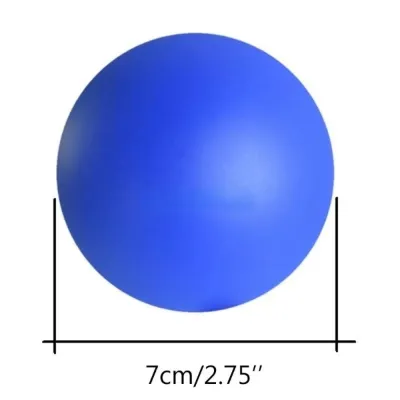
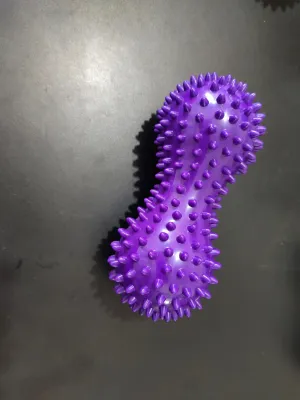
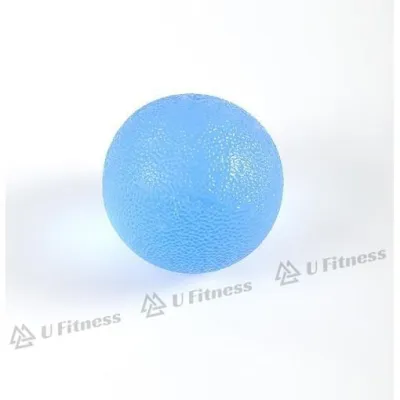
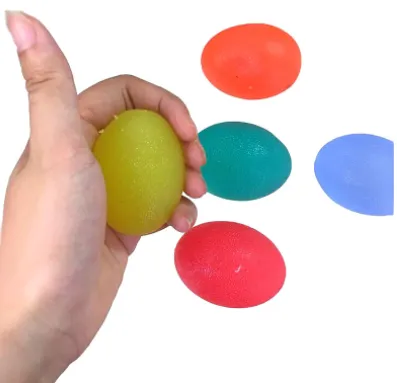
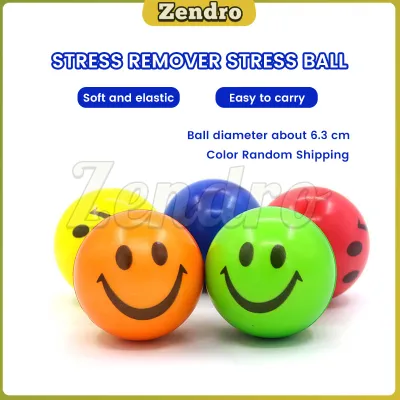
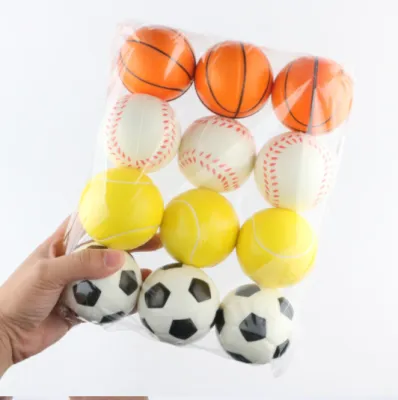
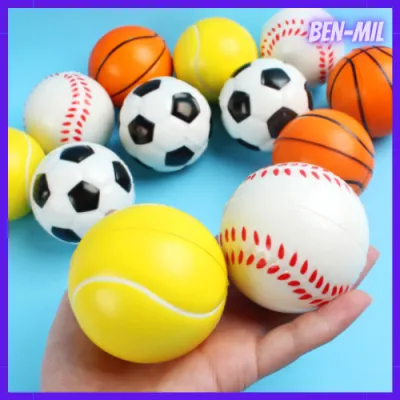

Prices are valid at publication and may change. Please refer to the product page for the latest price.
Establishing a baseline of your current hand health is a critical first step. If you are recovering from a recent injury or managing a chronic joint condition, remember that fitness accessories are designed for general conditioning and do not replace professional medical treatment. Always consult a healthcare provider before using these tools to address specific physical ailments.
Selecting the Right Squeeze Ball for Your Routine
Choosing the right squeeze ball depends on your current hand strength, hand size, and specific fitness goals. Squeeze balls are available in several materials, including silicone, gel, and dense foam. Silicone balls offer excellent durability and a consistent, firm rebound, making them ideal for long-term use. Gel-filled options provide a more fluid, conforming feel that distributes pressure evenly across your palm, while foam balls are highly compressible and lightweight, though they may degrade faster under heavy use. In warm, humid tropical climates, silicone and gel are often preferred because they do not absorb sweat and are much easier to wipe clean.

When shopping, check the manufacturer’s resistance levels, which are often color-coded to indicate light, medium, or heavy tension. It is wise to start with a lower resistance than you think you need, especially if you are focusing on high-repetition endurance or finger isolation.
The physical size of the ball is equally important for safety and comfort. The ball should fit comfortably in your palm, allowing your fingers to wrap around it naturally without slipping or forcing your hand into an excessively wide, strained spread. If the ball is too large, you will struggle to maintain control; if it is too small, you may experience cramping in your palm.
Step-by-Step Squeeze Ball Exercises
To build hand strength safely, you must execute each movement with deliberate control and proper alignment. Hand and forearm muscles are small and intricate, making them highly susceptible to strain if worked cold or with poor form.
Always begin your session by warming up your hands and wrists. Simple movements like gentle wrist circles, finger stretches, and light, unresisted hand opening and closing will increase blood flow and prepare your tendons for work.
Throughout every exercise, keep your wrist in a neutral, straight position. Bending your wrist forward or backward while squeezing places unnecessary stress on the carpal tunnel and reduces the efficiency of the target muscles.
Finally, focus on listening to your body’s signals. Rather than forcing yourself to complete an arbitrary number of repetitions, pay attention to muscle fatigue and stop when your form begins to slip.
Full-Hand Crushes for Overall Endurance
The full-hand crush is the foundational movement for building general forearm stamina and hand strength. To perform this exercise, place the squeeze ball in the center of your palm and wrap all four fingers and your thumb securely around it. Ensure that the pressure is distributed evenly across your entire hand rather than relying solely on your index and middle fingers.
Slowly squeeze the ball as tightly as comfortable, holding the peak contraction for a brief second. Then, slowly release the pressure, taking the same amount of time to return to the starting position as you did to squeeze. This controlled, slow release is crucial because it trains the muscles eccentrically, which is highly beneficial for tendon health.
Execution Guidelines:
- Pacing: Spend two seconds squeezing, hold for one second, and take two seconds to release.
- Volume: Perform the movement until you feel a moderate, warm burn in your forearm, then rest for one minute before repeating.
- Frequency: Aim for two to three sets per hand, adjusting the total volume based on how your muscles feel the next day.
Finger-Isolation Presses for Dexterity
Finger-isolation presses target individual fingers to improve coordination, balance muscle development, and build independent finger strength. This is particularly useful for musicians, typists, or athletes who require precise hand control. To start, hold the ball between your thumb and one target finger, keeping the rest of your hand relaxed and away from the ball.
Press the finger and thumb together to compress the ball, focusing on a clean, vertical pinch. Keep your wrist perfectly straight to prevent your forearm from twisting to compensate for weaker fingers, such as the ring or pinky finger.
Key Steps:
- Positioning: Place the ball on the pad of the target finger, not the tip, to protect the nail bed and joint.
- Sequence: Work your way from the index finger down to the pinky, spending equal time on each.
- Safety Check: Monitor your hand closely for any sharp joint discomfort or tendon irritation, and stop immediately if you feel a sudden pinch or pull.
Static Holds and Pulses for Peak Contraction
Static holds and rapid pulses introduce advanced time-under-tension techniques that challenge your muscles in different ways than standard repetitions. Static holds build isometric endurance, which is the ability to maintain a grip over a prolonged period, such as holding onto a pull-up bar or carrying heavy gear.
To perform a static hold, squeeze the ball to about eighty percent of your maximum effort and hold that contraction steady. Maintain this squeeze until you feel mild muscle fatigue, then slowly release. For pulses, squeeze the ball fully, and instead of releasing completely, make small, rapid, micro-squeezes at the very end of the range of motion.
Training Parameters:
- Static Hold Duration: Aim to hold the squeeze for ten to twenty seconds per repetition, focusing on steady breathing.
- Pulse Technique: Perform rapid pulses for ten seconds after a set of full-hand crushes to fully exhaust the forearm flexors.
- Sensation Check: Learn to distinguish between a healthy, warm muscle burn in the forearm and a sharp, localized pain in the wrist joints or finger tendons.
Pairing Squeeze Balls with Resistance Bands and Other Gear
Integrating a squeeze ball into a broader fitness routine can enhance your overall training efficiency and prevent muscle imbalances. Squeeze balls serve as an excellent active warm-up tool before heavy lifting sessions, such as deadlifts or pull-ups, by priming the nervous system and increasing blood flow to the hands. They can also be used as a low-intensity cool-down tool to help flush out metabolic waste after a strenuous workout.
To maintain balanced forearm development, you should pair your gripping exercises with wrist extensions using resistance bands. Squeezing a ball primarily works the forearm flexors on the underside of your arm. To prevent muscle imbalances that can lead to elbow discomfort, place a resistance band around your fingers and expand your hand outward, or secure the band under your foot and perform slow wrist extensions.
Proper care of your fitness accessories is essential for hygiene and longevity, especially in warm, humid environments. Store your squeeze ball and resistance bands in a cool, dry place away from direct sunlight, which can cause rubber and silicone to degrade, crack, or lose their elasticity over time.
Common Mistakes and Safety Stop Conditions
While squeeze ball training is generally low-impact, improper technique can lead to overuse injuries or joint strain. One of the most common mistakes is allowing the wrist to flex or extend during the squeeze. When you bend your wrist, you shift the mechanical load away from the target forearm muscles and onto the delicate tendons and nerves passing through your wrist joint, increasing the risk of irritation.
Overtraining is another frequent issue. Because squeeze balls are small and portable, it is easy to mindlessly squeeze them for hours while working at a desk or watching television. Small muscle groups require adequate rest to recover and rebuild; training them continuously without rest days can lead to chronic tendon fatigue.
You must establish strict safety stop conditions for your routine. Stop the exercise immediately and seek professional medical advice if you experience sharp pain, numbness, tingling, or a “pins and needles” sensation in your fingers, hand, or wrist. These symptoms can indicate nerve compression or severe tendon inflammation that requires professional evaluation rather than continued exercise.
Tracking Progress and Knowing When to Upgrade
To ensure your hand training remains effective, you need practical methods to track your progress and determine when it is time to increase the difficulty. Because you may not have access to specialized grip testing equipment, pay close attention to subjective changes in your daily life. You might notice that carrying heavy grocery bags feels easier, opening tight jar lids requires less effort, or your hands do not tire as quickly during long writing or typing sessions.
Regularly inspect your squeeze ball for signs of physical wear. Over time, constant compression can cause materials like foam or gel to degrade, tear, or lose their original resistance. If the ball feels noticeably softer or fails to return to its original shape, it is time to replace it.
When a medium or heavy squeeze ball no longer provides a sufficient challenge for your hands, look to upgrade your equipment. You can transition to adjustable spring-loaded grip strengtheners, thicker resistance bands, or dedicated gym implements like fat grips for barbells to continue building your hand and forearm strength.
Frequently Asked Questions (FAQ)
Can I use a squeeze ball every day?
While it is tempting to use a squeeze ball daily due to its convenience, doing so can easily lead to overuse injuries. The muscles and tendons in your hands and forearms are relatively small and require rest to recover and rebuild, just like any other muscle group. If you perform high-intensity squeezes or long training sessions every day, you risk developing tendon stiffness or a noticeable decrease in grip capacity. For optimal results, limit dedicated grip workouts to three or four times a week, allowing at least one day of rest between intense sessions, and always follow any specific usage guidelines provided by the product manufacturer.
Will a squeeze ball help with carpal tunnel syndrome?
A standard squeeze ball is a general fitness accessory designed for conditioning and is not a certified medical or rehabilitation device. If you are experiencing symptoms of carpal tunnel syndrome, such as numbness, tingling, or weakness in your hand, you should consult a qualified healthcare professional or physical therapist before starting any exercise routine. Performing repetitive gripping motions can actually aggravate existing wrist inflammation and worsen nerve compression if done incorrectly or without professional guidance. A medical expert can provide a targeted treatment plan that may include specific stretches, splints, or nerve-gliding exercises rather than simple resistance training.
How do I clean and maintain my squeeze ball?
To keep your squeeze ball hygienic and preserve its material integrity, you must clean it regularly. Always check the product label or manufacturer instructions first, as different materials require specific care. For most silicone, rubber, or gel-filled balls, a simple wash with mild soap and lukewarm water is sufficient to remove sweat, dust, and oils. Avoid using harsh chemical cleaners, bleach, or abrasive scrubbing pads, as these can degrade the surface and alter the ball’s resistance properties. After washing, allow the ball to air dry completely in a shaded, well-ventilated area, keeping it away from extreme heat or direct sunlight.

Community discussion
Share your experience or ask a question. Comments are reviewed before publication.