
To properly use a stress ball for hand therapy, you must select the correct resistance level, maintain a neutral wrist alignment, perform controlled squeezes and pinches rather than rapid pulses, and stop immediately if you experience sharp pain or numbness. Squeezing a stress ball can help restore grip strength and finger dexterity when done with proper technique, but it must be approached as a structured exercise rather than a mindless distraction.
Using a stress ball for hand therapy is a highly accessible way to rebuild grip strength, improve finger dexterity, and support recovery after an injury or during chronic joint management. By understanding how to isolate different muscle groups and when to rest, you can turn a simple stress ball into an effective therapeutic tool.
Choosing the Right Stress Ball and Preparing Your Hands
Before beginning any hand exercise routine, it is essential to evaluate your current physical condition and select the appropriate equipment. In tropical climates like the Philippines, high humidity and heat can sometimes contribute to mild fluid retention or morning joint stiffness. Squeezing a ball that is too firm when your joints are already swollen can strain the delicate tendons in your fingers.
Products mentioned in this guide
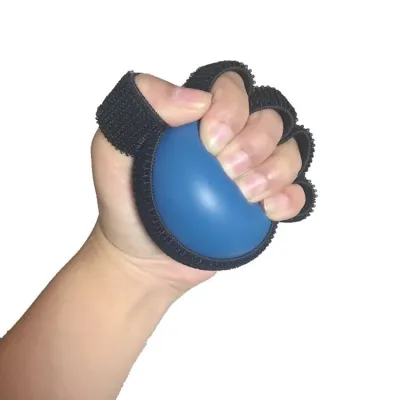
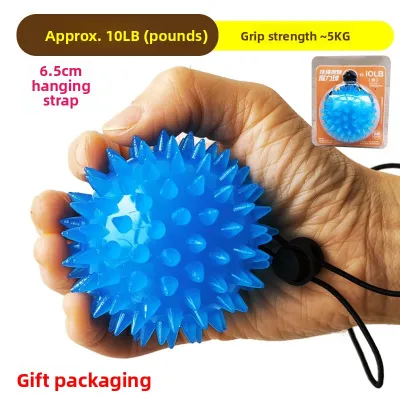
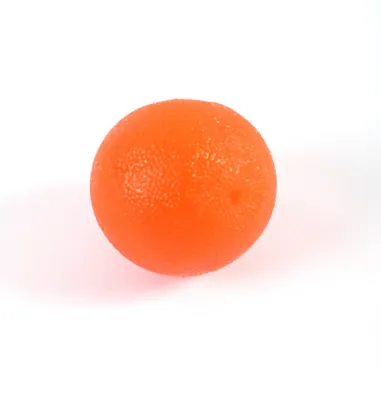

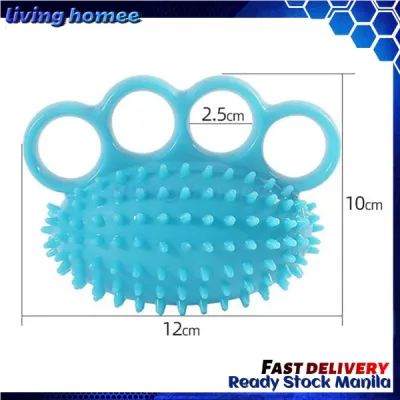
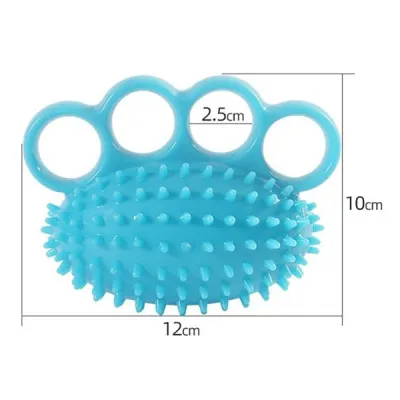
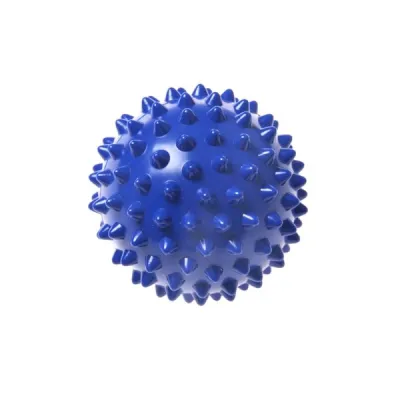
Prices are valid at publication and may change. Please refer to the product page for the latest price.
To determine if your hands are ready for exercise, perform a quick self-assessment. Check for visible swelling around the knuckles, resting pain, or severe stiffness that limits your ability to make a loose fist. If your hand feels hot, inflamed, or painful even when resting, delay the exercises and allow the tissues to settle.
When selecting a stress ball, look for options that match your current grip strength. These tools are generally categorized into soft, medium, and firm resistance levels. A basic therapy ball typically costs between ₱100 and ₱400 on local online marketplaces, making it an affordable addition to your home fitness setup. Beginners or those recovering from recent injuries should always start with a soft foam or gel-filled ball. As your grip strength improves and exercises no longer cause muscle fatigue, you can gradually transition to a medium or firm silicone ball.
Never begin squeezing a stress ball with “cold” muscles. Spend two to three minutes warming up your hands with unweighted movements. Gently open and close your hands, fan your fingers out wide, and perform slow wrist circles in both directions. This increases blood flow to the local tissues, lubricates the joints, and prepares the tendons for resistance. If you have a diagnosed medical condition, such as a recent fracture, tendon tear, or severe nerve compression, you must obtain a formal medical evaluation and clearance from a physician or physical therapist before starting any grip-strengthening routine.
Core Stress Ball Exercises for Strength and Mobility
To get the most benefit from your hand therapy routine, perform each exercise with focus and precision. Rather than rushing through repetitions, concentrate on the quality of each movement and the alignment of your joints.

The Full Grip Squeeze
The full grip squeeze is the foundational movement for building overall hand strength and endurance. To perform this exercise correctly, place the stress ball in the palm of your hand and wrap your fingers comfortably around it. Pay close attention to your wrist alignment; your wrist should remain in a neutral, straight position, forming a continuous line with your forearm. Avoid bending your wrist forward or backward while squeezing, as this unnatural angle can compress the nerves and tendons passing through the wrist joint.
Begin the movement by slowly squeezing the ball, engaging all your fingers and your thumb simultaneously. Hold the squeeze at a comfortable point of tension for two to three seconds, then slowly release your grip over another two to three seconds. This controlled rhythm is far more effective for muscle rehabilitation than rapid, pulsing squeezes, which can cause tendon irritation.
When executing the squeeze, gauge the intensity based on mild muscle fatigue rather than pushing to your absolute maximum force. You do not need to crush the ball; a moderate effort of about 50% to 60% of your maximum strength is sufficient to stimulate muscle recovery and build endurance without overloading the joints. Perform 10 to 15 controlled repetitions per set.
Finger Pinches and Isolation
While a full grip squeeze targets the larger muscles of the hand and forearm, finger pinches focus on fine motor control and the smaller intrinsic muscles of the hand. This exercise is particularly useful for tasks that require precision, such as writing, buttoning clothes, or holding utensils.
To perform finger pinches, hold the stress ball in one hand and place it between the pad of your thumb and the pad of your index finger. Gently pinch the ball, hold for two seconds, and release slowly. Repeat this sequence with your middle finger, ring finger, and pinky finger, isolating each digit against the thumb.
During this exercise, perform regular posture checks to prevent hyperextending your finger joints. The joints of your pinching fingers should remain slightly bent, forming a soft, rounded curve. If you notice a joint collapsing or bending backward into a sharp “V” shape, reduce the pinching force immediately. You can adjust the ball’s position slightly to target specific weak points; for instance, placing the ball closer to the fingertips emphasizes tip-to-tip pinch strength, while resting it slightly lower on the finger pads engages the middle joints of the fingers.
Wrist Stabilization Movements
Integrating mild wrist engagement while holding a stress ball helps build forearm stability and supports the muscles that control wrist movement. This is highly beneficial for individuals who experience wrist weakness during daily activities like lifting objects or typing.
To perform these movements safely, sit at a table and rest your forearm flat on the surface, allowing your hand and the stress ball to extend slightly over the edge. Alternatively, keep your entire forearm and hand supported on the table if you require more stability. Hold the stress ball with a firm but relaxed grip—just enough pressure to keep the ball secure without squeezing it with full force.
Slowly bend your wrist upward, hold for a second, and then return to the starting position. Next, slowly bend your wrist downward and return to neutral. Keeping your forearm supported on the table is crucial because it isolates the wrist joint and prevents your shoulder or elbow from lifting to compensate for weak wrist muscles.
Pay close attention to how the joint feels during these movements. If you experience any clicking, catching, popping, or sharp pain in the wrist, stop the exercise immediately. These sensations can indicate joint instability or tendon catching, which require professional assessment.
Safety Rules: Recognizing Pain and Knowing When to Stop
When engaging in hand therapy, it is vital to distinguish between productive physical effort and harmful strain. Pushing through pain does not accelerate recovery; instead, it often leads to overuse injuries like tendonitis or nerve irritation.
Learn to observe the difference between normal muscle fatigue and abnormal pain. Normal fatigue feels like a dull, warm ache in the muscle belly of your forearm or the fleshy part of your palm. This sensation typically develops toward the end of your exercise set and resolves within a few minutes of resting. In contrast, sharp, shooting, hot, or radiating pain is a clear warning sign of tissue distress or nerve compression.
Establish immediate stop conditions for your routine. If you experience numbness, tingling (a “pins and needles” sensation), or a sudden increase in joint stiffness during or after squeezing, stop the exercise immediately. These symptoms suggest that a nerve, such as the median nerve in the wrist, is being compressed or that the joints are being overloaded.
Overtraining is a common pitfall in hand rehabilitation. Because stress balls are small and portable, it is easy to fall into the habit of squeezing them continuously throughout the day. This repetitive stress can inflame the tendons in your fingers and wrist. Limit your structured exercise sessions to 5 to 10 minutes, once or twice a day, and incorporate dedicated rest days to allow your tissues to recover and rebuild.
After completing your exercises, perform a quick post-exercise check and a gentle, unweighted stretching routine to relax the muscles. Gently extend your fingers and hold your hand open for 10 seconds, or use your opposite hand to gently pull your fingers back toward your forearm to stretch the wrist flexors. This helps release any residual tension and maintains flexibility.
Adapting Exercises for Arthritis and Carpal Tunnel Syndrome
Common hand conditions like arthritis and carpal tunnel syndrome require specific modifications to ensure that stress ball exercises do not aggravate your symptoms.
For individuals with arthritis, timing is everything. You must learn to recognize the observable signs of an active arthritis flare-up, which include visible swelling around the knuckles, joints that feel hot to the touch, redness, or a throbbing resting pain. If you notice any of these signs, stop all resistance exercises immediately. Squeezing a stress ball during an active flare-up compresses inflamed joint surfaces, which can increase pain, worsen inflammation, and potentially accelerate cartilage damage. Instead, focus on gentle, unweighted range-of-motion movements until the flare-up subsides.
If you have carpal tunnel syndrome, your primary goal is to avoid compressing the median nerve, which runs through the narrow carpal tunnel in your wrist. Perform strict posture checks to ensure your wrist remains completely straight and neutral during all gripping activities. Avoid high-intensity squeezes or exercises that force your wrist into a bent position, as these actions dramatically increase pressure within the carpal tunnel and can trigger numbness or tingling in your thumb and fingers.
It is important to recognize the limitations of general exercises. While a stress ball is a helpful tool for general conditioning, it cannot replace a customized rehabilitation plan designed by a physical therapist or occupational therapist. If your symptoms persist or worsen, seek a professional evaluation to obtain a targeted exercise program tailored to your specific anatomy and condition. When squeezing is contraindicated, your therapist may recommend alternative gentle mobility movements, such as tendon glides or soaking your hands in warm water to relieve stiffness without applying joint pressure.
Frequently Asked Questions (FAQ)
How often should I do stress ball exercises for hand therapy?
When starting a hand therapy routine, it is best to begin with a low frequency to gauge your body’s response. Start by performing the exercises for 3 to 5 minutes once every other day. Carefully observe how your hand, wrist, and fingers feel over the next 24 hours. If you do not experience any lingering soreness, increased stiffness, or pain, you can gradually increase the frequency to once daily. Always prioritize the recommendations of a physical therapist over generic online schedules, as your recovery timeline depends on your unique physical condition. Signs that your current frequency is too high include persistent joint stiffness the following morning, a decrease in grip strength, or a dull ache that does not go away with rest. If you notice these signs, scale back your routine immediately.
Can a stress ball cure carpal tunnel syndrome or arthritis?
No, a stress ball cannot cure carpal tunnel syndrome or arthritis. These conditions are caused by structural changes, nerve compression, or systemic joint inflammation that resistance exercises alone cannot reverse. A stress ball is simply a supportive tool designed to help maintain joint mobility, improve local blood circulation, and preserve muscle tone in the hand and forearm. Managing chronic conditions effectively requires a comprehensive medical approach, which may include wearing supportive splints, taking prescribed anti-inflammatory medications, making ergonomic adjustments to your workspace, or undergoing surgery if recommended by a specialist. If you experience chronic or worsening hand pain, seek a professional medical evaluation rather than relying solely on home exercises.

Community discussion
Share your experience or ask a question. Comments are reviewed before publication.