
Finding the perfect badminton racket is an exciting step for any player in the Philippines, whether you are a weekend warrior playing in local sports centers or a competitive athlete training for tournaments. However, the market is flooded with counterfeit rackets that look remarkably similar to premium models. Telling an original badminton racket apart from a fake requires a keen eye, a systematic inspection process, and an understanding of manufacturer security features.
By learning how to verify authenticity before you buy, you can protect your investment and ensure your gear performs exactly as intended on the court. A genuine racket is engineered to withstand high string tensions and deliver precise control, whereas a counterfeit alternative can ruin your game and even cause physical injury.
Why Authenticity Matters for Your Game and Safety
Using a counterfeit racket poses a significant risk of structural failure during intense play. Authentic rackets are constructed from high-grade carbon fiber composites designed to handle extreme tension, often exceeding 24 to 30 lbs. Counterfeit rackets, typically made from cheap fiberglass or substandard graphite blends, can warp, crack, or snap violently during a powerful smash, sending sharp shards flying toward you or your playing partner.
Products mentioned in this guide
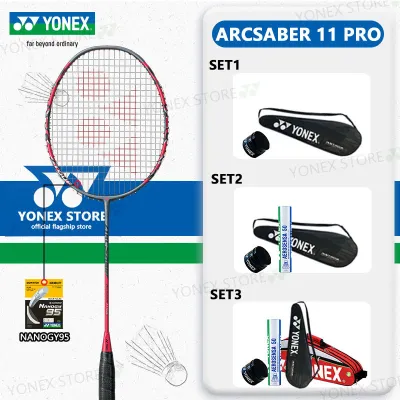
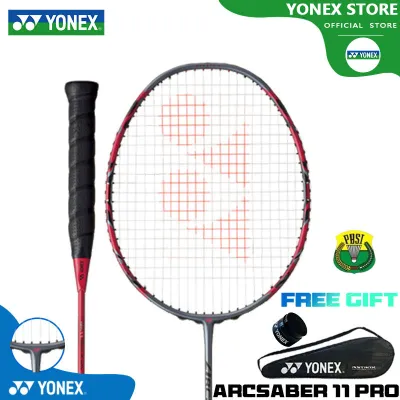
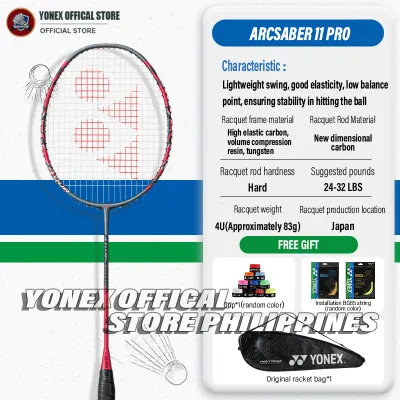
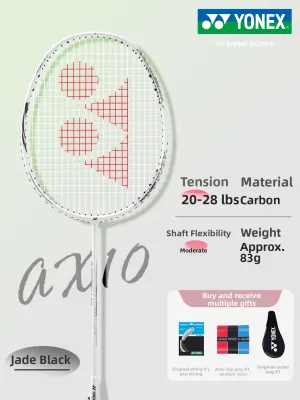
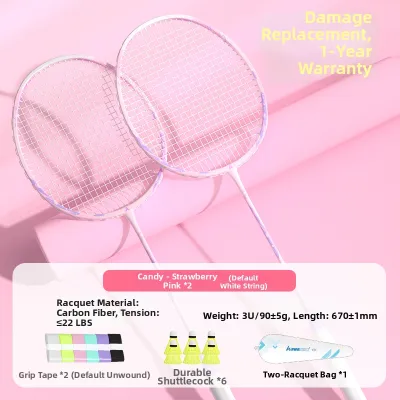
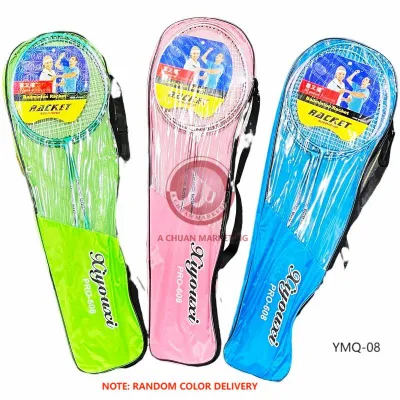
Prices are valid at publication and may change. Please refer to the product page for the latest price.
Inconsistent weight distribution and balance are also common in fake rackets, which directly affects your playability and stroke accuracy. Genuine manufacturers spend years perfecting the balance point, shaft flexibility, and aerodynamics of each model. A counterfeit racket often feels clumsy, overly heavy, or completely unbalanced, forcing your muscles to overcompensate and increasing the risk of wrist strain, shoulder fatigue, or tennis elbow.
Additionally, buying a fake means you forfeit all manufacturer warranties, customer support, and safety guarantees. If a genuine racket suffers a structural defect under normal playing conditions, authorized dealers can facilitate a replacement. With a counterfeit product, you have no recourse, leaving you with a useless piece of broken graphite and a wasted budget.
Physical Inspection: Packaging, Build Quality, and Markings
Evaluating the paint quality and printed specifications on the frame and shaft is one of the quickest ways to spot a fake. Authentic rackets feature flawless, high-grade paint finishes with crisp, clear decals. Run your fingers over the graphics; original designs are smooth and perfectly integrated into the frame’s finish, whereas counterfeits often have blurry text, misaligned lines, or even spelling mistakes in the technology labels.

Inspect the bottom cap and the cone just above the handle. On an original racket, the brand logo on the bottom cap is deeply embossed, sharp, and perfectly centered, with the plastic color matching official brand specifications. Fake rackets often feature poorly molded logos, off-color plastics, or visible glue residue where the cap meets the handle. The transition from the shaft to the cone should also be seamless, without any gaps or loose fittings.
Do not overlook the retail packaging and included accessories. Genuine rackets are packaged with care, and if a cover is included, it will feature durable, thick materials, clean stitching, and functional zippers. Check the retail tags attached to the racket; they should display clear barcodes, accurate weight and grip size indicators (such as 3U/G5), and professional typography rather than cheap, faded printing.
Checking Serial Numbers, Holograms, and Official Verification
Most premium brands laser-engrave unique serial numbers onto the shaft and the cone of the racket. These numbers are clean, perfectly aligned, and have a distinct, consistent font depth. On counterfeit rackets, these serial numbers are often printed on, stamped unevenly, or feature a font that looks noticeably different from official manufacturer photos.
Many manufacturers place multi-layered hologram security stickers on the cone to deter counterfeiters. When you tilt the racket under direct light, these stickers should display shifting patterns, hidden logos, or color transitions. Because counterfeiters have become adept at copying basic holograms, it is essential to check the manufacturer’s current official guide to understand the specific security patterns used for that model year.
Using official brand websites, authorized verification portals, or official mobile apps is the most reliable way to validate serial numbers. Many brands now include scratch-off codes on the packaging or tags. Entering these unique codes into the official database will immediately tell you if the product is genuine. If the system indicates that the code has already been searched dozens of times, it is a clear sign of a copied serial number on a counterfeit batch.
Choosing Reliable Purchasing Channels
To eliminate the risk of buying a fake, always prioritize authorized physical sports shops and official brand flagship stores on major ecommerce platforms. These sellers receive their inventory directly from official distributors, ensuring absolute authenticity and providing valid receipts that support future warranty claims.
If you must buy from a third-party seller on an online marketplace, do your homework before making a purchase. Check the store’s overall rating, how long they have been operating, and verified buyer reviews. Look for reviews that include actual photos of the racket, paying close attention to the serial numbers and bottom caps shown in those photos to verify they match genuine standards.
Be highly suspicious of prices that are significantly lower than the standard retail range in the Philippines. If a premium racket that normally retails for ₱9,000 is being offered for ₱2,000, it is almost certainly a counterfeit. Other red flags include sellers who refuse to provide close-up photos of the serial numbers, stores with generic names and no physical address, and listings that lack official store verification badges.
Steps to Take If You Receive a Suspected Fake
If you suspect you have received a counterfeit racket, document the evidence immediately. Take clear, high-resolution photos and videos of the unboxing process, focusing on the packaging, serial numbers, hologram stickers, and any physical defects or discrepancies you notice.
Initiate a return or refund request through the ecommerce platform’s buyer protection program right away. Provide your documented evidence, including comparisons with official product photos, to support your claim. Most platforms have strict time limits for filing disputes, so acting quickly is essential to secure your refund.
Keep the racket in its original, returnable condition. Do not string, grip, or play with the racket, as any modifications or signs of use can void the return policy and make it difficult to prove that the item was delivered in that condition. Keep all original packaging, tags, and accessories intact until the dispute is fully resolved.
Frequently Asked Questions (FAQ)
Can I rely solely on the price to identify a fake badminton racket?
No, you cannot rely on price alone. While an incredibly low price is a major warning sign, some sophisticated counterfeiters price their fake rackets close to the standard retail rate in the Philippines to trick buyers into thinking they are getting a genuine product. Always combine price checks with physical inspection and official serial number verification.
Do all original badminton rackets come with a warranty card?
No, warranty policies and included documentation vary significantly by brand, region, and the specific racket model tier. While premium models almost always include a physical warranty card or registration leaflet, entry-level rackets might not. Always consult the manufacturer’s official regional guidelines to confirm what documentation should accompany your specific model.

Community discussion
Share your experience or ask a question. Comments are reviewed before publication.