
To verify an original badminton racket set, you must perform a multi-step check that combines physical inspection, digital serial number verification, and purchasing from authorized channels. Counterfeit rackets are highly prevalent on online marketplaces, but you can protect your investment by scrutinizing the paint finish, checking the alignment of the laser-engraved codes on the cone, and validating these numbers on the manufacturer’s official verification portal.
In the tropical climate of the Philippines, where high humidity and heat can accelerate the degradation of cheap adhesives and materials, buying a genuine racket is crucial for both performance and safety. A counterfeit racket not only ruins your playing experience but can also pose physical risks on the court.
Understand the Risks of Counterfeit Badminton Gear
Using a counterfeit racket is not just a matter of poor performance; it is a safety hazard on the court. Genuine rackets are engineered from high-grade carbon fiber or graphite composites designed to withstand immense tension and sudden impacts. Counterfeit manufacturers often substitute these advanced materials with cheap aluminum, low-grade fiberglass, or recycled plastics painted to look like premium carbon.
Products mentioned in this guide
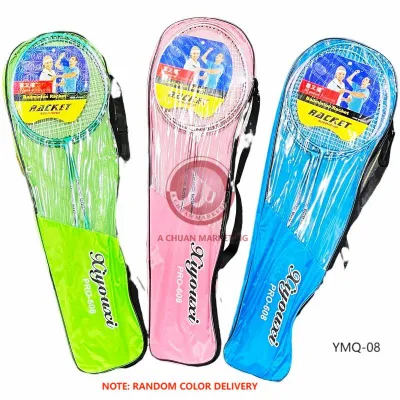
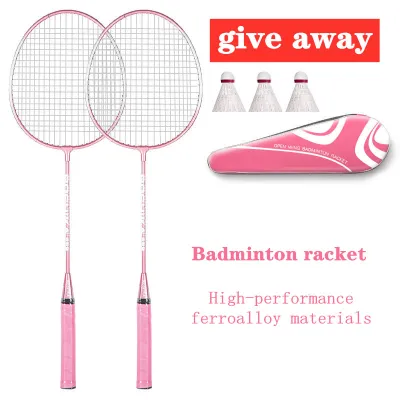
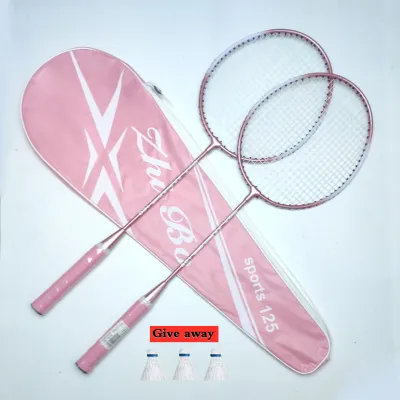
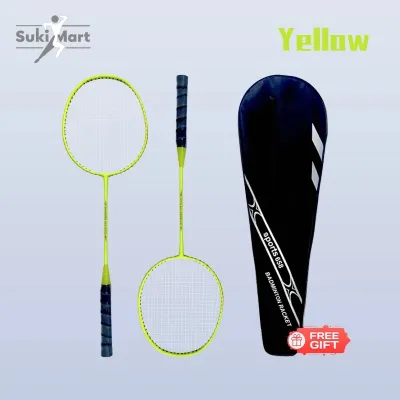
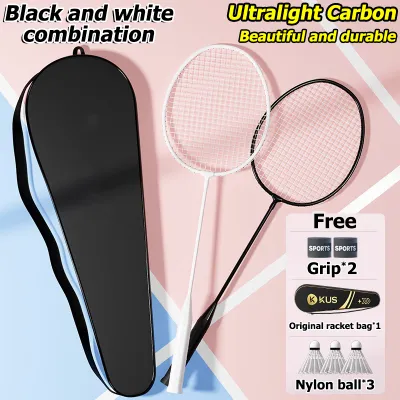
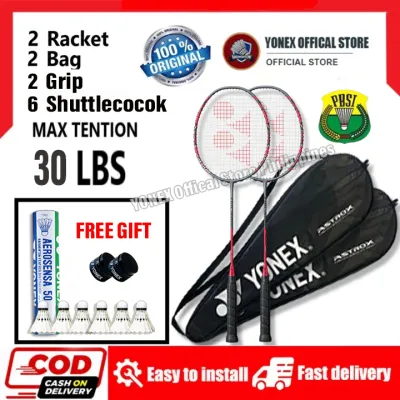
Prices are valid at publication and may change. Please refer to the product page for the latest price.
This lack of structural integrity becomes highly dangerous when you string the racket or play an intense game. High-tension stringing can cause a fake frame to warp, collapse, or snap violently under pressure. During a powerful smash, a weak shaft can splinter or break at the joint, sending sharp fragments or the racket head flying toward other players.
Additionally, counterfeit racket sets usually bundle low-quality accessories to make the package look appealing. The included shuttlecocks often have brittle feathers that break after a few rallies, and the synthetic grips degrade rapidly under the humid conditions of local indoor courts. These cheap grips can become slippery with sweat, causing the racket to slip out of your hand mid-swing.
Inspect Physical Details and Packaging Quality
A close physical inspection is one of the most reliable ways to identify a counterfeit racket before you even head to the court. Premium manufacturers use advanced, automated painting processes that result in a flawless, matte, or glossy finish. On a fake racket, you will often find uneven paint layers, visible runs, misaligned decals, and blurry or smudged fonts on the shaft and cone.

Pay close attention to the grommet strips and the built-in T-joint area. Genuine rackets feature clean, evenly spaced grommet holes with high-quality plastic grommets that protect the strings from the sharp edges of the frame. Counterfeit models frequently show rough molding seams, loose grommets, or a visible gap where the shaft meets the frame, indicating a weak, glued-on joint rather than a seamless internal T-joint.
The butt cap at the bottom of the handle is another common giveaway. Genuine butt caps feature crisp, deeply engraved logos with correct color matching and alignment. Fakes often have poorly glued caps, off-center logos, or incorrect color shades that do not match the brand’s official design.
Examine the packaging and included carrying case. Original sets come in high-quality, padded thermal bags with smooth zippers and cleanly stitched logos. Counterfeit sets often arrive in flimsy, thin plastic covers that smell strongly of cheap industrial glue, featuring poorly printed barcodes or missing holographic security stickers.
Finally, check the physical specifications of the racket. Use a digital scale to measure the weight and check the balance point of the unstrung frame. While slight variances can occur, a significant deviation from the manufacturer’s official weight classification (such as 3U or 4U) or balance point indicates a counterfeit product.
Use Official Verification and Serial Number Checks
Modern badminton brands implement sophisticated digital tracking systems to help players verify their gear. The first step is to locate the serial numbers on the racket. Genuine rackets typically feature two sets of codes: a serial number printed on the shaft and a laser-engraved code on the cone just above the handle.
On authentic rackets, these laser-engraved codes are crisp, perfectly aligned, and cut deep into the surface of the cone. Counterfeiters often print these numbers using cheap ink or shallow engraving that feels smooth to the touch. The font style, spacing, and size of the numbers on a fake racket will often look inconsistent when compared to a known genuine model.
Once you locate the codes, visit the manufacturer’s official website or use their authorized mobile application to enter the serial number. Many brands also include scratch-off security labels on the handle or packaging that reveal a unique QR code or verification PIN.
When you scan the QR code or enter the PIN, pay close attention to the system’s response. A genuine code should trigger a message confirming that this is the first time the code has been verified. If the portal alerts you that the code has already been searched dozens or hundreds of times, you are holding a counterfeit racket with a replicated serial number copied from a single genuine unit.
Choose Reliable Channels for Original Racket Sets
The most effective way to avoid counterfeit gear is to control where you buy your equipment. Prioritize purchasing your badminton original racket set from official brand flagship stores, authorized national sports retailers, or well-established physical pro shops located at local badminton centers. These sellers source their inventory directly from official distributors, ensuring authenticity and providing valid manufacturer warranties.
When shopping on online marketplaces, be highly skeptical of deals that seem too good to be true. Premium racket sets are precision-engineered equipment; if a seller offers a top-tier racket set at a fraction of its standard retail price, it is almost certainly a counterfeit. Avoid listings that rely solely on generic manufacturer stock photos rather than actual product images.
Always investigate the seller’s profile before making a purchase. Look for high positive ratings, a long history of operation, and specific customer reviews that mention successful serial number verification. Be cautious of reviews that look automated or overly generic, and check if the seller has a clear, hassle-free return policy.
Avoid buying from unverified sellers on social media groups or third-party classified sites. These transactions lack buyer protection, making it incredibly difficult to recover your money if you receive a fake racket.
Handle Returns and Disputes for Suspected Fakes
If you suspect that the racket set you received is counterfeit, immediate and documented action is necessary to secure a refund. Start by recording a continuous, unedited video of the unboxing process. Take high-resolution, clear photographs of the racket’s key areas, including the serial numbers, the butt cap, the paint finish, and the packaging materials.
Contact the seller or the customer support team of the e-commerce platform immediately to initiate a dispute. Clearly state that you have received a counterfeit item, as most major online marketplaces have strict anti-counterfeit policies that protect buyers.
Submit your documented evidence along with your claim. Include screenshots of the official brand verification portal showing that the serial number is invalid or has been searched multiple times. Avoid using or stringing the racket, as returning the item in its original, unused condition strengthens your dispute.
If the seller refuses to cooperate or the platform denies your claim, you can escalate the issue to consumer protection agencies in the Philippines, such as the Department of Trade and Industry (DTI). Filing a formal complaint with clear evidence of fraud can help resolve the dispute and hold dishonest sellers accountable.
Frequently Asked Questions (FAQ)
Can I verify a racket's authenticity just by its weight?
While counterfeit rackets often feel heavier or have an unbalanced, head-heavy feel due to cheap materials, weight alone is not a definitive test. Some high-end genuine rackets are designed to be extremely head-heavy or lightweight depending on their playing style classification. You should always combine weight checks with visual inspections of the paint and grommets, and perform an official serial number verification on the manufacturer’s portal.
Do original racket sets always come with a warranty card?
Many genuine racket sets include a warranty card, but its presence does not guarantee authenticity. Counterfeiters can easily print replica warranty cards and insert them into the packaging. To ensure your warranty is valid, you must purchase the racket from an authorized dealer and retain the official sales receipt, as manufacturers typically do not honor warranties for products bought from unauthorized third-party sellers.

Community discussion
Share your experience or ask a question. Comments are reviewed before publication.