
To tell if a basketball is original, you must perform a series of visual, tactile, and official verification checks. Counterfeit basketballs often fail in material quality, seam alignment, and bounce consistency. By inspecting the packaging, feeling the surface texture, checking the valve and seams, and verifying serial numbers or QR codes through official manufacturer channels, you can distinguish an original ball for basketball from a cheap imitation. This is especially crucial in the Philippines, where high humidity and intense concrete-court play quickly expose the structural weaknesses of fake sports gear.
Why Authenticity Matters for Your Game
Investing in a genuine basketball directly impacts your performance and skill development on the court. Authentic basketballs are engineered to maintain their shape and internal pressure over time, ensuring that every dribble and shot behaves predictably. Counterfeits often warp, develop lumps, or lose air rapidly due to poor bladder construction, which can ruin your practice sessions.
Grip and moisture management are also critical, especially in tropical climates. Original composite leather or high-grade rubber balls feature advanced moisture-wicking properties and precise pebbling to ensure a secure grip even when your hands are sweaty. Fake balls often become slick and slippery when wet, leading to turnovers and poor ball control during intense play.
Products mentioned in this guide
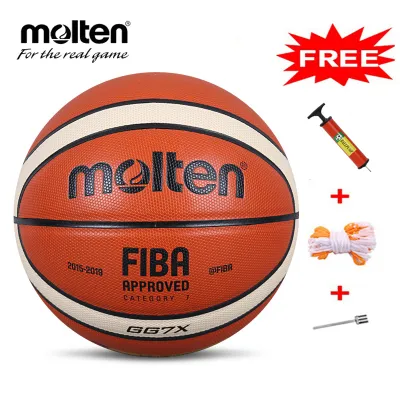
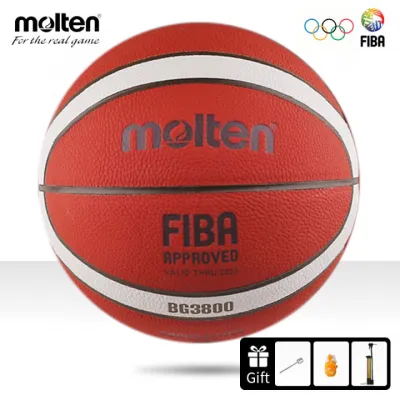
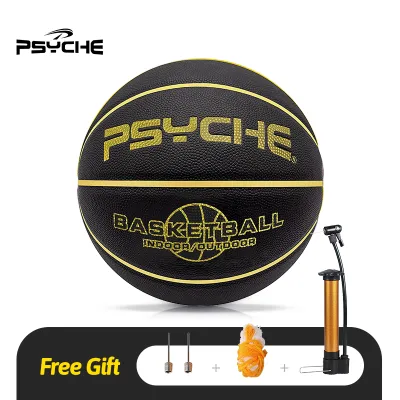
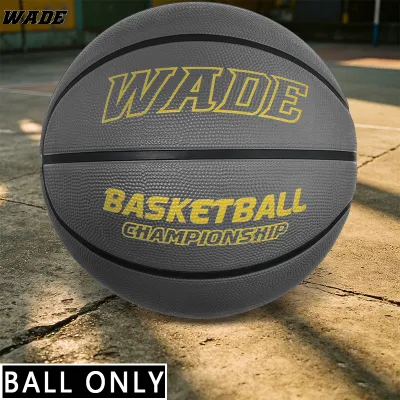
Prices are valid at publication and may change. Please refer to the product page for the latest price.
Furthermore, structural integrity affects safety and consistency. A genuine basketball undergoes strict quality control to ensure uniform weight distribution. Counterfeits can have uneven walls, causing unpredictable bounces off the backboard or rim, which disrupts training and competitive play.
Visual Checks: Inspecting Packaging, Logos, and Print Quality
Your first line of defense against counterfeit sports gear starts before you even touch the ball. Original basketballs typically arrive in high-quality, sturdy cardboard boxes with crisp, high-resolution printing. Check for shrink wrap that is neat and professionally sealed. Counterfeits often use flimsy, generic boxes, or arrive in poorly sealed plastic bags with misspelled words or blurry graphics. Some may include cheap, low-quality accessories like a plastic pump or a flimsy net that do not match the official brand’s standard packaging.

Examine the brand logo, model name, and inflation instructions printed on the ball. Original manufacturers use precise, heat-embossed, or high-grade printed logos that are perfectly aligned with the panels. Counterfeits often display crooked logos, inconsistent font weights, or slight color variations from the official brand guidelines.
Look closely at the small text, such as the recommended inflation pressure (usually measured in psi) and patent numbers. On an original ball, this text is sharp, legible, and perfectly centered near the inflation valve. On fake balls, this print may be smudged, faded, or contain grammatical errors.
Tactile and Structural Checks: Material, Grip, and Seams
Once you have the ball in hand, run your fingers over the surface to assess the material quality. An original ball for basketball made of composite leather or premium rubber will have uniform, distinct pebbles that provide a consistent tactile feel. Fake balls often have shallow, uneven pebbling that feels plasticky, overly smooth, or excessively sticky.
Inspect the black channels or seams that separate the panels. On an authentic ball, these seams are deeply recessed, uniform in width, and cleanly glued without any visible adhesive residue. Counterfeit balls frequently show messy glue lines, peeling panel edges, or uneven seam depths.
While you may not have a scale, an original ball should feel balanced and conform to standard weight specifications when inflated to the recommended pressure. Drop the ball from chest height onto a hard surface; it should bounce straight back up to about waist height. A fake ball often bounces at odd angles due to uneven bladder construction or feels unusually heavy or light.
Verification Methods: Tags, Barcodes, and Official Channels
Most modern sports brands include unique security tags, QR codes, or barcodes on the packaging or attached to the inflation valve. Scanning these codes with a smartphone should direct you to the manufacturer’s official verification page, confirming the product’s authenticity.
Look for holographic security stickers that shift colors when tilted under light. Many premium basketballs also feature a unique serial number printed near the valve or on the box. You can cross-reference this number on the brand’s official website to verify if it is a registered product.
Keep in mind that security measures evolve. Some brands use proprietary security labels with hidden patterns that only appear under specific lighting or when viewed through a special filter. Always check the manufacturer’s current official guidelines to understand their specific verification tools.
Where to Buy: Navigating Online Marketplaces and Local Stores
The safest way to ensure you are buying an original ball for basketball is to purchase directly from authorized physical stores, official brand outlets, or well-known sporting goods retailers in the Philippines.
When shopping on e-commerce platforms, look for stores with official verification badges, which indicate verified sellers. Check the store’s rating, read customer reviews (especially those with photos and videos of the actual product), and verify how long the store has been active. Avoid sellers with generic names, high volumes of negative feedback, or those who refuse to provide actual photos of the product.
Compare the price against the standard retail price. If a premium basketball that typically retails for ₱3,000 is being offered for ₱500, it is highly likely to be a counterfeit. Genuine sports equipment has manufacturing and distribution costs that make extreme discounts unrealistic.
Steps to Take If You Receive a Suspected Fake
Always record a continuous video when unboxing your package. Show the shipping label, the condition of the outer packaging, and the initial inspection of the basketball. This serves as undeniable proof if you need to file a dispute.
If you identify visual or tactile signs of a counterfeit, do not inflate or use the ball. Immediately file a return or refund request through the e-commerce platform’s buyer protection program, citing “counterfeit product” or “item not as described” as the reason, and upload your photo and video evidence.
If the seller disputes your claim, reach out to the brand’s official local customer service or distributor in the Philippines. They can often provide official confirmation of the counterfeit status, which you can submit to the e-commerce platform to resolve the dispute in your favor.
Frequently Asked Questions (FAQ)
Can a fake basketball be used for casual play?
While a counterfeit basketball can technically be bounced, it is not recommended even for casual street play. Fake balls wear down rapidly on rough concrete courts, lose air quickly, and develop uneven shapes that ruin the shooting and dribbling experience. Investing in a genuine, entry-level rubber ball is a much better, more durable alternative.
Do all original basketballs come with a warranty?
Most reputable sports brands offer a limited warranty against manufacturing defects, such as bladder leaks or seam splitting, when purchased from authorized retailers. However, this warranty does not cover normal wear and tear from regular play, especially on outdoor surfaces, and is generally void if the ball was purchased from unauthorized third-party sellers.

Community discussion
Share your experience or ask a question. Comments are reviewed before publication.