
Quick Answer: Core Authenticity Checks for the Molten BG4500
To verify an original Molten BG4500 basketball, you must perform a multi-step inspection covering the packaging, physical construction, and official manufacturer markings. A genuine ball features a distinct composite leather texture, clean seam alignment, and precise logo printing.
Before unboxing, verify the seller’s authorization status and inspect the outer box for high-quality printing and correct model specifications. Because counterfeiters have become highly sophisticated, no single visual detail guarantees authenticity; instead, you must evaluate a combination of physical characteristics and verification codes to confirm you have a genuine product.
The Risks of Playing with Counterfeit Basketballs
Investing in a basketball is an investment in your skill development, but playing with a counterfeit ball can severely hinder your progress on the court. Counterfeit balls often suffer from inconsistent weight distribution and unpredictable bounce patterns, making it difficult to develop reliable muscle memory for shooting and dribbling.
Products mentioned in this guide
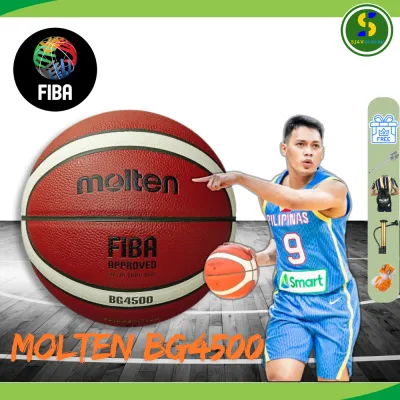
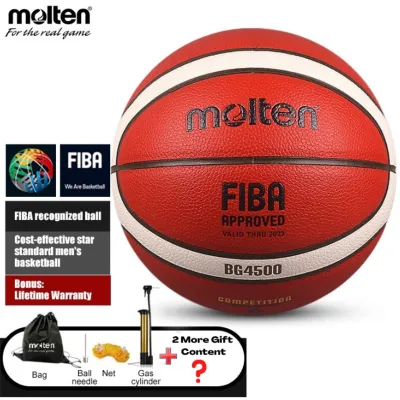
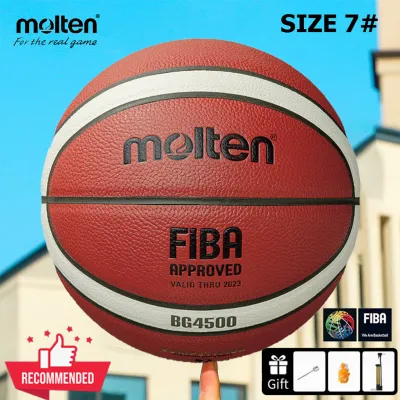
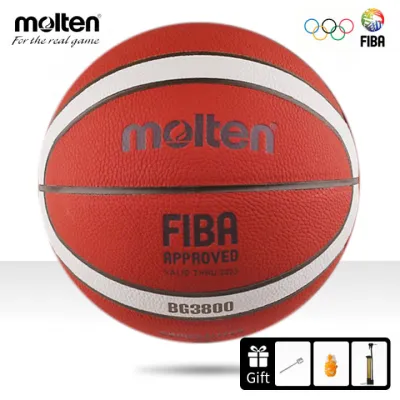
Prices are valid at publication and may change. Please refer to the product page for the latest price.

In the tropical climate of the Philippines, where high humidity and heat are constant factors, the materials used in fake basketballs degrade rapidly. Unregulated manufacturing processes often result in poor adhesive quality, leading to premature seam splitting, bubbling, and valve failures during intense games on concrete outdoor courts.
While a counterfeit ball might seem like a budget-friendly option initially, the frequent need for replacements quickly adds up. Purchasing a genuine ball ensures long-term durability and consistent performance, saving you money and frustration over time.
Step-by-Step Physical Inspection Guide
Conducting a thorough physical inspection is the most reliable way to distinguish a genuine Molten BG4500 from a high-quality counterfeit. To make this process as accurate as possible, it is highly recommended to have official product images from the manufacturer’s website or a known genuine ball on hand for direct comparison.
Your evaluation should follow a logical progression, starting from the external packaging and documentation before moving on to the tactile and visual details of the ball itself. By systematically checking each component, you can identify the subtle manufacturing flaws that counterfeiters often overlook.
Packaging, Labels, and Documentation
The inspection begins the moment the package arrives at your doorstep, as the quality of the packaging is a strong indicator of authenticity. Genuine Molten basketballs are shipped in sturdy, well-constructed cardboard boxes designed to protect the ball during transit, featuring sharp, high-resolution printing and accurate brand logos.
Box Construction: Examine the cardboard thickness and the alignment of the printed graphics. Counterfeit boxes often use flimsy, low-grade cardboard that easily dents, with blurry text or misaligned color layers.
Model Specifications: Verify that the model number, size, and barcode printed on the box match the specifications of the BG4500. Any discrepancies in font style, spelling errors, or incorrect product descriptions are immediate red flags.
Included Documentation: Look inside the packaging for official instruction manuals, inflation guides, or warranty cards. Genuine products typically include neatly folded, professionally printed documentation, whereas fakes may omit these entirely or include poorly translated sheets with noticeable grammatical errors.
Surface Texture, Seams, and Valve Details
Once the ball is out of the box, you can focus on the tactile and visual details of its construction, which require a high level of manufacturing precision that counterfeiters struggle to replicate.
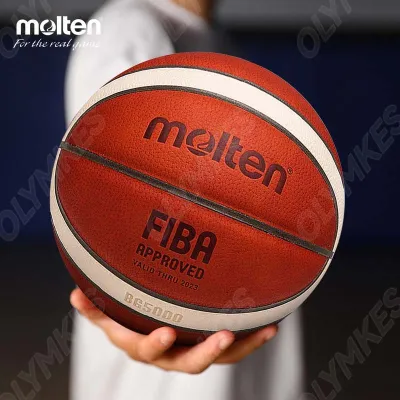
Pebble Grain Texture: The BG4500 is known for its premium composite leather surface, which should feel soft yet grippy. Inspect the pebble pattern closely; on a genuine ball, the pebbles are uniform, distinct, and provide a consistent feel across the entire surface, whereas fakes often feel plasticky, overly slick, or have unevenly distributed grain.
Seam and Channel Alignment: Examine the black channels that run across the ball. Genuine manufacturing ensures that these channels are deeply recessed, perfectly aligned, and free of excess adhesive. Counterfeit balls frequently show visible glue residue along the seams, uneven channel depths, or misaligned panels where the synthetic leather meets.
Valve Construction: Inspect the inflation valve area, which is a common failure point on counterfeit basketballs. The valve on an original ball is neatly integrated into the panel, with clean edges and clear, embossed text indicating the recommended inflation pressure. Fakes often have rough, off-center valve cutouts and blurry or missing pressure markings.
Logo Sharpness: Look closely at the printed Molten logo and the BG4500 model branding. The lettering on a genuine ball is sharp, perfectly aligned with the panels, and uses the brand’s exact proprietary fonts. Counterfeit logos may appear slightly distorted, have fuzzy edges, or use incorrect font weights.
Verifying Manufacturer Codes and Authenticity Tags
To combat the rise of sophisticated counterfeits, manufacturers implement unique tracking and verification systems that are difficult for unauthorized factories to replicate. Every genuine Molten BG4500 basketball features specific identification markings that you can use to verify its origin.
Locate the unique serial numbers, batch codes, or holographic authenticity stickers placed on the ball’s surface or attached to its packaging tags. These codes are typically printed near the valve or on the official product tag included in the box.
Once you find these codes, visit the official brand website or use authorized verification portals to cross-reference the numbers. A genuine code will register successfully in the manufacturer’s database, confirming the product’s authenticity and manufacturing batch.
However, you must remain cautious, as some advanced counterfeiters copy valid serial numbers from genuine balls and print them on multiple fake units. For this reason, a successful code verification should never be your sole proof of authenticity; it must always be combined with the physical and tactile checks outlined in this guide.
Choosing Reliable Purchasing Channels in the Philippines
The most effective way to avoid counterfeit basketballs is to be highly selective about where you shop. In the Philippines, the market is flooded with unauthorized sellers, making it crucial to prioritize official brand stores and authorized sporting goods retailers.
When shopping in physical retail locations, stick to recognized sports department stores and official distributors located in major shopping malls. These establishments source their inventory directly from the manufacturer, ensuring that every ball on display is genuine.
If you prefer to shop online, exercise extreme caution when navigating major e-commerce platforms and online marketplaces. Always check the seller’s profile for official mall badges, high positive ratings, and a long history of positive customer reviews. Read through the feedback section specifically looking for customer photos of the packaging and the ball’s details.
Be wary of listings on unverified social media pages or classified ads that offer the BG4500 at prices significantly below the standard market rate in ₱. If a deal seems too good to be true, it is highly likely that the seller is offering a counterfeit product made from inferior materials.
Steps to Take If You Receive a Suspected Fake
If you have completed your inspection and suspect that the basketball you received is a counterfeit, you must act quickly to protect your purchase and secure a refund. Do not inflate or play with the ball, as keeping it in pristine, unused condition is essential for a successful return process.
Begin by documenting all the discrepancies you have identified. Take clear, high-resolution photos and videos of the packaging, the blurry logos, the messy seams, and any code verification failures. This visual evidence will be critical when presenting your case to the seller or the platform’s customer support.
Contact the seller immediately to express your concerns and request a return. If the seller is uncooperative or refuses to assist you, escalate the issue by filing a formal dispute through the e-commerce platform’s customer protection program, attaching your documented evidence.
Finally, report the fraudulent listing and the seller’s account to the platform administrators. By reporting these unauthorized sellers, you help protect other basketball enthusiasts in the community from falling victim to the same counterfeit schemes.
Frequently Asked Questions (FAQ)
Can I rely solely on the price to identify a fake Molten BG4500?
No, you cannot rely solely on the price to determine authenticity. While an incredibly low price in ₱ is a clear warning sign, some sophisticated counterfeiters price their fake balls only slightly below the standard retail rate to make the listing appear legitimate. Always combine price evaluation with a thorough physical inspection of the ball and a check of the seller’s reputation.
Does a genuine Molten BG4500 always come with a pump and needle?
Not necessarily. The inclusion of accessories like a pump, needle, or carrying net depends entirely on the specific retailer’s promotional bundles and the manufacturer’s current packaging standards. To avoid disappointment, always read the product description carefully or contact the authorized seller directly to confirm exactly what items are included in your purchase.

Community discussion
Share your experience or ask a question. Comments are reviewed before publication.