
To run with an everyday carry (EDC) belt bag without a frustrating, rhythmic bounce, you must anchor the pack tightly against your pelvic shelf rather than your soft waist, balance the internal weight distribution, and lock down the strap tension. Running introduces multi-directional forces that easily displace loose gear. By understanding how your body moves and adjusting your pack to match your anatomy, you can transform a bulky utility bag into a stable running companion. Whether you are navigating the humid streets of Manila or training on coastal roads, a few deliberate adjustments will keep your essentials secure and your stride natural.
Understanding Why Belt Bags Bounce During Runs
During a run, your body moves through a complex gait cycle involving vertical oscillation and horizontal acceleration. Every foot strike sends an upward impact force through your legs to your torso, while your forward momentum shifts with each stride. An EDC belt bag, which carries dense items like keys, multi-tools, or a phone, reacts to these forces. If the bag is not anchored to a stable skeletal structure, it will lag behind your body’s movement, creating a secondary bounce that pulls at your waist and disrupts your rhythm.
Breathing further complicates this dynamic. As you inhale deeply during intense cardiovascular exercise, your abdomen and lower rib cage expand. If your belt bag is positioned too high on your natural waist, this expansion forces the strap to stretch or slide. When you exhale, the temporary slack allows the bag to slip downward or swing outward.
Products mentioned in this guide
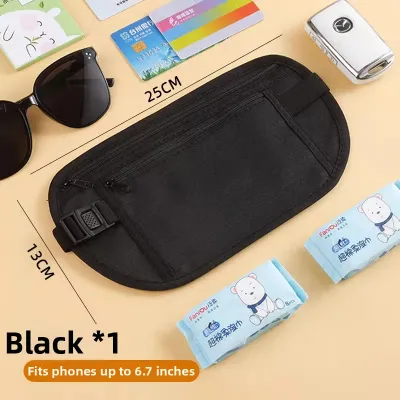
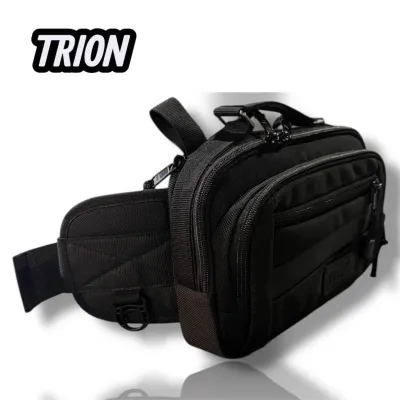
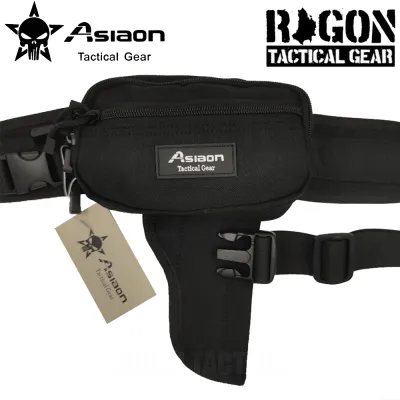
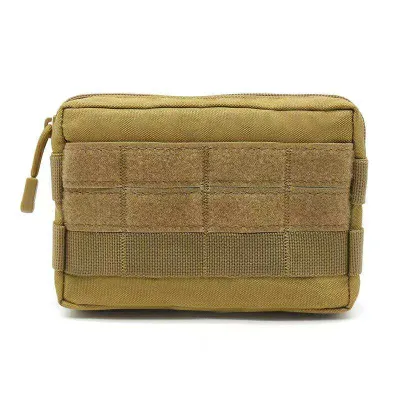
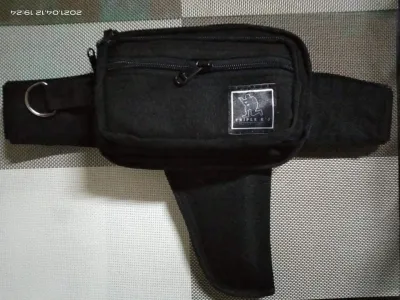
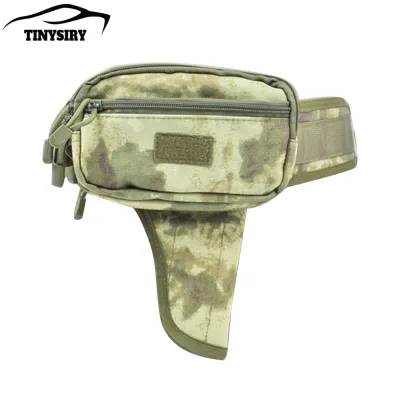
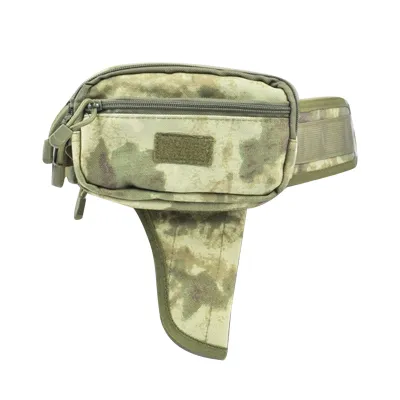
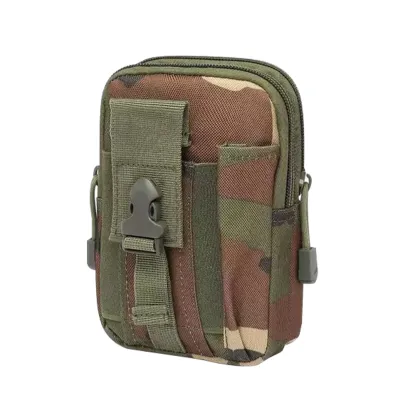
Prices are valid at publication and may change. Please refer to the product page for the latest price.
Furthermore, many standard utility straps lack the specialized high-friction weave or elastic tensioners found on dedicated running belts. Under the repetitive stress of running, smooth nylon webbing easily slips through plastic tension buckles. This micro-slippage gradually loosens the fit over the first few kilometers, turning a snug setup into a swinging distraction.
Optimal Positioning for Your EDC Belt Bag
Finding the right spot on your torso is the most critical step in eliminating bounce. While casual users often wear belt bags loosely around the waist or slung across the chest, running requires a precise skeletal anchor. The most stable position for a running belt bag is low on the hips, resting directly on the iliac crest—the bony shelf of your hip bones. This placement anchors the weight to your pelvis, which experiences far less vertical movement than your upper torso.

When choosing between front, side, or back placement, consider your body’s natural mechanics. Wearing the bag directly over your lower back or sacrum is generally the most stable option for long, straight runs. This position aligns the load with your center of gravity and keeps your front clear for a natural forward lean. However, if you need quick access to items or are running in crowded urban areas where you must monitor your gear, a front-facing position just below the belly button is a viable alternative.
Avoid placing a heavy bag directly on your side. Side placement disrupts your lateral balance, causes the bag to swing with your leg movement, and often interferes with your natural arm swing. Your elbows should clear the bag easily without friction. If you feel your forearms or hands brushing against the pack with every stride, shift the bag slightly toward your spine or center-front until your arm path is completely unobstructed.
Step-by-Step Adjustment Techniques for a Secure Fit
To achieve a truly bounce-free fit, follow a systematic adjustment routine before you take your first step. Start by threading the strap correctly through all friction points. Many EDC bags feature plastic keepers or dual-loop sliders designed to hold loose strap ends. Ensure the webbing passes through these keepers flatly, without twists, as any twist reduces the surface area contact inside the buckle and accelerates slippage under tension.
Once the strap is threaded, put the bag on and position it over your hips. Lean forward slightly to relax your abdominal muscles, then pull the adjustment straps outward and backward simultaneously. This dual-pull action distributes tension evenly across your lower back and hips. Tighten the belt until it feels snug but does not pinch your skin or restrict your deep diaphragmatic breathing.
After securing the main buckle, address the excess webbing. Loose, flapping straps are not just an aesthetic issue; they create uneven weight distribution and can snag on your clothing or hands. Fold the excess strap length and slide it securely under the elastic keepers. If your bag lacks built-in keepers, you can use heavy-duty elastic bands or hook-and-loop tape to lock the loose ends flat against the main belt.
Finally, check the position of the main buckle. Avoid placing the hard plastic buckle directly over your spine, hip bones, or the front of your pelvis. The constant pressure and friction of running can quickly turn a minor pressure point into a painful bruise or raw chafe mark. Position the buckle slightly off-center, resting against the softer muscular tissue of your flank or lower abdomen, where your clothing provides a protective barrier.
Managing Load and Weight Distribution
How you pack your EDC belt bag is just as important as how you wear it. A poorly packed bag with loose, shifting contents will bounce even if the strap is pulled tight. When organizing your gear, always place the heaviest items—such as your phone, a compact multi-tool, or a small wallet—closest to your body. Positioning these dense objects against the back panel of the bag minimizes the leverage they have to pull the pack away from your hips.
Use the bag’s internal compartments, mesh pockets, or small organizer pouches to immobilize loose items. Keys, coins, and loose tools should never be allowed to slide freely inside a large main compartment. Not only does this shifting mass create an annoying rhythm that mimics a bounce, but it also shifts the bag’s center of gravity with every step. If your bag lacks internal dividers, wrap loose items in a small microfiber cloth or place them in a zip-top bag to pack out the empty space and dampen movement.
If your belt bag features a wide, asymmetrical design or side-loading pockets, balance the weight evenly across the horizontal axis. A heavy load concentrated on one side of the bag will cause the belt to tilt, leading to uneven strap tension and localized chafing.
Keep in mind that every strap width has a practical weight limit. A standard 1-inch nylon strap is highly susceptible to cutting into your waist and bouncing when loaded with more than a few hundred grams of gear. For heavier everyday carry setups, look for bags with wider straps—ideally 1.5 to 2 inches—or integrated padded wings that distribute the load over a larger surface area.
Troubleshooting Common Fit Issues
Even with careful preparation, you may encounter fit issues during a run. If you notice the strap gradually loosening as you run, inspect the buckle and webbing texture. Sweat and humidity can lubricate nylon straps, making them slide through plastic tensioners more easily. To temporarily fix this on the road, tie a simple overhand knot with the excess webbing directly behind the adjustment buckle to act as a physical stopper.
If the bag consistently rides up from your hips toward your natural waist, the belt is likely too loose or positioned at the wrong angle. Try angling the belt slightly downward in the front and upward in the back, matching the natural slope of your pelvis. This tilt helps the bag wedge itself onto your hip bones, preventing upward migration.
Skin chafing is another common issue, especially in hot, humid tropical climates where sweat softens the skin. Never wear a heavy nylon strap directly against bare skin. Always position the belt over a moisture-wicking running shirt or high-waisted shorts. If you feel a hot spot developing, stop immediately and adjust the bag’s position. Applying a small amount of anti-chafing balm to your hips and lower back before your run can also prevent friction damage.
Finally, remember to adapt your fit when transitioning between different clothing setups. A belt adjusted perfectly over a thin, lightweight running singlet will feel loose and unstable if worn over a thicker windbreaker or rain jacket during the wet season. Re-evaluate the tension and buckle placement every time you change your running layers to ensure a consistent, secure ride.
Frequently Asked Questions (FAQ)
Can I wear an EDC belt bag over a running jacket?
Yes, you can wear an EDC belt bag over a running jacket, but you must adjust the strap length to accommodate the extra fabric. Avoid over-tightening the belt, which can compress the jacket’s insulation or restrict your movement. Ensure the bag sits securely below the jacket’s hem or flat against your lower back to prevent the jacket from bunching up and pushing the bag upward as you run. Always check that you can easily access the bag’s zippers and your jacket’s pockets without struggling against the strap.
How tight should the belt be for long-distance running?
For long-distance running, the belt should be snug enough to prevent movement but loose enough to allow full diaphragmatic breathing. Use the two-finger rule: you should be able to slide two fingers flat between the strap and your body without straining. As you run longer distances, your torso will naturally expand with deeper breathing, and your muscles may swell slightly. If you feel any pinching, restricted breathing, or a throbbing sensation around your hips, stop and loosen the strap slightly to restore proper circulation.
Does the width of the strap affect stability?
Yes, strap width directly impacts the stability of your belt bag. A wider strap distributes the weight of your everyday carry items over a larger surface area, reducing localized pressure points and minimizing the bag’s tendency to bounce. Narrow straps concentrate the load, which can cause the belt to cut into your waist and slip more easily under the weight of heavy items. For running with a fully loaded EDC bag, a wider strap or a bag with padded hip wings offers significantly better stability and comfort.

Community discussion
Share your experience or ask a question. Comments are reviewed before publication.