
Wrapping a badminton cushion grip properly requires starting at the butt cap, maintaining consistent tension to prevent bunching, overlapping the edges uniformly, and securing the top with finishing tape. This simple modification transforms how your racket feels, dampening vibrations and giving you a secure hold during fast-paced rallies. Whether you are a casual weekend player or a competitive athlete training in local clubs, mastering this technique ensures your hands remain comfortable and your shots stay precise.
In tropical climates like the Philippines, where high humidity and intense heat are part of every match, grip maintenance is even more critical. Sweat can quickly saturate an old or poorly wrapped grip, causing the racket to slip during a crucial smash or defensive clear. A high-quality cushion wrap acts as an ergonomic barrier, absorbing shock and moisture while allowing you to maintain a relaxed, controlled hold on your racket handle.
Tools and Materials You Need Before Starting
Before you begin the wrapping process, gathering the correct tools will help you avoid interruptions and ensure a clean, professional finish. Having everything laid out on a clean table makes the application much smoother and prevents the grip from unraveling while you search for supplies.
Products mentioned in this guide
![[COD] SAjeNH SPORT Badminton Grip Cushion Wrap 3 6 7cm Width Excellent Shock Absorption Tennis Racket Grip Tape Backing Film](https://img.lazcdn.com/g/p/5a778688bd9bda165730746a78855046.jpg_400x400q80.jpg_.webp)
![[COD] SHPYHT SPORTS Badminton Grip Cushion Wrap 3 6 7cm Width Excellent Shock Absorption Tennis Racket Grip Tape Backing Film](https://img.lazcdn.com/g/p/e95861492dbb389c0c8022d6743011f4.jpg_400x400q80.jpg_.webp)
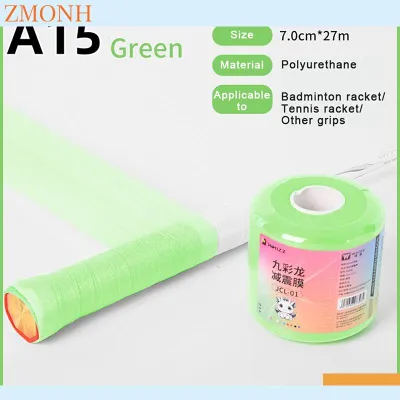
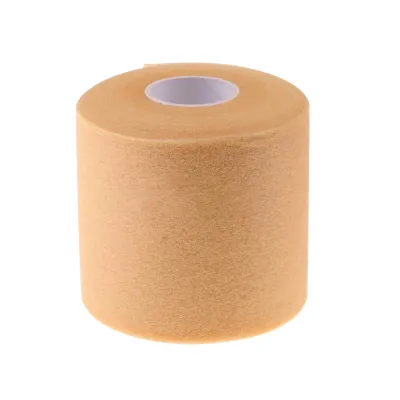
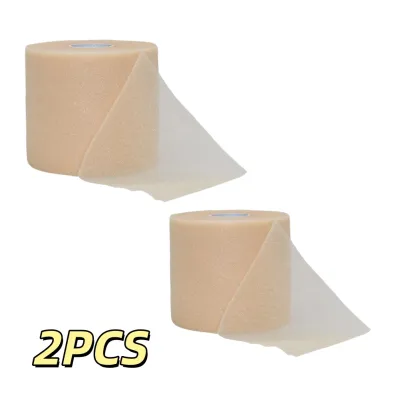
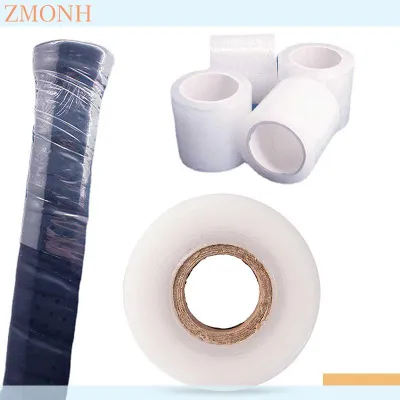
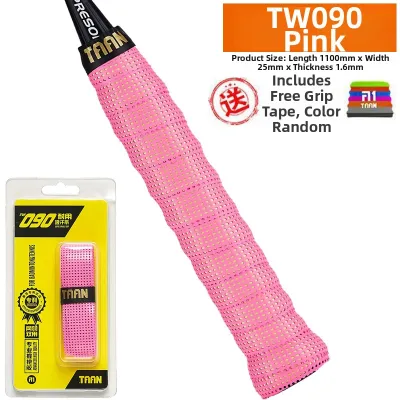
Prices are valid at publication and may change. Please refer to the product page for the latest price.
First, you will need your chosen badminton cushion wrap. These wraps are typically made of polyurethane or specialized foam designed to absorb vibrations and provide a soft, tactile surface. Most packages include a strip of adhesive finishing tape, which is essential for securing the top of the wrap near the racket cone.
Next, keep a pair of sharp scissors nearby. Dull scissors can fray the edges of the grip material when you make the final angled cut, leading to an untidy finish that can easily unravel during play. A clean, precise cut is necessary to ensure the grip sits flush against the handle.
Finally, prepare a clean, dry towel and some rubbing alcohol. These are used to prep the wooden handle of your racket, removing any sweat, dirt, or old adhesive residue left behind by your previous grip. Starting with a pristine surface ensures the new wrap adheres firmly and stays in place.
Preparing the Racket Handle for a Secure Base
A successful grip application depends heavily on the preparation of the underlying handle. Applying a new cushion wrap over a dirty, uneven, or damp base will inevitably lead to slipping, bunching, and premature wear.

Begin by carefully peeling off the old grip. If you are replacing a thick factory grip, strip it down completely until the bare wooden handle is exposed. Be gentle when removing the old material to avoid pulling up splinters from the wood, which can weaken the handle structure over time.
Once the old grip is removed, you may find a layer of plastic shrink wrap covering the wood. If you are applying a direct replacement cushion wrap, it is highly recommended to peel this plastic off. Removing the plastic allows the adhesive backing of the new wrap to bond directly with the wood, preventing the grip from twisting or sliding during high-speed swings.
After stripping the handle, inspect the wood for any signs of moisture damage, mold, or deep cracks. In humid environments, sweat can seep through porous grips and accumulate on the wood, leading to rot if left unchecked. Wipe the handle thoroughly with a dry cloth, and use a small amount of rubbing alcohol to dissolve any stubborn adhesive residue. Allow the wood to dry completely before proceeding.
Step-by-Step Guide to Wrapping the Cushion Grip
Applying the cushion wrap requires a steady hand, consistent tension, and careful alignment. By following a systematic approach, you can achieve a smooth, professional wrap that enhances your control and comfort on the court.
To start, hold the racket upside down with the head resting securely against your leg or under your arm, leaving both of your hands free to manipulate the grip. Locate the tapered end of the cushion wrap, which usually features a small adhesive strip. Place this tapered end flat against the very bottom of the handle, right at the edge of the butt cap.
Anchor the first turn by wrapping the material completely around the butt cap once. This initial loop must be firm and flat, as it serves as the foundation for the rest of the wrap. Press the material down firmly to ensure the adhesive bonds securely to the plastic cap, preventing the grip from sliding upward when you play.
As you begin to wrap diagonally upward, focus on maintaining consistent tension. Pull the grip material with steady, moderate force. You want to stretch the polyurethane slightly so it conforms smoothly to the octagonal bevels of the wooden handle. Avoid pulling too hard, as this can tear the foam or thin out the cushioning layer, defeating the purpose of the wrap. Conversely, wrapping too loosely will create air pockets and cause the grip to bunch up during intense rallies.
Managing the overlap is the most critical step for achieving an even texture. Most cushion wraps feature a tapered edge or a subtle guide line to help you maintain spacing. Overlap the previous layer by approximately 2 to 3 millimeters. Keep this overlap uniform all the way up the handle. If you overlap too much, the grip will become excessively thick and round, hiding the handle’s bevels and reducing your control. If you overlap too little, you may leave gaps that expose the bare wood underneath.
Continue wrapping diagonally upward, slowly rotating the racket handle with one hand while guiding and tensioning the grip with the other. Keep your thumb pressed against the newly wrapped section to prevent it from unraveling if you lose your grip. Stop wrapping once you reach the top of the handle, just below the plastic cone that transitions into the racket shaft.
Finishing the Wrap and Securing the End
The way you finish the wrap determines how long it will stay secure without peeling or unraveling at the top. A clean, professional finish not only looks great but also prevents sweat from seeping under the edges during play.
Once you reach the top of the handle, hold the grip firmly against the wood to keep the tension secure. Do not simply wrap the remaining material in a bulky clump around the cone. Instead, use your sharp scissors to cut the grip diagonally. Start the cut from the top edge and angle it downward, creating a straight, tapered end that wraps perfectly flat around the handle.
Next, take the finishing tape included in your grip package. If the package did not include tape, a high-quality electrical tape works as an excellent substitute. Wrap the tape tightly around the tapered end of the grip, overlapping the plastic cone slightly to create a seamless transition.
Pull the finishing tape firmly as you wrap it around the handle two to three times. This tension ensures a tight, waterproof seal that prevents sweat from loosening the adhesive. Press the end of the tape down smoothly to complete the application.
Finally, run your hand up and down the finished grip. Squeeze the handle to check for any soft spots, uneven ridges, or loose edges. You should still be able to feel the distinct bevels of the racket handle through the cushion wrap, which is essential for quick grip transitions between forehand and backhand shots.
Common Wrapping Mistakes and How to Avoid Them
Even experienced players can make mistakes when wrapping a cushion grip. Recognizing these common errors will help you troubleshoot your technique and ensure your grip lasts as long as possible.
One of the most common mistakes is wrapping the material too loosely. When the grip is loose, the friction from your hand during quick swings will cause the material to shift, slide, and bunch up. This not only ruins the feel of the racket but can also cause the racket to slip out of your hand entirely, risking damage to your frame or injury to other players.
Another frequent error is creating inconsistent overlaps. If you do not maintain a uniform overlap, you will end up with thick ridges and thin valleys along the handle. These uneven surfaces create friction points against your palm, which can quickly lead to painful blisters during long training sessions or matches in hot, humid conditions.
Ignoring the backing paper or protective film is another oversight that can ruin a new grip. Many cushion wraps come with a thin plastic film on the outer surface to protect the tackiness, as well as a paper backing over the adhesive strip. Failing to peel these off as you wrap prevents the grip from adhering properly, leading to immediate slippage and a frustrating playing experience.
Lastly, wrapping the grip too thickly can severely impact your performance. While a thicker grip might feel comfortable initially, it turns the octagonal handle into a perfect cylinder. This round shape deprives you of the tactile feedback needed to know where your racket face is pointing, making precise slice shots and quick defensive reactions much more difficult.
Maintaining Your Cushion Grip for Longer Lifespan
Proper maintenance is key to extending the lifespan of your cushion grip, especially when playing in warm, humid environments. A well-maintained grip retains its tackiness, cushioning, and hygiene for a much longer period.
After every playing session, make it a habit to wipe down your grip with a dry microfiber towel. This simple step removes accumulated sweat, skin oils, and court dust that can degrade the polyurethane material. Avoid putting your racket directly into a closed bag while the grip is still damp, as this creates a breeding ground for bacteria and mold.
Store your racket in a cool, dry place away from direct sunlight. Leaving your racket bag in the trunk of a car or near a hot window can cause the adhesive on the grip to melt or become gooey. Extreme heat also dries out the polyurethane foam, making the cushioning material brittle, crumbly, and prone to tearing.
Regularly inspect your grip for observable signs of wear. If you notice the cushion flattening out, the surface losing its tackiness, or the edges beginning to peel and fray, it is time for a replacement. Spending a small amount, typically between ₱100 and ₱300, on a fresh cushion wrap is a worthwhile investment to maintain your comfort, control, and overall enjoyment on the court.
Frequently Asked Questions (FAQ)
Should I remove the original plastic wrap before applying a cushion grip?
Yes, it is highly recommended to remove the factory plastic wrap before applying a replacement cushion grip directly to the wooden handle. Removing the plastic allows the adhesive backing of the new cushion wrap to bond securely with the wood, creating a stable foundation that prevents the grip from twisting or sliding during high-impact swings.
If you are applying a thin overgrip and wish to preserve the original factory grip underneath, some players choose to keep the plastic on to prevent sweat from soaking into the base. However, for a dedicated cushion wrap applied directly to the handle, removing the plastic ensures the best adhesion, structural integrity, and tactile feedback of the handle’s bevels.
How often should I replace my badminton cushion wrap?
There is no fixed calendar timeline for replacing your cushion wrap, as it depends heavily on your play frequency, sweat levels, and storage conditions. Casual players who play once a week may only need to replace their grip every few months, while competitive players training multiple times a week in humid conditions may need a fresh wrap every three to six weeks.
Instead of relying on a calendar, look for tactile and visual indicators of wear. If the grip feels hard and compressed, loses its tackiness, develops a slippery texture, or begins to emit a musty odor from sweat buildup, it is time to replace it. Keeping a fresh grip ensures optimal shock absorption and prevents hand fatigue during intense matches.

Community discussion
Share your experience or ask a question. Comments are reviewed before publication.