
Wrapping a badminton racket overgrip is a fundamental maintenance skill that directly impacts your control, comfort, and shot accuracy on the court. A fresh overgrip provides the necessary friction to prevent the racket from slipping during high-velocity smashes, especially in hot and humid climates where hand sweat is inevitable. By mastering the correct wrapping technique, you can customize the handle’s thickness, improve shock absorption, and maintain a reliable hold throughout intense rallies.
An overgrip is a thin layer of polyurethane or similar synthetic material wrapped over the racket’s original base grip. Unlike the thicker base grip, an overgrip is designed to be replaced frequently to maintain optimal tackiness and moisture absorption. Whether you are a casual player enjoying weekend games or a competitive athlete training daily, knowing how to apply this layer correctly ensures your equipment works with your hands rather than against them.
Preparing Your Racket and Materials
Before you begin wrapping, you must prepare a clean, stable foundation on your racket handle. Start by carefully peeling away the old, worn-out overgrip. If the previous grip used adhesive finishing tape at the top, gently peel it off from the plastic cone, taking care not to scratch the racket’s paint or damage the underlying base grip.
Products mentioned in this guide
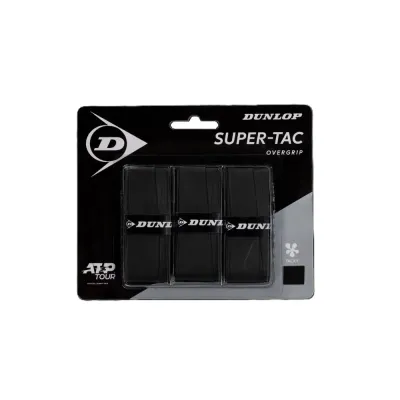
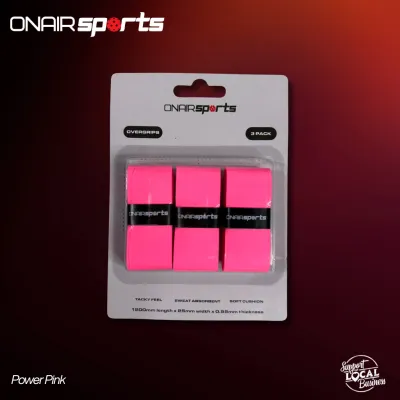
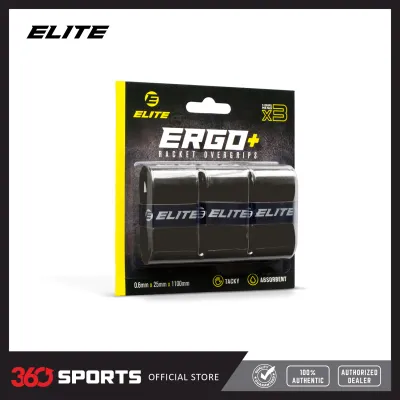
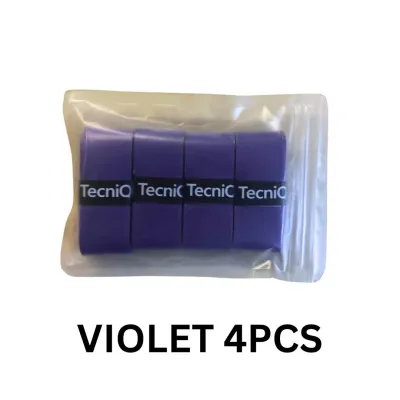
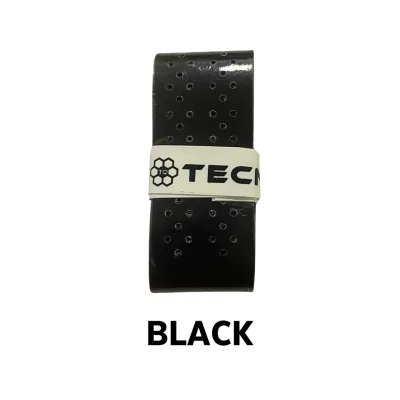
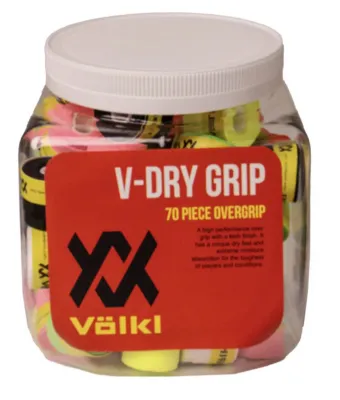
Prices are valid at publication and may change. Please refer to the product page for the latest price.
Once the old overgrip is removed, inspect the underlying base grip. Use a dry or slightly damp microfiber cloth to wipe down the surface, removing any accumulated dust, adhesive residue, or dried sweat. If the base grip is crumbling, sticky, or emitting a sour odor from absorbed sweat, it should be completely replaced before you attempt to wrap a new overgrip over it. Wrapping over a compromised base grip will result in an uneven feel and can harbor bacteria.
Next, gather your wrapping essentials so they are within arm’s reach. You will need your new overgrip package, the included strip of adhesive finishing tape, and a pair of sharp household scissors. Unroll the new overgrip and locate the tapered end, which typically features a small peel-off adhesive backing. Remove any protective plastic film covering the main surface of the overgrip before you begin.
Step-by-Step Guide to Wrapping the Overgrip
To begin, hold your badminton racket upside down with the head resting securely against your leg or a stable surface, leaving both hands free. Locate the tapered end of the overgrip, which is the narrow, angled starting point. Peel off the small paper backing from the adhesive patch on this tapered end to anchor the material.

Place the adhesive side of the tapered end firmly against the bottom of the racket handle, right at the edge of the butt cap. Align the straight edge of the taper with the bottom rim of the cap. Press it down firmly with your thumb to ensure a secure bond, preventing the grip from unraveling under twisting forces during play.
Begin rotating the racket slowly with one hand while using your other hand to guide the overgrip around the base. Your first full turn should wrap completely around the butt cap, covering the starting taper entirely. This initial double-layer wrap creates a secure foundation and prevents the bottom of the grip from sliding upward.
Once the base is secured, start winding the overgrip upward toward the shaft at a slight diagonal angle. Maintain consistent, moderate tension. Pulling too tightly stretches and thins the polyurethane, reducing cushioning and sweat absorption. Conversely, wrapping too loosely creates air pockets and loose folds that slip during quick defensive transitions.
Aim for a consistent overlap of approximately one to two millimeters as you move up the handle. This ensures the handle remains uniform in thickness. Use your thumb and index finger to smooth down the material as it meets the handle, pressing out any potential wrinkles or air bubbles.
As you approach the top of the handle where the wooden grip meets the plastic cone, you will have excess material. To achieve a clean finish, do not simply wrap the excess over itself, as this creates an awkward bulge. Instead, hold the overgrip flat and use sharp scissors to cut it at a diagonal angle.
The diagonal cut should mirror the angle of your wrap, allowing the cut edge to align perfectly with the top edge of the handle. This ensures the final turn wraps flat without any overlapping corners sticking out. Hold this cut end firmly in place while you prepare the finishing tape.
Securing and Finishing the Grip
With the cut end of the overgrip held securely against the top of the handle, pick up the adhesive finishing tape that came with your grip package. Peel off the protective backing to expose the adhesive side. Position the start of the finishing tape directly over the cut edge of the overgrip, ensuring it covers both the grip material and a small portion of the plastic cone to create a secure seal.
Wrap the finishing tape around the handle, keeping it flat and smooth. Do not stretch the finishing tape excessively as you apply it; pulling it too tight can cause the adhesive to fail over time, or cause the tape to snap under the natural flexing of the racket shaft. A firm, gentle wrap with minimal tension is sufficient to keep the overgrip anchored.
Once the tape is fully wrapped, press down along its entire length with your thumb to activate the pressure-sensitive adhesive. Inspect the top edge carefully to ensure there are no loose flaps, exposed adhesive, or uneven edges. If any part of the overgrip is left unsecured, the friction from your hand during quick grip transitions can cause the top section to unravel mid-game.
Finally, hold the racket in your playing hand and perform a few gentle dry swings to test the overall feel. Pay attention to the thickness, tackiness, and the definition of the handle’s bevels. If the grip feels uneven, lumpy, or too thick, do not hesitate to unwrap the overgrip down to the base and re-wrap it with adjusted tension and overlap.
Common Wrapping Mistakes and How to Avoid Them
One of the most frequent errors players make is wrapping the overgrip with insufficient tension. When the material is applied too loosely, the friction from your palm during powerful overhead clears or quick defensive blocks will cause the grip to shift, bunch up, or slide down the handle. To avoid this, always maintain a steady, gentle pull on the strip as you rotate the racket, ensuring it conforms snugly to the flat bevels of the handle.
Another common mistake is overlapping the overgrip too much during the winding process. While a larger overlap might seem like an easy way to add extra cushioning, it makes the handle excessively thick and round. This roundness obscures the racket’s bevels, making it difficult for your fingers to intuitively feel the angle of the racket face, which can lead to misdirected shots and poor control.
Conversely, stretching the overgrip too aggressively is equally detrimental. Excessive stretching thins out the synthetic material, stripping away its built-in cushioning properties and reducing its ability to absorb sweat. This not only makes the handle feel harsh and unforgiving on impact but also significantly shortens the lifespan of the overgrip, causing it to tear or wear through prematurely.
Lastly, failing to cut the top of the overgrip at a diagonal angle often results in an untidy, bulky finish. A blunt, straight cut leaves a thick corner of material that is difficult to secure flatly with finishing tape. Over time, this raised corner will catch on your fingers or your racket bag, peeling back the finishing tape and causing the entire wrap to unravel from the top down.
When to Replace Your Overgrip
Knowing when to replace your overgrip is essential for maintaining consistent performance and preventing hand fatigue. The most obvious indicator is a visible loss of tackiness or texture. When the surface of the overgrip becomes smooth, slick, or shiny, it can no longer provide the friction needed to keep the racket secure in your hand, forcing you to squeeze harder and risking wrist strain.
Physical wear is another clear sign that a replacement is overdue. Look for peeling edges, frayed fibers, or worn-through spots where the underlying base grip is starting to show. Additionally, in tropical environments like the Philippines, high humidity and heavy sweating accelerate the accumulation of dirt, oils, and bacteria on the grip, leading to discoloration and unpleasant odors.
Your playing frequency and personal sweat levels should dictate your replacement schedule. Players who train multiple times a week in warm, humid conditions may need to change their overgrip every one to two weeks to maintain optimal performance. Casual players who play less frequently might only need a replacement every few months, or whenever the grip begins to feel dry and slippery.
Do not forget to evaluate the condition of the underlying base grip during each overgrip change. While overgrips protect the base layer, the base grip itself will eventually lose its elasticity, compress flat, or absorb deep-seated sweat that bypasses the overgrip. If the handle feels unusually hard, lacks shock absorption, or retains a persistent odor even after applying a fresh overgrip, it is time to replace the base grip entirely.
Frequently Asked Questions (FAQ)
Should I wrap the overgrip over the original base grip?
Yes, overgrips are specifically designed to be applied directly over the factory-installed base grip. The base grip provides the essential underlying cushion and defines the handle’s bevels, while the overgrip acts as a thin, replaceable outer layer that manages sweat and tackiness. You should only remove the base grip if you prefer an extremely thin handle, or if the base grip itself has become severely damaged, compressed, or dirty over time.
How do I choose the right overgrip thickness?
Choosing the right overgrip thickness depends on your hand size, comfort preferences, and playing style. Thinner overgrips (typically around 0.4mm to 0.6mm) preserve the sharp edges of the handle’s bevels, allowing for precise finger control and quick grip transitions. Thicker overgrips (0.7mm and above) offer superior shock absorption and cushioning, which can help reduce hand fatigue during long sessions, though they will make the handle feel slightly rounder.
Can I reuse an overgrip after taking it off?
Reusing an overgrip is generally not recommended for optimal performance. Once an overgrip has been wrapped, stretched, and exposed to sweat, the material loses its elasticity and tackiness. When you attempt to re-wrap a used overgrip, it will often feel stiff, fail to conform smoothly to the handle’s bevels, and slip easily during play. For the best control and hygiene, it is always best to install a fresh, unused overgrip.

Community discussion
Share your experience or ask a question. Comments are reviewed before publication.