
Wrapping your badminton grip tape correctly ensures better racket control, sweat absorption, and comfort during intense rallies. In hot and humid tropical climates, a secure grip is the primary line of defense against a slipping racket, which can ruin a shot or even damage your equipment. By mastering this simple maintenance skill, you can customize the handle thickness to match your hand size, improve shock absorption, and maintain consistent shot accuracy. This step-by-step guide covers everything from preparing the wooden handle to securing the final wrap, giving you the practical knowledge needed to keep your gear in peak playing condition.
Preparing Your Racket and Materials
Before applying a new layer of badminton grip tape, you must prepare the racket handle to ensure a smooth, secure application. Failing to clean the handle can cause the new tape to slip, bunch up, or wear out prematurely. Start by peeling off the old overgrip or worn-out replacement grip entirely. If you are applying an overgrip, inspect the underlying base grip to ensure it is still intact, dry, and free of deep tears or mold.
If the old grip left sticky adhesive residue on the wooden handle or the base grip, wipe it clean. For bare wood handles, you can gently rub away residue with a dry cloth or a lightly damp microfiber towel, ensuring the wood dries completely before proceeding. Moisture trapped under a grip can rot the wooden handle over time, leading to structural failure during a hard smash.
Products mentioned in this guide
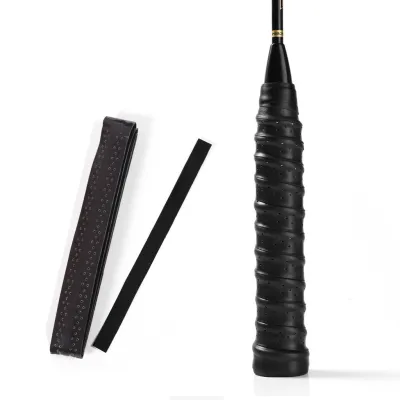
![[ Buy 2 Take 2 ] Yonex AC102EX Overgrip Yonex Thin Grip Belt Pickleball Tennis Badminton Racket Sweat-absorbent Belt Feather Racket Wrapped Belt Hand Rubbe Tennis Badminton Overgrip Grips Tapes](https://img.lazcdn.com/g/p/cf3d0be0e804a079d742737a426c4aee.jpg_400x400q80.jpg_.webp)
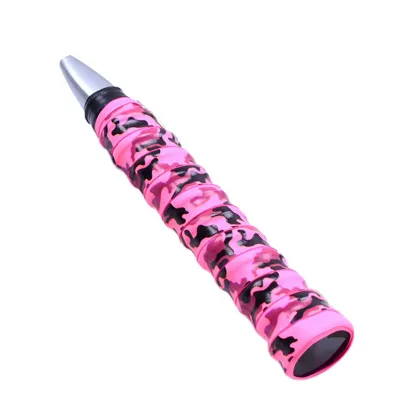
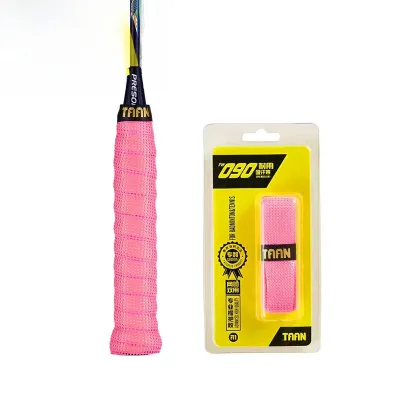
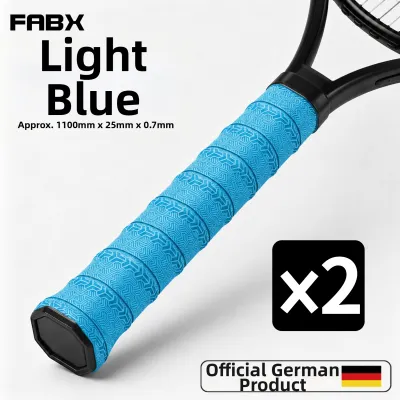
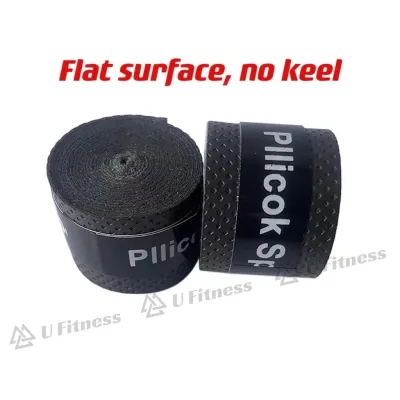
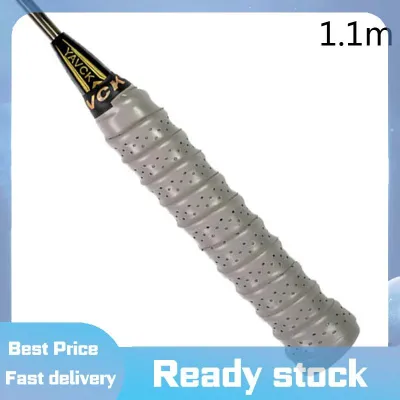
Prices are valid at publication and may change. Please refer to the product page for the latest price.
Next, unroll your new badminton grip tape and identify its two distinct ends. One end is typically tapered and features a small adhesive tab covered by a protective plastic strip; this is your starting point. The other end is straight and is meant to be trimmed and secured at the top of the handle near the cone. Lay out your materials on a clean, flat surface, and keep a pair of sharp scissors and the included finishing tape within arm’s reach.
Step-by-Step Guide to Wrapping the Grip
Applying badminton grip tape requires a balance of steady tension and coordinated hand movement. If you pull the tape too hard, you will overstretch the material, stripping away its cushioning and reducing its ability to absorb sweat. Conversely, wrapping too loosely will cause the grip to shift, slide, or unravel after just a few games.

To maintain control throughout the process, hold the racket head or shaft firmly with your non-dominant hand. You will use this hand to slowly rotate the racket as you progress up the handle. Use your dominant hand to pull the grip tape taut, guiding its angle and ensuring it lays flat against the handle surface. This division of labor keeps the application uniform and prevents the tape from twisting.
Anchoring the Tape at the Base
Begin by peeling the protective film off the small adhesive tab on the tapered end of the grip tape. Place this adhesive start point at the very bottom of the racket handle, aligning it with the edge of the plastic butt cap. It is crucial to anchor this first turn securely, as the entire stability of the wrap depends on this foundation.
Wrap the first layer completely around the base cap in a straight, horizontal line. Ensure this initial turn covers the bottom edge fully without spilling over the very end of the butt cap, which could cause the tape to peel when you hold the racket. The tape should lay flat against the underlying surface without any wrinkles or air bubbles.
Once you complete one full horizontal rotation and return to the starting point, begin angling the tape slightly upward. This transition initiates the spiral pattern that will carry the tape up the length of the handle. Keep the tension firm during this transition to prevent the angled edge from slipping out of place.
Overlapping and Winding Up the Handle
As you wind the tape up the handle, maintain a consistent overlap width to ensure a uniform feel. Most high-quality badminton grip tapes feature subtle guide lines or physical ridges along the edges to help you gauge the overlap. A standard overlap of about two to three millimeters is generally recommended for a balanced feel.
If you prefer a thicker grip with more pronounced ridges for finger placement, you can increase the overlap slightly. Conversely, if you have smaller hands or prefer a thinner handle for quick finger transitions, keep the overlap minimal. Be mindful of the flared base at the bottom of some racket handles; you may need to adjust the wrapping angle slightly around this contour to keep the tape flat.
Inspect the handle continuously as you wind upward to ensure there are no gaps or exposed sections of the underlying wood or base grip. Any exposed areas will quickly absorb sweat, leading to wood rot or a rapid breakdown of the base material. If you spot a gap or an uneven ridge, simply unwind the tape a few turns, adjust your angle, and wrap it again with consistent tension.
Trimming and Securing the Finish
Once you reach the top of the handle where the wooden grip meets the plastic cone, you must trim the excess tape to create a clean, professional finish. Do not simply wrap the remaining tape straight around the top, as this creates an unsightly, bulky bulge. Instead, hold the tape flat against the cone and mark a diagonal line that aligns with the top edge of the handle.
Use your scissors to cut along this diagonal line, creating a tapered end that wraps flush around the top of the handle. This diagonal cut ensures that the final turn of the grip tape forms a perfect, flat ring around the cone. Hold this trimmed end firmly in place with your thumb so it does not unravel while you prepare the finishing tape.
Wrap the provided adhesive finishing tape tightly around this top edge, overlapping both the grip tape and a small portion of the plastic cone. If the included finishing tape is too short or lacks strong adhesive, high-quality black electrical tape serves as an excellent, durable alternative. Finally, squeeze the entire handle firmly with your hand, checking for any loose spots, air pockets, or uneven bumps that might affect your hold during play.
Common Wrapping Mistakes to Avoid
One of the most common mistakes players make is stretching the grip tape too tightly during application. While tension is necessary to keep the tape secure, excessive pulling thins out the polyurethane or towel material. This drastically reduces its shock absorption capabilities, making your racket feel harsh on impact and increasing the risk of the tape tearing prematurely during intense play.
On the other hand, leaving the tape too loose is equally problematic. A loose grip tape will shift, wrinkle, or bunch up under the friction of your palm, especially during rapid defensive transitions or hard smashes. This shifting not only ruins your control but can also cause painful friction blisters on your fingers and palm.
Inconsistent overlapping is another frequent error that compromises both comfort and performance. If your overlap varies wildly from the bottom to the top, you will end up with uncomfortable ridges and flat spots that disrupt your finger placement. Furthermore, inconsistent wrapping often leaves tiny gaps that expose the underlying handle to sweat, accelerating the degradation of your racket’s wooden core.
Knowing When to Replace Your Badminton Grip Tape
Knowing when to replace your badminton grip tape is essential for maintaining optimal performance and hygiene. Visually, you should inspect your grip regularly for signs of physical wear. Look for peeling edges, fraying fibers, visible tearing near the thumb position, or severe discoloration caused by dirt and sweat accumulation.
Beyond visual cues, pay close attention to how the grip feels in your hand during play. If you notice a significant loss of tackiness, or if the racket starts to slip when your hands sweat, the grip has reached the end of its lifespan. Additionally, if the cushioning feels completely flattened and you start to feel more vibration or shock traveling up your wrist and elbow, it is time for a replacement.
Environmental factors and play frequency dictate how often you should change your grip. In highly humid tropical climates, sweat does not evaporate quickly, causing grip materials to degrade much faster. If you play multiple times a week in non-air-conditioned courts, you may need to replace your overgrip every two to three weeks to maintain a secure, hygienic hold.
Frequently Asked Questions (FAQ)
Should I remove the original replacement grip before applying an overgrip?
Yes, you should generally keep the original replacement grip intact if you want standard cushioning and handle thickness. The original base grip is designed to absorb shock and protect the wooden handle from moisture. An overgrip is a much thinner tape designed to be wrapped directly on top of this base grip to provide tackiness and sweat absorption.
However, some advanced players prefer to remove the original base grip entirely and wrap an overgrip directly onto the bare wood, often using a thin layer of cushion wrap underneath. This modification reduces the overall handle size, allowing for quicker finger movements, and shifts the racket’s balance point slightly toward the head for more smash power.
How can I prevent the grip from slipping if I sweat heavily?
If you sweat heavily, switching from a standard polyurethane overgrip to a specialized cotton towel grip can dramatically improve your hold. Towel grips excel at absorbing large amounts of moisture, though they require more frequent replacement to maintain hygiene.
Additionally, you can use supplementary aids such as badminton grip powder or rosin to enhance friction and keep your hands dry. Wearing a high-quality terrycloth wristband on your racket arm is also highly effective, as it stops sweat from running down your forearm and onto the racket handle during long rallies.
Does wrapping direction matter for left-handed players?
Yes, wrapping direction matters because of how your fingers naturally curl around the handle and how your wrist rotates during strokes. When a right-handed player wraps a racket, they wind the tape clockwise (looking from the bottom of the handle). This ensures that the friction of their fingers during a forehand stroke tightens the overlap rather than peeling it back.
For left-handed players, it is highly recommended to wrap the grip tape in a counter-clockwise direction. Reversing the spiral ensures that the edges of the tape lay flat against the natural stroke motion of a left-handed grip, preventing the tape from rolling up or fraying prematurely at the seams.

Community discussion
Share your experience or ask a question. Comments are reviewed before publication.