
Properly wrapping your hands is the foundational step you must take before striking a heavy bag at home. Although boxing gloves offer external cushioning, hand wraps bind the bones, joints, and soft tissues of your hands into a single, cohesive unit. This support keeps the individual bones in your hand from shifting upon impact, transforming your fist into a solid structure while safeguarding your wrists from painful hyperextension. For fitness enthusiasts in the Philippines, where solo bag workouts are a convenient way to stay active, mastering this skill ensures you can train consistently without injury-induced interruptions.
Why Hand Wrapping is Crucial for Home Bag Work
When you strike a heavy bag, the force of the impact travels directly up your hand, wrist, and forearm. Without proper support, the small bones in your hand—known as the metacarpals—can easily bend or rub against each other, leading to bruising or stress fractures. Hand wraps act as a protective barrier, distributing the shock of each punch evenly across these delicate structures rather than letting the force concentrate on a single knuckle.
Wrist stabilization is equally vital during solo training. When fatigue sets in during a long home workout, your punching form can slip, causing your wrist to bend awkwardly upon contact with the bag. A secure wrap aligns your wrist with your forearm, keeping the joint straight and absorbing the lateral forces that cause sprains.
Products mentioned in this guide
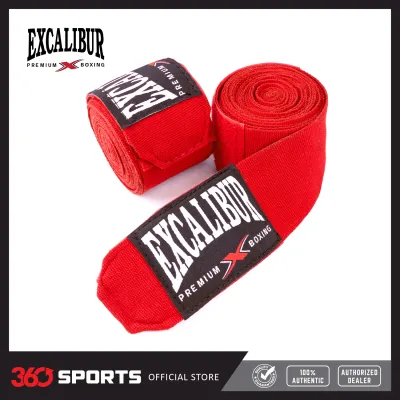
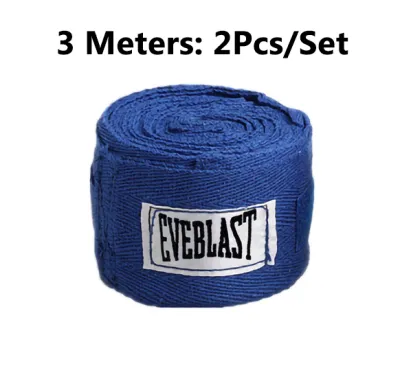
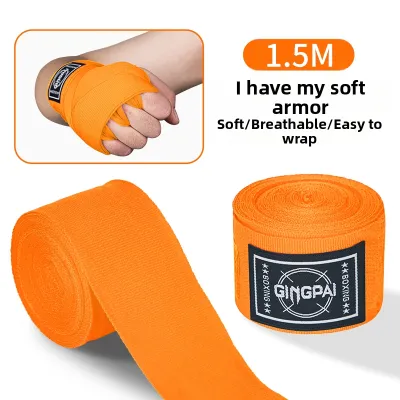
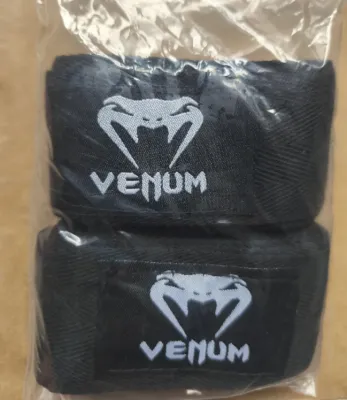
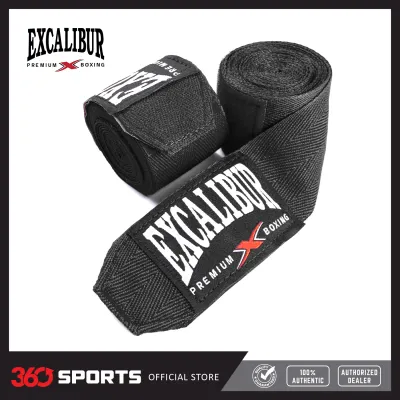
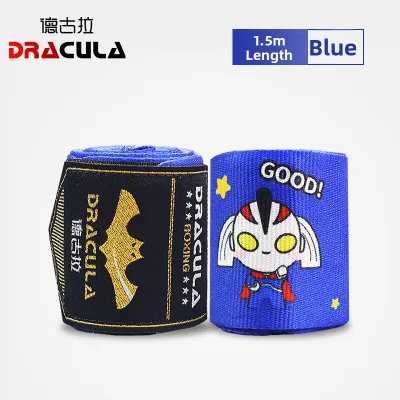
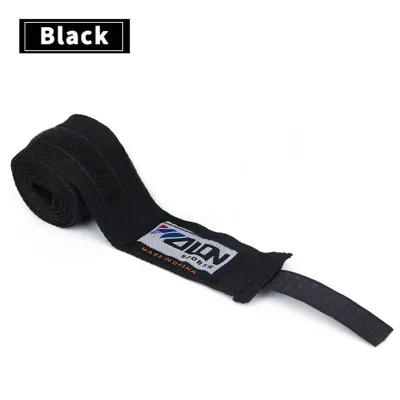
Prices are valid at publication and may change. Please refer to the product page for the latest price.
Beyond structural protection, hand wraps serve a highly practical hygienic purpose, especially in warm, humid tropical climates. Sweating is inevitable during an intense home workout, and damp hands inside boxing gloves create a breeding ground for bacteria and unpleasant odors. Wraps absorb this moisture before it can seep into the inner lining of your gloves, extending the lifespan of your gear and keeping your training space fresh.
Choosing the Right Boxing Hand Wraps for Solo Training
Selecting the right wraps requires balancing your hand size, training intensity, and personal comfort. Hand wraps generally come in two standard lengths: 120 inches and 180 inches. For most adults, the 180-inch wrap is highly recommended because it provides enough material to thoroughly protect both the wrists and individual knuckles. The shorter 120-inch wraps are typically reserved for children, individuals with exceptionally small hands, or speed bag workouts where heavy impact protection is less critical.

The material of the wrap also plays a major role in how well it conforms to your hand. Pure cotton wraps, often called traditional wraps, are thick and durable, but they offer very little stretch, making them harder to wrap snugly without practice. Semi-elastic wraps, commonly known as Mexican-style wraps, blend cotton with elastic fibers to stretch slightly as you wrap. This elasticity allows the fabric to contour smoothly around the curves of your hand and fingers, providing a secure fit that does not easily slip during movement.
Before purchasing a pair, which typically costs between ₱300 and ₱800 on local online marketplaces, inspect the quality of the thumb loop and the hook-and-loop closure. Look for reinforced stitching around the thumb loop, as this area experiences the most tension when you begin wrapping. The Velcro strap at the end should be wide and securely stitched to ensure the wrap stays locked in place throughout your entire training session.
Step-by-Step Hand Wrapping Technique
To begin wrapping, hold your hand open with your fingers spread comfortably apart. This hand position is crucial because wrapping a closed fist or tightly clenched fingers will result in a wrap that is far too tight once you begin training. Keep your wrist straight and in line with your forearm throughout the entire process.
First, slip your thumb through the starter loop, ensuring that the “this side down” label faces your skin. Pull the wrap across the back of your hand—not across your palm—toward your wrist. Wrap the fabric around your wrist three to four times, depending on the level of support you prefer. This creates a stable foundation that anchors the rest of the wrap and prevents your wrist from bending backward when you hit the bag.
Next, bring the wrap diagonally across the back of your hand to the base of your pinky finger. Wrap across the knuckles three times, overlapping each pass by about half the width of the fabric. This builds a thick, protective pad over your metacarpals. Be careful not to pull the wrap too tight during this step, as your knuckles need room to expand slightly when you make a fist.
From the knuckles, bring the wrap down and around the wrist once to lock the knuckle pad in place. Now, you will wrap between your fingers to secure the knuckle padding. Bring the wrap up from the wrist, passing it between your pinky and ring finger, then wrap it around the index finger and back down to the wrist. Repeat this process between the ring and middle fingers, and finally between the middle and index fingers. Each pass between the fingers should be followed by a stabilizing loop around the wrist.
After securing the fingers, wrap the thumb. Bring the fabric up from the wrist, wrap it completely around the thumb joint once, and then pull it back down to the wrist. This anchor prevents the thumb from being pushed backward if you catch it awkwardly on the bag.
Finish the process by wrapping any remaining fabric around your wrist. Secure the Velcro closure tightly against your wrist joint. Ensure the closure sits flat against your skin without any fabric folds underneath, which could cause chafing or pressure points inside your boxing glove.
Verifying the Fit: Is Your Wrap Too Tight or Too Loose?
Once you finish wrapping both hands, you must verify the fit before putting on your gloves. The most reliable method is the fist-clench test. Relax your hand; the wraps should feel snug but comfortable, allowing your fingers to move freely. Now, clench your hand into a tight fist. You should feel the wrap tighten across your knuckles and wrist, creating a rigid, solid structure.
If you feel immediate throbbing, coldness in your fingertips, or a tingling sensation, the wraps are too tight and are restricting your blood circulation. Training with restricted blood flow can lead to hand cramps and temporary nerve numbness. If you experience these signs, unwrap your hands immediately and start over with less tension.
Conversely, if the wrap feels loose or slides around when you open and close your hand, it will not provide adequate protection. A loose wrap can bunch up inside your glove, causing friction blisters, or fail to support your wrist when you land a punch. Your wrist should feel supported but still retain enough natural mobility to maintain a proper guard position without forcing your hands into an awkward angle.
Common Wrapping Mistakes to Avoid
One of the most frequent mistakes beginners make is leaving gaps between the fabric passes. When you leave exposed skin or thin patches on your hand, the wrap can easily unravel or shift under the friction of your boxing gloves. Ensure each pass overlaps the previous one by at least fifty percent to create a continuous, unbroken layer of support.
Another common error is bunching the fabric over the knuckles. While you want a thick pad over your striking surface, folding or twisting the wrap creates hard ridges. When you punch the heavy bag, these ridges press directly into your skin, leading to painful pressure points, skin tears, or deep bruising. Keep the wrap completely flat and smooth as you wind it around your hand.
Finally, avoid wrapping too tightly around the thumb joint. The thumb needs to rest naturally along the side of your fist when you punch. If the wrap pulls the thumb too tightly toward your palm or forces it into an unnatural upright position, you risk straining the joint or jamming your thumb upon impact.
Cleaning and Maintaining Your Hand Wraps
In the warm, humid climate of the Philippines, maintaining your hand wraps is essential for both hygiene and gear longevity. You should wash your wraps after every single training session. Leaving sweat-soaked wraps in a gym bag or a dark corner of your home will quickly lead to mold growth and a sour odor that is incredibly difficult to remove.
To wash your wraps, place them inside a mesh laundry bag to prevent them from tangling around other clothes or the washing machine’s agitator. Use a mild detergent and wash them on a gentle cycle with cold water. Avoid using bleach or fabric softeners, as these chemicals can break down the elastic fibers in semi-elastic wraps, causing them to lose their supportive stretch.
Never put your hand wraps in a mechanical dryer, as the high heat will shrink the cotton and warp the elastic components. Instead, hang them up to air-dry in a well-ventilated area out of direct sunlight. Once they are completely dry, roll them up tightly starting from the Velcro end, so they are flat, uncreased, and ready for your next home workout.

Community discussion
Share your experience or ask a question. Comments are reviewed before publication.