
Setting up a home boxing corner is an excellent way to stay active, build cardiovascular endurance, and relieve stress. However, striking a heavy bag or even practicing high-velocity shadowboxing without proper hand protection can quickly lead to joint strain, skin abrasions, or wrist injuries. Learning how to apply boxing hand tape correctly is the most critical preparatory step before you slide your hands into your gloves.
Why Hand Wrapping Is Essential for Home Boxing
The human hand consists of numerous small, delicate bones and joints that are not naturally designed to absorb repeated high-impact forces. When you land a punch on a heavy bag, the shock travels directly through your knuckles and into your wrist. Hand wraps bind these loose bones together, creating a single, cohesive unit that distributes the force of the impact more evenly across the entire hand structure.
Wrist alignment is equally vital for safe home training. A common injury in solo workouts is wrist hyperextension, which occurs when the wrist bends awkwardly upon impact. Wraps act like a supportive splint, keeping the joint straight and aligned with your forearm to minimize the risk of sudden sprains.
Products mentioned in this guide
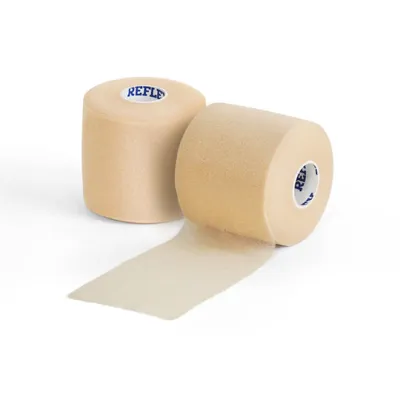
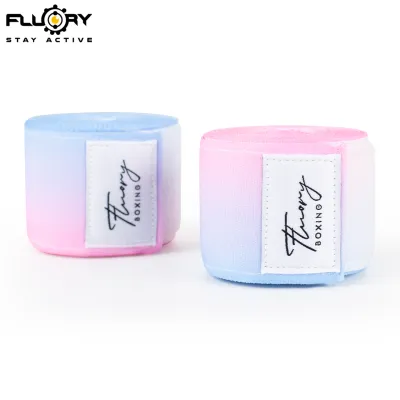
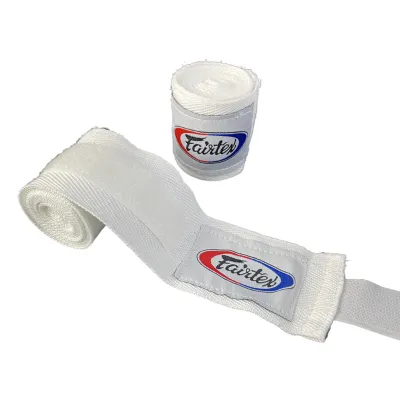
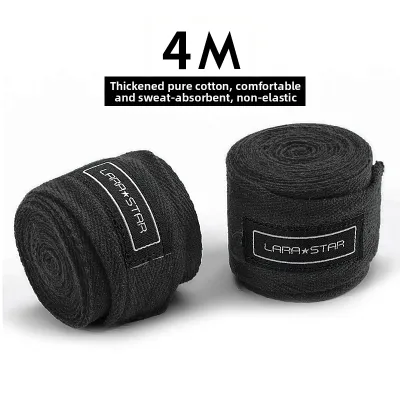
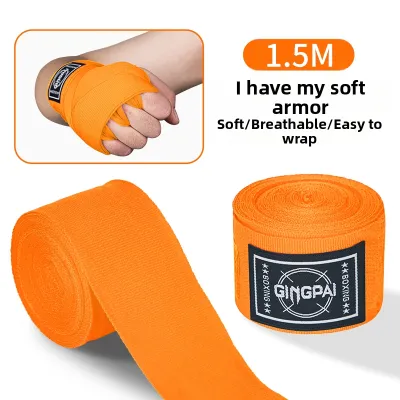
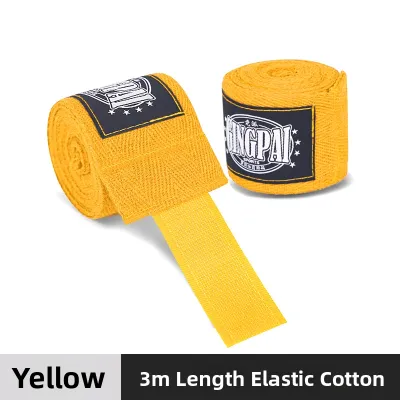
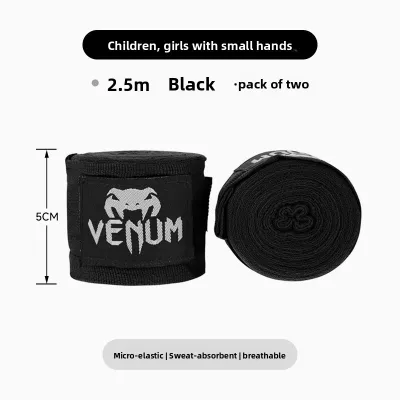
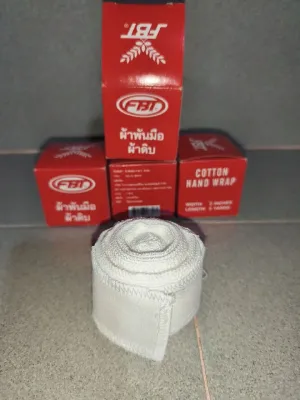
Prices are valid at publication and may change. Please refer to the product page for the latest price.
Additionally, the interior of a boxing glove is a high-friction environment. As your hands sweat in warm, humid conditions, the skin softens, making it highly susceptible to painful tears, blisters, and friction burns. The wrap acts as a protective barrier, absorbing moisture and preventing the glove lining from rubbing directly against your bare skin.
Choosing the Right Boxing Hand Tape and Equipment
Hand wraps generally come in two primary lengths: shorter wraps (around 120 inches) and longer wraps (around 180 inches). Shorter wraps are typically suitable for smaller hands or light shadowboxing sessions where minimal padding is required. For standard heavy bag training, longer wraps are highly recommended because they provide enough material to thoroughly protect both the wrist and individual knuckles.

Material choice significantly impacts your training comfort and support. Traditional cotton wraps are thick and rigid, offering firm structural support but very little stretch. Elastic-blend wraps, often referred to as Mexican-style wraps, contain spandex fibers that allow the tape to conform closely to the contours of your hand. In humid climates, semi-elastic wraps are often preferred because they maintain a secure fit even when saturated with sweat, whereas pure cotton can become heavy and lose its shape.
Look for wraps equipped with a durable thumb loop at one end and a secure hook-and-loop fastening strip at the other. These features simplify the self-wrapping process, allowing you to secure the tape independently without needing assistance from a trainer.
Step-by-Step Hand Wrapping Technique
Applying hand wraps is a systematic ritual that requires patience and attention to detail. Before you begin, unroll your wraps completely and locate the thumb loop, ensuring the “this side down” indicator faces your skin to guarantee the fastener ends up in the correct orientation at the finish.
Anchoring the Thumb and Wrist
Place your hand flat with your fingers spread wide and your palm facing down. Slip your thumb through the starter loop. Crucially, pull the wrap across the back of your hand rather than across your palm. This direction ensures that when you close your hand into a fist, the wrap naturally tightens rather than pulling loose.
Wrap the tape around your wrist three to four times, depending on your wrist size and the level of support you require. Each pass should overlap the previous one by about half its width to create a solid, layered foundation.
Maintain a moderate, consistent tension throughout this process. The wrap should feel snug and supportive, like a firm bandage, but it must never pinch the skin or restrict your blood circulation.
Protecting the Knuckles and Palm
From the wrist, bring the wrap diagonally across the back of your hand to the base of your pinky finger. Run the tape across your knuckles three to four times to build a protective cushion over your striking surface. Keep your fingers slightly spread during this step to prevent the wrap from becoming too tight when you close your fist.
Next, transition into a figure-eight pattern by guiding the wrap diagonally down across the palm, around the wrist, and then back up through the gaps between your fingers. This secures the knuckle padding and prevents it from shifting upward during impact.
After wrapping between each finger, bring the tape back down to the wrist to anchor it. Ensure your palm remains relatively free of excessive bulk so you can still curl your fingers inward completely to form a structurally sound fist.
Securing the Wrist and Finishing the Wrap
Once the knuckles and fingers are secure, bring the remaining tape back down to your wrist. Execute a few final horizontal passes to lock the entire structure in place.
Position the hook-and-loop fastener so that it sits flat against the top or side of your wrist. Avoid placing the hard plastic edges of the fastener directly over the delicate inner wrist or palm area, where it could dig into your skin or catch on the inner lining of your boxing gloves.
If your wraps have excess material or loose ends, tuck them neatly under the final wrist layer to prevent them from unraveling mid-workout.
How to Verify Your Wrap Fit and Tension
Before putting on your boxing gloves, perform a few quick physical checks to verify the fit. First, try the “fist test.” Open your hand completely; the wrap should feel relatively relaxed. Now, close your hand into a tight fist. The wrap should instantly tighten, forming a rigid, solid shield over your knuckles and wrist. If your fingers feel cold, tingle, or turn pale, the wrap is too tight and must be undone immediately.
Next, assess your wrist rigidity. Gently try to bend your hand backward and forward. You should feel significant resistance from the wrap, preventing extreme movement while still allowing just enough flexibility to maintain a natural punching angle.
Finally, look for signs of a loose wrap. If you notice the fabric bunching up between your fingers or sliding down your wrist when you open and close your hand, the wrap is too loose. A loose wrap will quickly unravel inside your glove, offering minimal protection and potentially causing painful friction blisters.
Common Wrapping Mistakes to Avoid in Solo Training
One of the most frequent errors in home training is wrapping the hands too tightly in an attempt to maximize protection. This restricts blood flow, leading to rapid hand fatigue, cramping, and numbness during your workout. Remember that your boxing gloves will provide additional compression; the wraps only need to provide structural alignment.
Another common mistake is leaving gaps over the knuckles or completely neglecting the thumb joint. The thumb is highly vulnerable to hyperextension if it catches on the bag awkwardly. Always ensure at least one pass of the wrap secures the base of the thumb to the wrist structure.
Lastly, pay attention to the orientation of the wrap when you start. If you begin with the wrong side facing down, you will reach the end of the wrap only to find the hook-and-loop fastener facing the wrong way. Avoid twisting the wrap to force the fastener to stick, as this creates localized pressure points that can bruise your wrist during heavy impact. Instead, take the time to unwrap and start over.
Frequently Asked Questions (FAQ)
How often should I wash my boxing hand wraps?
In humid tropical environments, hand wraps absorb a significant amount of sweat and bacteria during every session. You should wash your wraps after every two to three workouts to maintain hygiene and prevent unpleasant odors. To preserve the elasticity of the fabric and prevent the hook-and-loop fasteners from tangling or damaging other clothes, place the wraps inside a mesh laundry bag before throwing them into the washing machine. Hang them to air dry completely before rolling them back up; using a clothes dryer can warp the elastic fibers and cause the edges to curl.
Do I need to wrap my hands for shadowboxing without a bag?
If you are shadowboxing purely in the air without making contact with a heavy bag, focus mitts, or wall targets, wrapping your hands is technically optional. However, wearing wraps during shadowboxing is highly recommended for beginners. It helps build muscle memory for the added weight and feel of protected hands, and it encourages proper fist-clenching technique. Furthermore, the physical feedback of the wrap around your wrist serves as a constant sensory reminder to keep your wrists straight and aligned, preventing accidental hyperextension when throwing fast, snapping punches in the air.

Community discussion
Share your experience or ask a question. Comments are reviewed before publication.