
Selecting the right vest for jogging comes down to identifying your primary obstacle on the road: dehydration, low visibility, or muscle fatigue. While a hydration vest is indispensable for long-distance runners facing tropical humidity, a lightweight reflective vest is a non-negotiable safety tool for those navigating busy streets at dawn or dusk. Meanwhile, a compression vest serves a completely different purpose, focusing on core stabilization and posture support rather than storage or visibility. By matching your gear to your specific running environment and physical needs, you can run more comfortably and safely without carrying unnecessary weight.
Assess Your Primary Running Goals and Environment
To determine which vest belongs in your running wardrobe, start by analyzing the specific conditions of your typical jogging route. A runner training for a half-marathon along sun-exposed coastal roads faces entirely different challenges than a casual jogger squeezing in a quick evening session around a neighborhood block. Take note of your average distance and how long you remain outdoors, especially during high-humidity days when fluid loss accelerates rapidly.
Next, evaluate the timing of your runs and the local infrastructure. If your schedule only permits jogging before sunrise or after sunset, visibility becomes your primary safety concern, particularly on roads with inconsistent street lighting or narrow sidewalks. Conversely, if you run during the heat of the day, minimizing weight and maximizing airflow are critical to preventing heat exhaustion.
Products mentioned in this guide
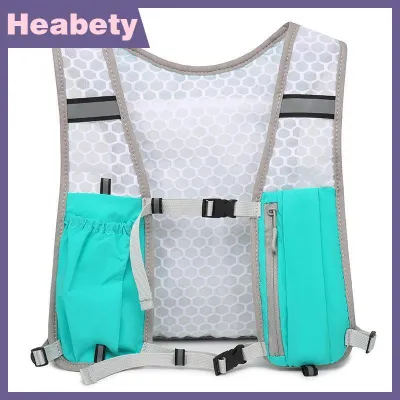
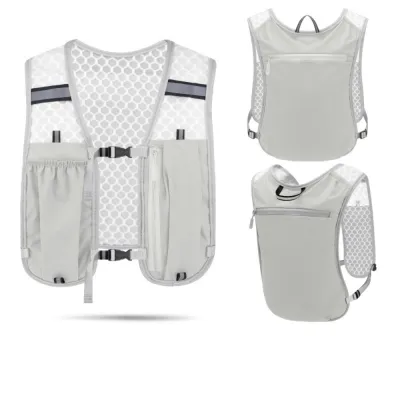
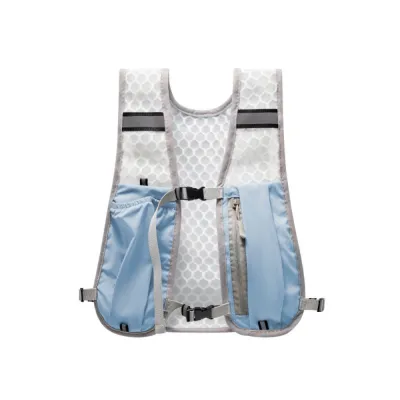
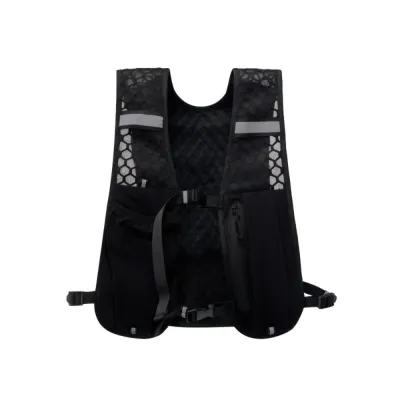

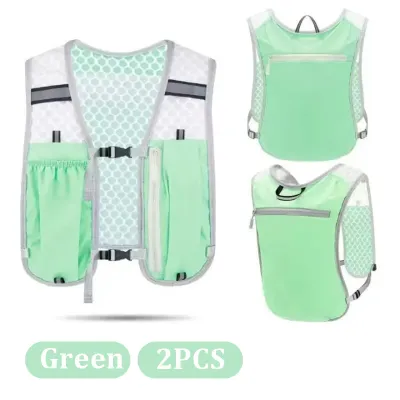
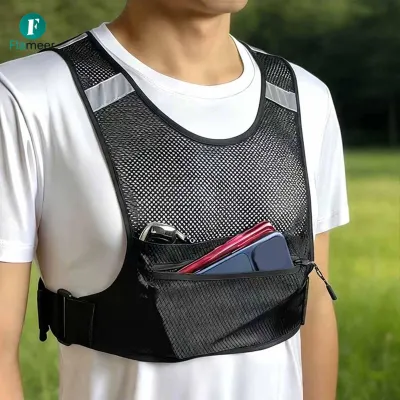
Prices are valid at publication and may change. Please refer to the product page for the latest price.
Finally, pay close attention to how your body feels during and after a run. Do you find your shoulders slouching and your lower back aching after the first few kilometers? Or is your main struggle simply finding a secure, bounce-free way to carry your phone, keys, and emergency cash? Documenting these physical feedback loops will point you directly toward the functional category of gear that addresses your actual limitations.
Hydration Vests: Signs You Need On-the-Go Fluid and Gear Storage
When your jogging sessions extend past forty-five minutes in warm, tropical climates, carrying water becomes a necessity rather than an option. Handheld bottles can alter your running gait, leading to muscle imbalances in your shoulders and arms over time, while waist packs often bounce or slip. A dedicated hydration vest solves this by distributing the weight of the water evenly across your chest and upper back, allowing you to maintain a natural running posture.

Beyond carrying water via a rear bladder or front-mounted soft flasks, these vests serve as highly efficient cargo systems. If your routes take you through remote areas or long stretches without convenience stores, you need a reliable way to carry energy gels, salt tablets, a small first-aid kit, and your mobile phone. A well-designed hydration pack features accessible front pockets that let you grab nutrition or check your navigation without stopping your stride.
Before purchasing, it is essential to verify the fit and adjustability of the vest under realistic conditions. Look for models with multiple chest straps that can be tightened or loosened to accommodate your breathing expansion. When trying on a vest, simulate running movements in the store or at home; any minor rubbing or pressure point will quickly turn into painful chafing once sweat and humidity enter the equation.
Reflective Vests: Signs You Need Enhanced Visibility and Safety
If your jogging routine takes place during dawn, dusk, or nighttime, a reflective vest is an essential piece of safety equipment. In low-light conditions, or during sudden monsoon downpours, vehicle drivers have significantly reduced reaction times. A high-visibility vest utilizes retroreflective materials that bounce light from headlights directly back to the driver, making your human silhouette recognizable from a safe distance.
Do not rely solely on active streetlights or light-colored clothing for safety. Many urban jogging paths feature blind corners, parked cars that block sightlines, and highly distracted traffic. Wearing a dedicated reflective vest ensures that you remain visible from 360 degrees, protecting you from vehicles approaching from behind or turning at intersections.
When selecting a reflective vest for warm-weather jogging, prioritize lightweight mesh fabrics and minimalist harness designs. Heavy, solid plastic vests trap heat against your torso, which can quickly lead to overheating in humid climates. Look for open-sided designs with adjustable elastic straps that fit comfortably over your standard running shirts while allowing maximum airflow.
Compression Vests: Signs You Need Core Support and Muscle Stabilization
Unlike hydration or reflective gear, a compression vest is designed to influence your physical performance and body alignment directly. If you experience premature core fatigue, upper-back stiffness, or a tendency to slouch as you tire, a compression garment can provide valuable sensory feedback. The snug fit gently encourages proper spinal alignment, helping you maintain an upright posture that optimizes your lung capacity and running efficiency.
It is important to distinguish true graduated compression gear from standard tight-fitting athletic shirts or thermal base layers. While thermal layers are designed to trap body heat—a distinct disadvantage in tropical climates—compression vests use specialized knit patterns to apply targeted pressure to major muscle groups. This pressure stabilizes the muscles of the chest, back, and abdomen, reducing the micro-vibrations caused by foot strikes that contribute to overall fatigue.
To ensure safety and comfort, always consult the manufacturer’s specific sizing chart rather than relying on your standard t-shirt size. A compression vest must fit tightly enough to apply firm, even pressure, but it should never restrict your ribcage expansion or pinch around your armpits. If you feel lightheaded, experience restricted breathing, or find your arm movement limited during a trial wear, the garment is too small and could compromise your safety on a run.
Prioritizing Features When Your Needs Overlap
Many joggers find that their training demands a combination of hydration, visibility, and physical support. If you run long distances at night, for example, you cannot easily choose between carrying water and staying visible. In these scenarios, a smart layering strategy is key: you can wear a thin, breathable compression vest as your base layer, and wear a lightweight reflective harness or a hydration pack over it.
Alternatively, look for hybrid gear solutions that integrate multiple functions into a single product. Many modern hydration vests feature highly reflective piping, bright high-visibility fabrics, and attachment points for safety lights, effectively eliminating the need for a separate reflective vest. However, keep in mind the trade-offs: adding storage capacity and safety features can increase the overall weight and reduce the breathability of the garment.
When budget or comfort limits you to a single purchase, prioritize the feature that addresses your immediate safety risk. If you run in high-traffic areas after dark, visibility is your absolute priority, and a simple reflective harness is a highly affordable investment. If your primary challenge is managing dehydration on long weekend runs, invest in a high-quality hydration vest first, and use clip-on safety lights to handle low-light visibility.
Frequently Asked Questions (FAQ)
Can I use a hydration vest for short, everyday jogs?
Yes, you can use a hydration vest for shorter runs, but it may feel unnecessarily bulky if you do not need to carry water. Carrying an empty or partially filled reservoir adds extra fabric layers that can trap heat in tropical weather. For quick jogs under thirty minutes, a simple running belt or a handheld bottle sleeve is often a lighter, cooler alternative for carrying just your keys and phone.
Do reflective vests keep you warm in cold weather?
Standard reflective vests do not provide thermal insulation because they are typically made of open mesh or thin polyester straps designed solely for visibility. If you are jogging in cooler highland areas or during breezy early mornings, you should layer your reflective vest over a dedicated long-sleeve thermal running shirt. The reflective vest itself will not trap heat, allowing you to manage your temperature using your base layers.
How tight should a compression vest feel?
A compression vest should feel like a firm, supportive hug across your torso, applying even pressure without causing discomfort. You must be able to take deep, unrestricted breaths and rotate your shoulders fully without any pinching or chafing. If the vest restricts your breathing, leaves deep red welts on your skin, or makes you feel claustrophobic, you should size up to ensure safe circulation and comfort.

Community discussion
Share your experience or ask a question. Comments are reviewed before publication.