
The right basketball depends entirely on your primary playing surface. Outdoor courts demand durable rubber or rugged composite materials to withstand abrasive concrete, while indoor wooden floors require genuine or premium composite leather for optimal grip and feel. Using the wrong ball for the wrong court will either destroy an expensive indoor ball in minutes or leave you slipping and struggling with an outdoor ball on a polished floor. Match the cover material to the court’s texture to balance durability, performance, and value.
Why Court Surface Dictates Your Basketball Choice
Outdoor courts in the Philippines, often made of rough concrete or asphalt, act like sandpaper on a basketball. Every dribble, pass, and rim contact scrapes the outer layer of the ball. The high friction and abrasive texture of these surfaces quickly grind down soft materials, stripping away the pebbled texture that provides grip. Additionally, outdoor courts are exposed to intense tropical heat, dust, and sudden rain showers, which can warp or degrade sensitive materials.
Indoor wooden courts, by contrast, feature a smooth, finished surface designed to minimize friction and maximize traction. These floors are highly sensitive to dust and moisture, requiring a ball that can maintain a clean, reliable grip without slipping. If you bring a rough outdoor rubber ball onto a polished wooden court, the lack of moisture absorption and the accumulation of fine dust on the rubber surface can make the ball incredibly slippery and difficult to handle.
Products mentioned in this guide
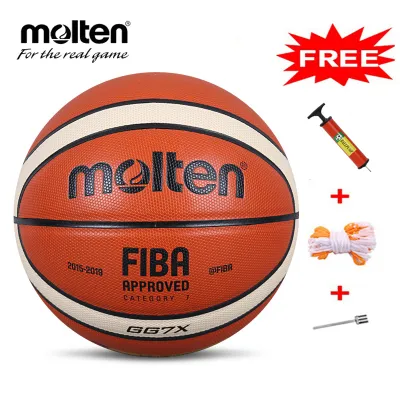
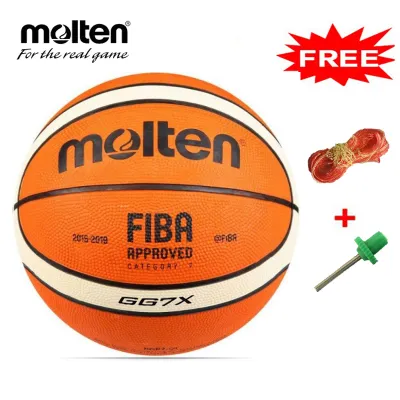
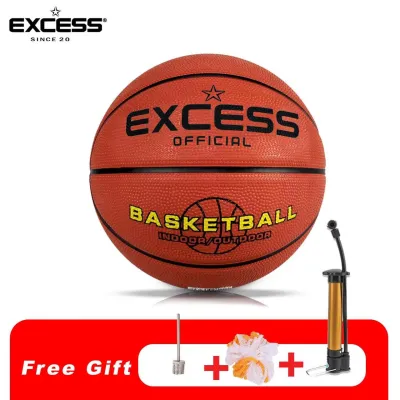
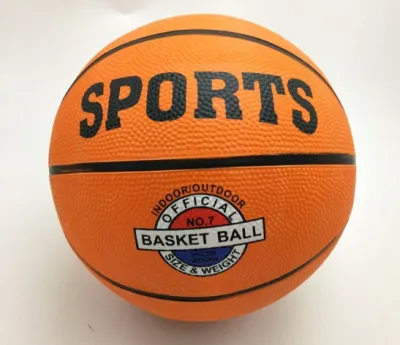
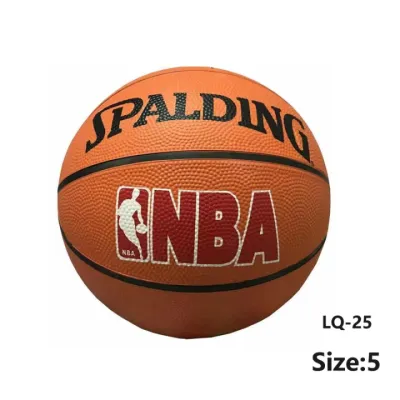
Prices are valid at publication and may change. Please refer to the product page for the latest price.
Using an indoor-only ball on an outdoor concrete court is a costly mistake. The soft composite or genuine leather cover will scuff, peel, and tear within minutes of play. Once the outer layer is compromised, the ball loses its structural integrity, leading to lopsided bounces and exposed inner threads. Conversely, using an outdoor ball indoors compromises your game, as the harder cover material fails to deliver the responsive bounce and soft feel required for precise shooting and ball handling on wood.
Basketball Materials Explained: Rubber, Composite, and Leather
To choose the right basketball, you must understand the spectrum of cover materials, which ranges from highly durable rubber to premium genuine leather. Each material represents a specific balance of durability, tactile feel, and cost. The material you select determines how long the ball will last under specific conditions, how comfortable it feels in your hands, and how much you will need to invest upfront.

When shopping for a bola pang basketball, always inspect the manufacturer’s label or product specifications. Manufacturers explicitly categorize their balls as “Indoor,” “Outdoor,” or “Indoor/Outdoor.” These designations are not mere marketing terms; they indicate the specific chemical composition and thickness of the outer cover, designed to withstand either the abrasive friction of concrete or the clean environment of a wooden court.
Rubber Basketballs
Rubber basketballs are the undisputed workhorses of outdoor play. Built with thick, heavy-duty rubber covers, these balls are specifically engineered to endure the harshest playing conditions, from rough concrete barangay courts to gravel-strewn driveways. They offer exceptional resistance to abrasion, moisture, and intense tropical heat, making them highly durable and long-lasting even with daily outdoor use.
However, this extreme durability comes with distinct performance trade-offs. Rubber balls have a noticeably harder, stiffer feel in the hands compared to leather or composite alternatives. The tactile grip is less refined, and the bounce can feel somewhat rigid or overly springy. Because the material does not absorb moisture, sweat or humidity can make the surface slick during intense games.
A rubber basketball is the ideal choice for casual outdoor players, beginners, and anyone who plays primarily on rough, unsealed concrete surfaces. If you need a budget-friendly ball that can survive being left out in the sun or kicked around on the street without losing its shape or peeling, rubber is the most practical option.
Composite Leather Basketballs
Composite leather, also known as synthetic leather, serves as the versatile middle ground in basketball construction. These balls are engineered by bonding synthetic fibers to mimic the soft feel and high-grip characteristics of genuine leather, while offering significantly better resistance to moisture and wear. This category is highly diverse, featuring options tailored for different playing environments.
It is crucial to distinguish between “Indoor/Outdoor” composite balls and “Indoor-only” composites. Indoor/Outdoor models feature a more rugged synthetic blend and a thicker outer skin designed to withstand moderate outdoor concrete play while retaining a soft, leather-like feel. Indoor-only composites, on the other hand, prioritize maximum grip and softness, utilizing a delicate outer layer that will quickly degrade if exposed to rough outdoor surfaces.
While a high-quality Indoor/Outdoor composite ball offers excellent versatility, it is not indestructible. If played exclusively on rough concrete, even the toughest composite cover will eventually wear down, lose its pebbled texture, and require replacement much sooner than a standard rubber ball. This material is best suited for players who split their time between indoor wooden courts and outdoor concrete surfaces.
Genuine Leather Basketballs
Genuine leather basketballs represent the absolute pinnacle of performance and are the official standard for professional leagues and high-level competitive play. Made from premium steerhide, these balls offer an unmatched tactile feel, superior moisture absorption, and a natural grip that actually improves over time. As you play with a genuine leather ball, the natural oils from your hands help break in the leather, making it softer and more responsive.
This premium performance comes with a strict limitation: genuine leather balls must never be used outdoors. Rough concrete or asphalt will instantly scuff, scratch, and tear the delicate natural leather, permanently ruining the ball’s texture and shape. Additionally, exposure to outdoor dirt, dust, and moisture will dry out the leather, causing it to crack and lose its structural integrity.
A genuine leather basketball is a significant investment intended solely for competitive players, organized leagues, and individuals who play exclusively on polished indoor wooden courts. If you do not have regular access to a clean, indoor facility, a genuine leather ball is not a practical purchase.
Performance Trade-Offs: Grip, Bounce, and Durability
Choosing between these materials requires a careful evaluation of how grip, bounce consistency, and durability align with your playing style and budget. The physical construction of the ball directly influences how it handles, how predictably it rebounds off the backboard, and how long it remains usable.
Grip and feel are heavily influenced by the ball’s channel design and surface texture. Indoor basketballs typically feature deep, narrow channels and a fine, dense pebbled texture designed to maximize finger traction on clean wooden floors. Outdoor basketballs, particularly rubber and rugged composite models, often feature wider, shallower channels. This design prevents dust and dirt from accumulating in the grooves, ensuring you maintain a reliable grip even on a dusty concrete court.
Bounce consistency is another critical factor. High-end indoor balls feature advanced internal bladders and nylon windings that deliver an incredibly consistent, predictable bounce on wooden floors. Outdoor balls are constructed with heavier, more rigid carcasses to withstand high-impact collisions with metal rims and concrete backboards. While this makes the ball highly durable, it can result in a slightly heavier feel and a less forgiving bounce that requires some adjustment.
Understanding durability expectations helps you recognize when your basketball has reached the end of its lifespan. Observable signs of wear include balding pebbles, peeling seams, deep cuts in the cover, or a persistent loss of air pressure. When a ball loses its texture and becomes smooth, or when it develops a lopsided bulge, it becomes a safety hazard, leading to unpredictable bounces and slips that can cause finger or wrist injuries.
Final Verdict: Which Basketball Should You Buy?
To make the right purchase, evaluate your primary playing environment and performance expectations using this straightforward decision framework:
- Choose Rubber if: You play almost exclusively on rough outdoor concrete or asphalt courts, prioritize maximum durability and weather resistance, and want a budget-friendly ball that requires minimal maintenance.
- Choose Composite Leather if: You split your time between indoor wooden courts and outdoor concrete surfaces, desire a soft, leather-like feel with reliable grip, and accept that the ball will wear out faster on concrete than a rubber alternative.
- Choose Genuine Leather if: You play strictly on polished indoor wooden courts, participate in organized competitive leagues, and are willing to invest in a premium ball that requires a break-in period and dedicated indoor care.
Before finalizing your purchase, always verify the specific requirements of your league, school team, or local tournament. Many organized competitions mandate specific ball sizes (such as Size 7 for adult men, Size 6 for women and youth) and approved cover materials to ensure fair play and consistency.
Maintenance Tips to Prolong Your Ball's Lifespan
Proper maintenance is essential to protect your investment and ensure your basketball performs consistently over its lifespan. Regardless of the material, maintaining correct inflation is the most critical step. Always use a reliable pressure gauge and a hand pump to inflate the ball to the manufacturer’s recommended pressure range, which is typically printed near the inflation valve. Over-inflation stretches the cover and damages the internal bladder, while under-inflation leads to a sluggish, inconsistent bounce.
Cleaning your basketball regularly prevents the buildup of dirt, sweat, and oils that degrade the cover material. For indoor composite or genuine leather balls, gently wipe the surface with a clean, damp microfiber cloth after each use, and allow it to air dry completely. For outdoor rubber or rugged composite balls, you can use a mild soap and water solution to scrub away stubborn dirt, but avoid using harsh chemical detergents or abrasive brushes that can strip the outer coating.
Storage conditions play a vital role in preserving the ball’s structural integrity. Always store your basketball in a cool, dry indoor space away from direct sunlight, extreme heat, and high humidity. Leaving a basketball in the trunk of a car or exposed on an outdoor porch can warp the internal bladder, dry out the cover material, and cause the seams to peel or crack.
Frequently Asked Questions (FAQ)
Can I use an indoor basketball outside just once?
No, you should avoid using an indoor basketball outdoors even for a single session. The highly abrasive nature of concrete and asphalt will immediately scuff and scratch delicate genuine leather or soft indoor composite covers. This initial damage permanently alters the ball’s texture, ruins its grip, and can cause the outer seams to begin peeling, significantly reducing the lifespan and performance of an expensive ball.
Does the basketball size matter for indoor vs. outdoor play?
No, the size of the basketball is determined by the player’s age, gender, and league regulations, not by the court surface. Standard sizes include Size 7 for male players aged 15 and older, Size 6 for female players aged 12 and older (and boys aged 12 to 14), and Size 5 for youth players. Always check your local league guidelines to ensure you purchase the correct size for your competitive needs.
How do I know when it is time to replace my basketball?
You should replace your basketball when it exhibits clear physical signs of degradation that affect performance and safety. Look for bald spots where the pebbled texture has worn completely smooth, peeling composite layers along the seams, deep cuts or punctures, or a ball that no longer holds air pressure consistently. Additionally, if the ball develops an uneven bulge or a lopsided bounce, it is time to retire it to prevent unpredictable play and potential hand injuries.

Community discussion
Share your experience or ask a question. Comments are reviewed before publication.