
Choosing a portable boat allows you to explore waterways without the logistical hassle of a traditional trailer or roof rack. The ideal choice between an inflatable boat and a folding kayak depends on your primary activities, storage limits, and performance expectations.
Inflatable boats are best suited for casual recreation, fishing, or carrying multiple passengers. They prioritize exceptional stability, high weight capacities, and a straightforward, tool-free setup process.
Folding kayaks are designed for paddlers who prioritize tracking efficiency, speed, and long-distance touring. Their rigid internal frames allow them to cut through water efficiently, mimicking the performance of traditional hard-shell kayaks.
Products mentioned in this guide
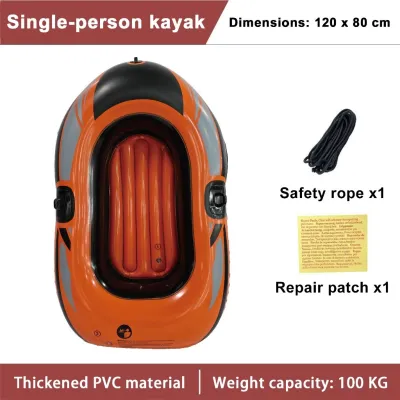
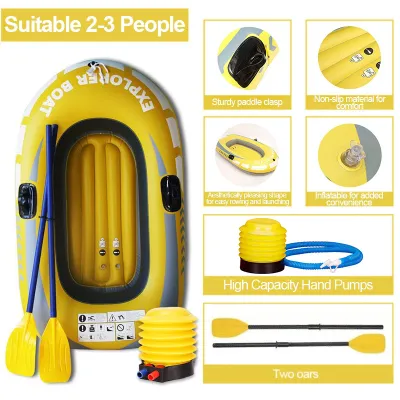
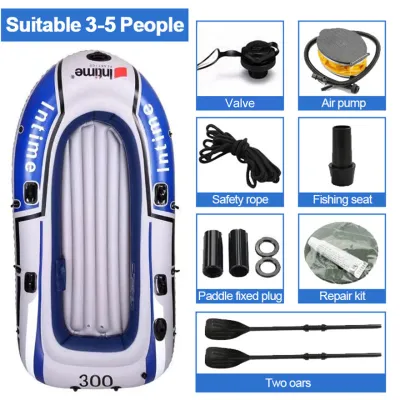
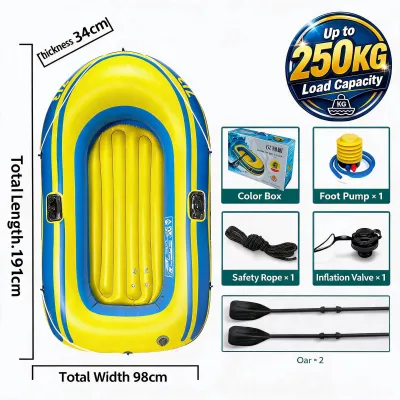
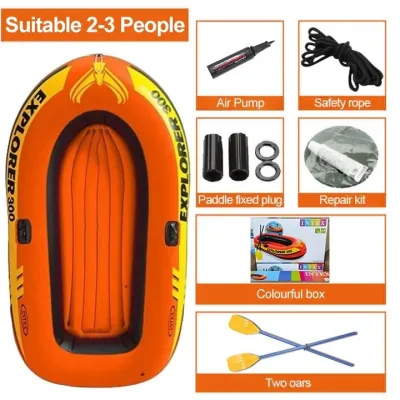
Prices are valid at publication and may change. Please refer to the product page for the latest price.
Ultimately, the right decision requires verifying the specific packed dimensions, weight limits, and assembly requirements of each craft against your vehicle’s cargo space and your personal physical capabilities.
Design and Setup: How Do They Differ on Land?
Setting up a portable boat on a warm, humid day requires a clear understanding of the physical effort and time involved before you can launch.
Inflatable boats rely on air volume and pressure to achieve structural rigidity. The setup process involves unfolding the heavy-duty fabric, identifying the inflation chambers, and using a manual or electric pump. You must monitor the pressure using a reliable pressure gauge to ensure each chamber reaches the manufacturer’s specified pressure limits. Over-inflation can rupture seams, especially when intense tropical heat causes the air inside the chambers to expand.
Folding kayaks utilize a mechanical skeleton made of aluminum, wood, or composite ribs. This frame is inserted into a durable fabric skin, which is then tensioned using built-in levers, tension straps, or air sponsons. The process requires aligning the frame perfectly to prevent asymmetrical tracking or structural stress. Skin tensioning can be physically demanding, particularly when the skin material is cold or stiff.
Both systems require a learning curve to assemble efficiently. Setup times vary significantly based on your familiarity with the hardware and the specific model design. To avoid frustration and potential damage at a busy launch site, always conduct a trial assembly in a spacious, dry area at home before your first water outing.
Transport and Storage: Hauling Your Portable Boat
One of the primary reasons to choose a portable boat is the convenience of transport without a dedicated trailer. However, the packed footprint of these two watercraft types differs substantially.

Inflatable boats typically fold down into a large, blocky duffel bag. While they can easily fit into the trunk of a compact sedan or the back of an SUV, they can be surprisingly heavy and bulky. The thick PVC or polyurethane materials, combined with rigid floorboards if included, can make the package awkward for a single person to lift and carry over long distances.
Folding kayaks pack into long, narrow bags or rigid cases designed to protect the structural frame pieces. Because the frame components are long, the packed bag may exceed the width of smaller car trunks, requiring you to fold down the rear seats or secure the bag to a roof rack.
Before purchasing, measure your vehicle’s cargo dimensions and your home storage area. Compare these measurements directly against the packed dimensions listed on the product label. Additionally, consider the carrying distance from your parking spot to the water’s edge; a heavy package may require a folding cart or a two-person carry.
On-Water Performance and Stability
Once on the water, the structural differences between these two portable boat styles translate into distinct handling characteristics.
Paddling on open water carries inherent risks. No equipment can replace proper safety training, sound judgment, and physical fitness. Before launching, always check local weather forecasts, assess water currents, and wear a properly fitted personal flotation device. If conditions deteriorate or exceed your skill level, stop and return to shore immediately.
Folding kayaks excel in tracking—the ability to maintain a straight course—and speed. The rigid internal frame creates a defined bow and stern that cut through waves and resist wind deflection. This efficiency makes them the preferred choice for longer journeys, coastal touring, or paddling against mild currents.
Inflatable boats generally feature a wider beam and a flatter bottom, which provides exceptional primary stability. This wide platform makes them highly forgiving for beginners, families, or anglers who need to move around or cast a line. However, the wide profile and buoyant tubes create more wind resistance and drag, requiring more physical effort to paddle over long distances.
Water safety must always be your primary concern. Performance is highly dependent on matching the hull design to the specific environment. Always verify the manufacturer’s recommended water types, such as calm lakes, slow-moving rivers, or sheltered coastal bays. Never exceed the maximum weight capacity, and ensure that load distribution keeps the craft balanced.
Durability, Care, and Maintenance
Owning a portable boat in a tropical climate introduces specific maintenance challenges, particularly regarding humidity and UV exposure.
Inflatable boats are vulnerable to punctures from sharp rocks, oyster beds, or submerged branches. Over time, prolonged exposure to intense sunlight can degrade the fabric and weaken the adhesive seams. Regular inspections for slow leaks and seam separation are essential for safe operation.
Folding kayaks face wear at the frame joints, where friction can degrade the metal or composite materials. The outer skin is also susceptible to tears and abrasions from rough landings. Additionally, the complex frame structure can trap moisture and debris, creating a high risk of mold and mildew if stored damp.
Post-trip care is critical for extending the lifespan of both watercraft. After every outing, rinse the entire boat with clean, fresh water to remove salt, sand, and organic matter. Allow all components to dry completely in a shaded, well-ventilated area before packing them away. Consult your product manual for approved cleaning agents, recommended repair kits, and storage temperature limits. If you observe any signs of compromised structural integrity, suspend use immediately.
Decision Framework: Making Your Final Choice
To finalize your decision, evaluate your primary paddling goals, storage limits, and transport capabilities against the following criteria.
Choose an Inflatable Boat if:
- You prioritize a highly stable, buoyant platform for casual recreation, fishing, or family outings.
- You need to carry multiple passengers or heavy gear within a single craft.
- You have limited storage space that accommodates a wide, blocky duffel bag rather than a long, rigid case.
- You prefer a straightforward setup process that relies on inflation rather than mechanical frame assembly.
Choose a Folding Kayak if:
- You plan to undertake longer paddling trips, coastal touring, or fitness training.
- You prioritize tracking efficiency, speed, and a traditional, responsive paddling experience.
- Your vehicle or storage space can accommodate a long, narrow packed bag.
- You are willing to invest the time and physical effort required to assemble a mechanical frame.
Verify First if:
- The specific model's packed dimensions and weight align with your physical lifting capacity and vehicle cargo space.
- Your intended waterways require specific safety certifications, registration, or local permits.
- The total cost, including essential accessories like paddles, life vests, and pumps, fits within your budget in ₱.
- You have access to appropriate personal flotation devices (PFDs) and safety gear suitable for your chosen activity.
Frequently Asked Questions (FAQ)
Can I use an inflatable boat or folding kayak in saltwater?
Yes, both types of portable boat can be used in saltwater environments, but they require diligent maintenance to prevent damage. Saltwater is highly corrosive to metal frame components, zippers, and valves. After every saltwater excursion, you must thoroughly rinse all parts of the watercraft with fresh water, paying close attention to frame joints, valves, and fabric crevices. Ensure everything is completely dry before storage to prevent corrosion and mold. Always check the manufacturer’s guidelines to confirm saltwater compatibility and protect your warranty.
Do I need a special roof rack for a folding kayak?
While one of the main benefits of a folding kayak is its portability, the packed bag can still be quite long and rigid due to the frame pieces. If your vehicle’s trunk or backseat cannot accommodate the packed length, you may need a standard roof rack or specialized tie-down straps to transport the bag safely on your vehicle’s roof. Always verify your vehicle’s roof weight capacity and consult the kayak’s transport guide for approved securing methods to prevent damage to both the vehicle and the watercraft.

Community discussion
Share your experience or ask a question. Comments are reviewed before publication.