
Selecting your first pair of roller skates shoes is a pivotal decision that shapes your entire learning experience. The choice between inline, quad, and adjustable skates is not about finding a universally superior design, but rather about matching the equipment to your physical baseline, skating environment, and personal goals. Beginners often struggle with balance and control, making it essential to understand how each skate type interacts with different surfaces and physical demands. By evaluating these factors early, you can avoid common pitfalls, reduce the risk of injury, and ensure a smooth transition into the sport.
Identify Your Skating Environment and Goals
Before browsing online marketplaces or local sports shops, you must evaluate where you will spend most of your skating time. In the Philippines, outdoor skating environments vary widely, ranging from smooth concrete barangay basketball courts and public park pathways to rough, uneven asphalt roads. Tropical weather conditions also play a significant role; high humidity can affect bearing longevity, and sudden afternoon downpours can turn dusty outdoor surfaces into slick hazards. If you plan to skate primarily outdoors, you need a setup that can handle small pebbles, cracks, and moisture without compromising your balance.
Conversely, if you have access to an indoor roller rink or a polished concrete indoor court, your environmental challenges will be vastly different. Indoor spaces allow for smoother, more predictable glides, but they require precise maneuverability to navigate around other skaters. Your primary goal—whether it is casual weekend cruising, fitness training, roller dance, or eventually transitioning to roller derby—will dictate the wheel configuration and boot style you need. Additionally, consider your physical baseline; individuals with previous ice skating experience often adapt quickly to the lateral balance of inline skates, while absolute beginners may prefer the immediate upright stability of quad skates.
Products mentioned in this guide
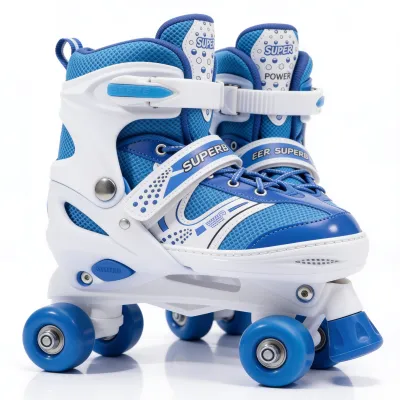
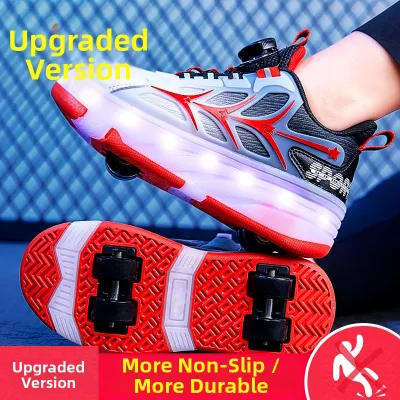
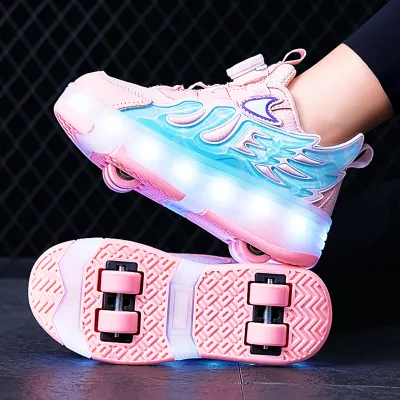
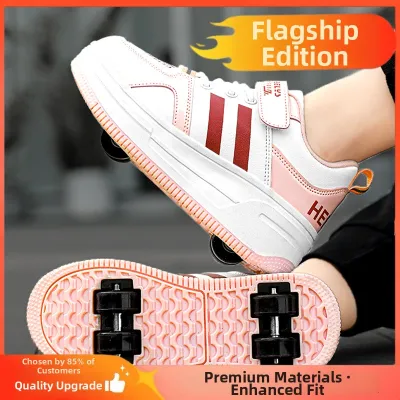
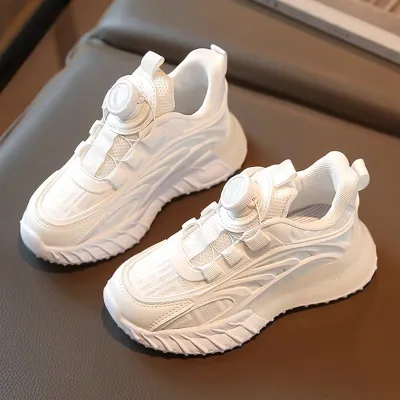
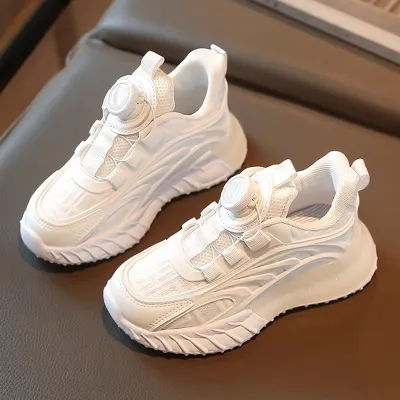
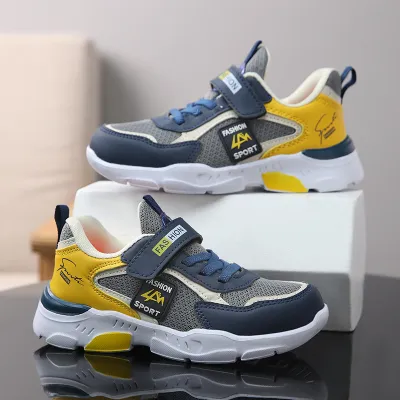
Prices are valid at publication and may change. Please refer to the product page for the latest price.
Quad Skates: Evaluating Stability for Indoor and Rink Use
Quad skates, characterized by their classic two-by-two wheel configuration, offer a highly stable platform when you are standing still. This four-corner wheel placement distributes your weight evenly across a wider lateral plane, making it easier to find your center of gravity without immediate ankle strain. For beginners who feel anxious about tipping sideways, quad skates provide a reassuring sense of balance right out of the box. This makes them highly popular for indoor rinks, artistic skating, and roller dancing, where upright stability and tight, rhythmic footwork are prioritized over raw forward speed.

However, quad skates have distinct operational limitations when taken outdoors. The wider, flatter profile of quad wheels means they are more likely to catch on road cracks, twigs, or pebbles, which can cause sudden stops and forward falls if you are unprepared. Furthermore, quad skates rely on a front toe stop for braking and pushing off. Beginners must regularly check the toe stop placement, ensuring it is securely tightened and adjusted to the correct height to prevent tripping. If you plan to use quad skates on outdoor pavements, you must verify that the wheels are soft enough to absorb road vibrations, as hard indoor wheels will transmit every bump directly to your joints.
Inline Skates: Assessing Ankle Strength for Outdoor Fitness
Inline skates feature wheels arranged in a single straight line, mimicking the blade of an ice skate. This configuration requires a different kind of balance, focusing heavily on lateral ankle strength and forward-backward weight distribution. Because the wheels are narrow and aligned, inline skates offer significantly less lateral stability when standing still, which can feel intimidating to a first-time skater. However, once you are in motion, the single-line design excels at rolling over cracks, rough asphalt, and small debris, making them the preferred choice for outdoor fitness and long-distance cruising.
The physical demands of inline skating require beginners to build up their ankle strength gradually. High-top inline boots often feature rigid plastic cuffs to provide essential lateral support, but your muscles must still adapt to keeping the skates upright without pronating or supinating. Stopping on inline skates typically relies on a rear heel brake or advanced techniques like the T-stop. Beginners must practice these braking methods in a controlled, flat environment before attempting hills or crowded pathways. Remember that high-quality equipment cannot replace proper training, physical conditioning, and situational judgment; always assess your stopping ability before increasing your speed.
Adjustable Skates: Determining if Sizing Flexibility Fits Your Needs
Adjustable skates are designed with a sliding boot mechanism, usually operated via a push-button or tool-free lever, allowing the skate to expand across three to four shoe sizes. This sizing flexibility makes them an excellent, cost-effective choice for growing children, teenagers, or families who want to share a single pair of skates for casual recreational use. Instead of purchasing new roller skates shoes every few months as feet grow, users can simply adjust the shell to maintain a proper fit.
While highly convenient, adjustable skates involve several structural trade-offs that beginners should consider. The multi-piece expanding shell is typically heavier and bulkier than a fixed-size boot, which can increase leg fatigue during longer skating sessions. Additionally, the adjustable joints may offer less rigid ankle support and structural stiffness compared to dedicated single-size boots, making them less suitable for advanced maneuvers, high-speed fitness skating, or heavy impact. Most adjustable models utilize basic plastic or composite frames rather than aluminum, which is perfectly adequate for casual rolling but may flex under heavier adult weight limits.
Verifying Fit, Safety Gear, and Manufacturer Specifications
Securing the correct fit is the most critical step in preventing injury and ensuring a positive skating experience. When trying on roller skates shoes, your heel should be locked firmly into the back of the boot without lifting when you bend your knees. Your toes should gently feather the front of the toe box when standing upright, but they must not curl or feel painfully cramped. Ensure there are no localized pressure points around your ankles or the arches of your feet, as these will quickly turn into painful blisters once you start moving.
Safety gear is non-negotiable for skaters of all skill levels, especially beginners navigating unpredictable outdoor environments. Before heading out, ensure you have budgeted for and verified the fit of a certified helmet, wrist guards, knee pads, and elbow pads. Wrist guards are particularly vital, as falling forward on outstretched hands is the most common cause of beginner wrist injuries. Finally, always review the manufacturer’s technical specifications before purchasing; verify the maximum weight capacity, check whether the chassis is made of durable aluminum or lightweight composite, and read the seller’s return and exchange policies to ensure you can swap sizes if the initial fit is incorrect.
Frequently Asked Questions (FAQ)
Can I use indoor skates for outdoor riding?
Yes, but you must check and likely swap the wheels first. Indoor skates typically come with hard wheels (measured at 95A to 101A on the durometer scale) designed to slide and grip on smooth rink floors. If you take these hard wheels onto rough outdoor pavement, you will experience extreme, uncomfortable vibrations, and the wheels will struggle to grip the surface, increasing your risk of slipping. For outdoor riding, you should replace them with soft wheels (typically 78A to 82A) that can absorb shocks and roll smoothly over cracks and debris.
How do I know if my roller skates are too tight or too loose?
Your skates are too loose if your heel slips upward when you walk or bend your knees, or if your ankles constantly roll inward or outward while standing. This lack of support can lead to severe blisters and a loss of steering control. Conversely, your skates are too tight if your toes are forced to curl, if you experience sharp pinching along the sides of your feet, or if your toes go numb after a few minutes of wear. Always consult the manufacturer’s specific millimeter sizing chart rather than relying solely on your standard shoe size.

Community discussion
Share your experience or ask a question. Comments are reviewed before publication.