
Selecting the perfect pair of skates roller shoes comes down to aligning the physical design of the skate with your personal balance, local skating environment, and long-term goals. There is no single style that fits every skater; instead, the ideal choice depends on whether you prioritize lateral stability, high-speed outdoor tracking, or adaptable sizing for growing feet. By evaluating how each wheel configuration interacts with your body and the ground, you can make an informed decision that ensures safety, comfort, and continuous skill progression.
Understanding Inline, Quad, and Adjustable Roller Skates
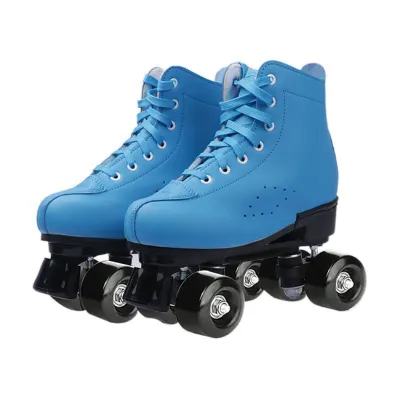
To make an informed choice, you must first understand the mechanical differences between the three primary skate categories. Quad skates feature a classic two-by-two wheel arrangement, placing a wheel at each corner of the foot. This wide, rectangular footprint provides excellent lateral stability, making it easier to stand upright without wobbling from side to side. Quad skates typically feature a toe stop at the front of the boot, which serves as both a brake and a leverage point for jumps, quick starts, or artistic dance moves.
Inline skates, often referred to as rollerblades, arrange three to four wheels in a single straight line along the center of the sole. This narrow profile reduces friction and allows for greater speed, longer glide times, and sharper turning angles. Because the wheels are aligned, they roll over small pebbles, cracks, and outdoor debris much more easily than quads. Braking on inline skates is usually achieved via a rubber heel brake attached to one of the skates, or through specialized dragging techniques like the T-stop.
Products mentioned in this guide
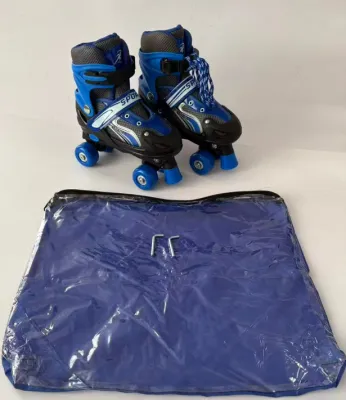
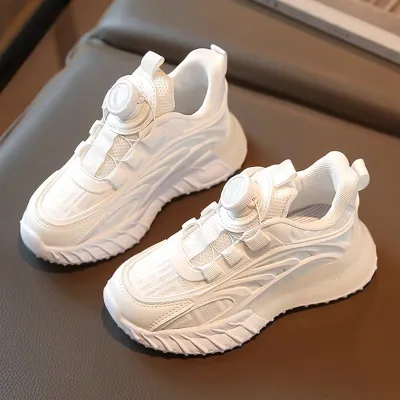
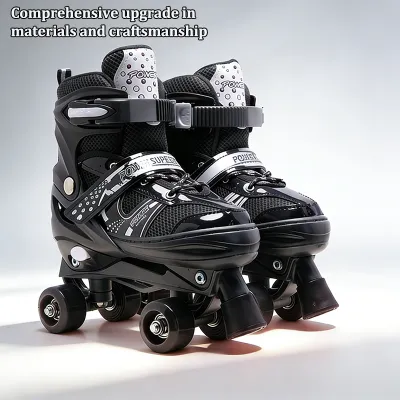
![IMUTO[Free protective gear]Roller Skate Shoes for Kids Adjustable Quad Skates Roller Blades Skate Shoes for Girls Boys](https://img.lazcdn.com/g/p/b32923ce443d92478176e84e3910fd79.jpg_400x400q80.jpg_.webp)
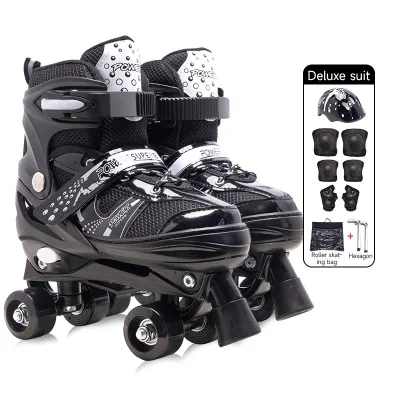
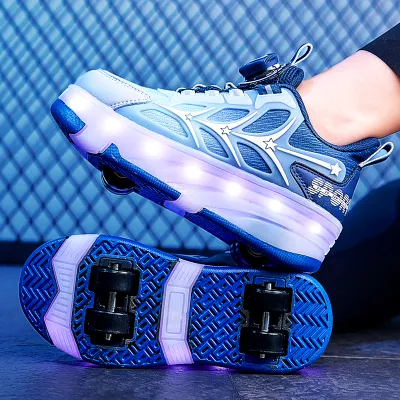
Prices are valid at publication and may change. Please refer to the product page for the latest price.
Adjustable skates are engineered specifically to address the rapid physical growth of younger skaters. These skates feature an expandable boot shell that can be lengthened or shortened, typically across four full shoe sizes, by pressing a secure push-button mechanism. Adjustable models are available in both quad and inline configurations, offering a highly practical solution that prevents parents from having to purchase new equipment every few months. The internal liner of these skates is designed to stretch and conform to the foot as the outer shell expands.
Assessing Your Skill Level, Age, and Skating Goals
Choosing the right skates roller shoes requires an honest assessment of the skater’s age, physical development, and long-term aspirations. For children, foot growth is the primary economic and practical consideration. A child’s feet can change sizes rapidly within a single year, making fixed-size skates a short-lived investment. Adults, conversely, have stable bone structures and require fixed-size boots that offer precise ankle support, robust frame materials, and long-term structural integrity.

Your current skill level and natural balance also dictate which wheel configuration will feel most secure. Absolute beginners often appreciate the immediate lateral stability of quad skates, which allow them to stand still with minimal effort. However, inline skates can be equally accessible for beginners who already possess good core strength or have experience with ice skating, as the forward-and-backward balance motion is highly similar. Understanding your comfort with balance will help you choose a style that builds confidence rather than frustration.
The environment where you plan to skate plays a massive role in your ultimate satisfaction. In tropical climates like the Philippines, outdoor skating often takes place on concrete basketball courts, public plazas, or paved park pathways. These surfaces can be uneven, dusty, or prone to sudden moisture from high humidity and tropical rain. Indoor skating rinks offer smooth, polished wood or polyurethane floors, which are highly compatible with the grippy, wide wheels of quad skates. Outdoor environments, with their unpredictable cracks and debris, generally favor the larger, narrower wheels of inline skates.
Matching Your Profile to the Ideal Skate Type
To simplify your decision, you can map your specific needs to one of three distinct user profiles. If you are purchasing skates for a growing child or a teenager who is still developing, prioritizing adjustable skates is the most logical path. This option ensures that the footwear remains comfortable and safe over multiple seasons of use, saving you from spending thousands of pesos on frequent replacements. Adjustable models allow young skaters to experiment with the sport without a massive upfront financial commitment.
If your primary goal is to enjoy casual weekend sessions at an indoor rink, participate in roller disco dancing, or master artistic maneuvers, quad skates are your ideal match. The lateral stability of the two-by-two wheel layout allows for precise edge control, spinning, and dancing. Quad skates are also highly favored by those who love a retro aesthetic and prefer a stable platform for learning basic balance and coordination on smooth, flat surfaces.
If you are an adult looking for a cardiovascular workout, planning to commute on paved roads, or seeking high-speed thrills on outdoor trails, inline skates are the superior choice. The single-line wheel configuration handles rough asphalt, expansion joints, and small twigs with far greater efficiency than quads. Inline skates allow you to maintain momentum over long distances, making them the standard choice for fitness enthusiasts and outdoor adventurers who want to cover ground quickly.
Essential Fit and Safety Checks Before You Buy
Before finalizing your purchase of skates roller shoes, you must perform several critical checks to ensure the equipment is safe and structurally sound. The boot must provide a secure heel lock, meaning your heel should not lift or slide inside the skate when you bend your knees. Ankle support is paramount; look for a stiff plastic or composite cuff that wraps securely around your lower leg to prevent painful ankle rolling and muscle fatigue. Ensure there is about a half-inch of wiggle room for your toes so they do not cramp against the front of the boot.
Next, inspect the frame and wheel specifications of the model you are considering. The frame, which holds the wheels, should be perfectly aligned with the center of the boot and made of durable aluminum or high-grade composite material. Pay close attention to wheel hardness, which is measured on the durometer scale (such as 78A to 85A). Softer wheels (lower numbers) provide better grip and shock absorption on rough outdoor concrete, while harder wheels (higher numbers) offer more speed and durability on smooth indoor floors.
Finally, never separate your skate purchase from essential protective gear. Skating on hard surfaces carries an inherent risk of falls, especially during the learning phase. A properly fitted helmet, wrist guards, knee pads, and elbow pads are non-negotiable safety items. Wrist guards are particularly crucial for both quad and inline skaters, as falling forward on outstretched hands is the most common cause of skating-related injuries.
Frequently Asked Questions (FAQ)
Can beginners start with inline skates instead of quad skates?
Yes, beginners can absolutely start their skating journey with inline skates. While quad skates offer easier lateral balance when standing still, inline skates actually provide a more natural stride motion that mimics walking or running. The longer wheelbase of inline skates also offers superior front-to-back stability, reducing the likelihood of falling backward. To build confidence safely, first-time inline skaters should practice on flat, dry concrete away from traffic, focus on keeping their knees bent to lower their center of gravity, and always wear a complete set of protective pads.
How do I know when it is time to replace adjustable roller skates?
An adjustable skate must be replaced immediately when the child’s foot reaches the absolute limit of the maximum size setting, indicated by toe cramping, restricted blood circulation, or the heel slipping out of the heel cup. You should also inspect the mechanical components regularly for wear and tear. Replace the skates if you observe cracked plastic on the adjustable shell, stripped adjustment buttons that no longer lock securely, or frayed straps and broken buckles. Additionally, if the wheels have worn down unevenly or the frame alignment has become loose and cannot be tightened, it is time to invest in a new pair for safety.

Community discussion
Share your experience or ask a question. Comments are reviewed before publication.