
Choosing between inline and quad roller skates as an adult beginner comes down to where you plan to skate, your physical comfort preferences, and how you prefer to balance. While quad skates offer immediate stability when standing still, inline skates excel at rolling over uneven outdoor surfaces. Understanding these differences helps you avoid buying a pair that sits unused in your closet.
Identify Your Primary Skating Environment and Goals
Where you skate dictates the type of wheels and frame you need. In tropical climates, outdoor skating often happens on concrete basketball courts, public park pathways, or asphalt roads. These surfaces are frequently uneven, dusty, or prone to sudden moisture from high humidity and tropical rain, which can affect your traction and bearing longevity.
Indoor skating rinks or polished concrete floors provide a controlled, smooth environment. If your goal is to learn dance moves, spin, or participate in roller derby, quad skates are the traditional choice for these flat, indoor settings. Their wide wheel configuration allows for precise, dance-like footwork and stable stationary maneuvers.
Products mentioned in this guide
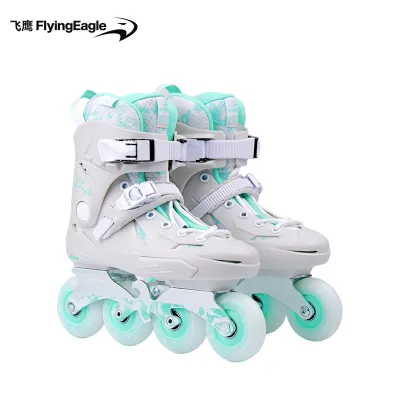
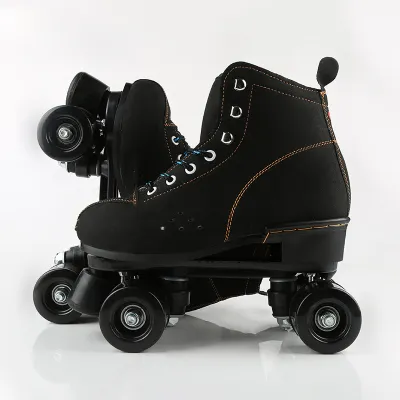
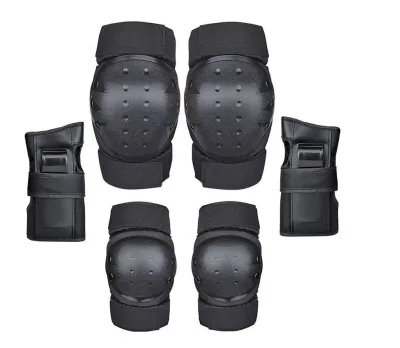
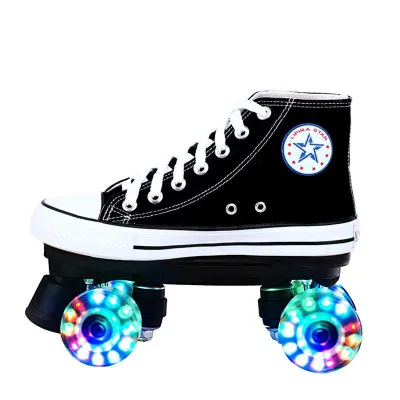
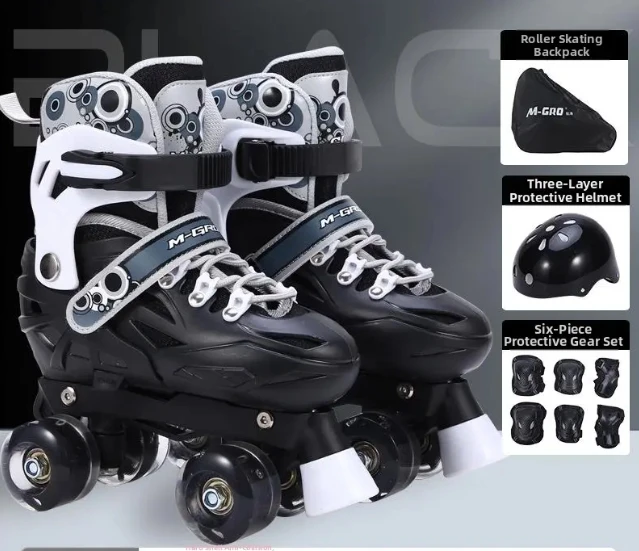
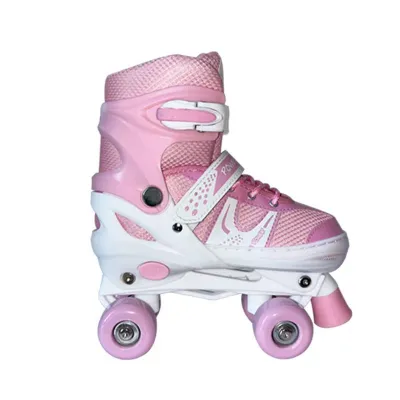
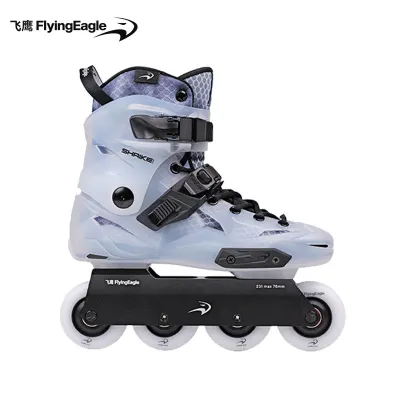
Prices are valid at publication and may change. Please refer to the product page for the latest price.
If you plan to use your skates for fitness, long-distance cruising, or commuting along outdoor paths, inline skates are generally more efficient. The linear arrangement of the wheels allows them to glide over small pebbles, cracks, and debris with less resistance than quad wheels.
Before purchasing, check the manufacturer’s specifications for wheel diameter and hardness, measured by a durometer rating (such as 78A to 85A). Softer wheels with lower durometer numbers grip rough outdoor concrete better and absorb vibrations, while harder wheels with higher numbers slide more easily and last longer on smooth indoor floors.
Diagnose Your Balance and Learning Preferences
Your natural coordination and how you feel about falling will influence which skate feels more intuitive. Quad skates feature four wheels arranged in a two-by-two rectangular grid. This design provides excellent lateral stability, making it easier to stand completely still without rolling forward or backward.

However, once you start moving, quad skates require a distinct side-to-side pushing motion. Inline skates, which feature three to four wheels aligned in a single row, offer superior forward and backward stability. They behave similarly to ice skates, allowing you to maintain straight-line speed and glide longer with each stride.
Braking mechanisms differ significantly between the two styles, requiring different body mechanics. Quad skates typically use a toe stop located at the front of the boot. To stop, you must drag one foot behind you, tilting the toe downward to let the rubber stopper frictionally slow you down. Inline skates usually feature a heel brake on one boot, requiring you to slide that foot forward and lift your toes to press the rear brake pad into the ground.
Adult beginners must also consider ankle stability and posture. Inline skates carry a higher perceived risk of ankle roll because the wheels sit directly under the center of the foot, requiring active ankle strength to keep the skates upright. This setup demands a slight forward-leaning posture with bent knees to keep your center of gravity low. Quad skates allow for a more upright, natural standing posture, though leaning too far backward can cause the skates to shoot forward out from under you.
Regardless of the style you choose, recognize your physical limits. If you experience severe dizziness, loss of balance, or joint pain, stop skating immediately. Equipment cannot replace proper physical training, and learning to fall safely on grass or a mat is a critical first step before rolling on hard pavement.
Check Physical Fit and Ankle Support Requirements
Adult bodies carry more weight and exert more force on skate frames than children do, making structural support a primary safety consideration. Skates generally come in two boot styles: hard-shell plastic and soft-boot composite. Hard-shell boots offer maximum ankle support, which prevents your ankles from bowing inward or outward as you learn to balance.
Soft boots are lighter, more breathable, and often more comfortable in warm, humid weather. However, they offer less structural support. If you choose a soft boot, verify that the cuff—the plastic band wrapping around the ankle—is rigid enough to hold your lower leg securely.
Inadequate support is easy to spot during your first few sessions. If you notice your ankles collapsing inward or feel intense fatigue in your arches and calves within minutes, the boot is either too soft, improperly laced, or the wrong size. This misalignment can lead to strain and poor control.
When trying on skates, use a practical fitting checklist. Wear the exact socks you plan to skate in—ideally moisture-wicking, mid-calf athletic socks that prevent chafing. Your toes should lightly brush the front of the boot when you stand upright, but they should pull back slightly when you bend your knees into a skating stance. Ensure your heel remains locked firmly in the back of the boot when you lift your foot; a lifting heel causes blisters and reduces your control over the frame.
Match Your Profile to the Right Skate Type
To make your final decision, match your personal profile to the strengths of each skate type. You are an ideal candidate for quad skates if you prefer indoor rinks, want to learn skate dancing, value stationary stability, or plan to skate on highly polished, flat surfaces.
Conversely, you are an ideal candidate for inline skates if you want to skate outdoors on public paths, prioritize cardiovascular fitness, want to cover longer distances efficiently, or enjoy the sensation of speed.
Whichever path you choose, budget for high-quality protective gear alongside your skates. Do not view safety gear as an optional accessory; it is an essential component of your setup. Investing in protection reduces the fear of falling, which is often the biggest mental barrier for adult beginners.
Frequently Asked Questions (FAQ)
Do I need different wheels for outdoor skating?
Yes, using the correct wheel hardness is essential for safety and comfort outdoors. Standard indoor wheels are hard and will transfer every vibration from rough asphalt directly into your feet, making it easy to lose balance on tiny pebbles. For outdoor skating, look for wheels with a durometer rating between 78A and 82A. These softer wheels compress slightly over cracks and debris, providing a smoother ride and better grip on uneven public roads.
What safety gear is essential for adult beginners?
Every adult beginner should wear a certified helmet, wrist guards, knee pads, and elbow pads. Wrist guards are especially critical because the natural human reflex when falling is to reach out with open hands. A sturdy pair of wrist guards absorbs the impact and allows you to slide forward safely, preventing severe wrist strain or fractures on hard concrete.

Community discussion
Share your experience or ask a question. Comments are reviewed before publication.