
Choosing your first pair of roller skates is an exciting milestone, but the choice between inline skates and quad roller skates often leaves beginners unsure of where to start. Neither style is universally superior for every skater; instead, the right option depends on your personal balance preferences, where you plan to skate, and your long-term goals. By understanding how each design interacts with different surfaces and movement styles, you can select a pair that supports your learning journey and keeps you rolling safely.
Core Differences in Design and Stability
The most obvious difference lies in the wheel configuration, which fundamentally changes how you balance. Quad skates feature four wheels arranged in a two-by-two rectangular grid, creating a wide, stable platform. This setup provides excellent lateral stability, making it easier to stand completely still without tipping side-to-side. However, the shorter wheelbase of quad skates means you have less support when leaning forward or backward, requiring active core engagement to avoid tipping over your toes or heels.
In contrast, inline skates arrange their wheels in a single straight line, extending slightly past the heel and toe of the boot. This longer wheelbase offers superior front-to-back stability, which helps prevent you from falling backward when rolling over small cracks or transitions. While inline skates require more ankle strength to maintain lateral balance and prevent your ankles from rolling inward, they naturally guide your feet in a forward-gliding motion.
Products mentioned in this guide
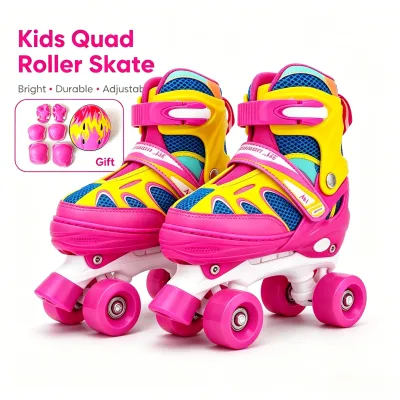
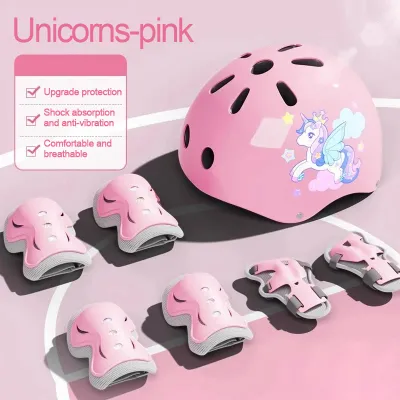
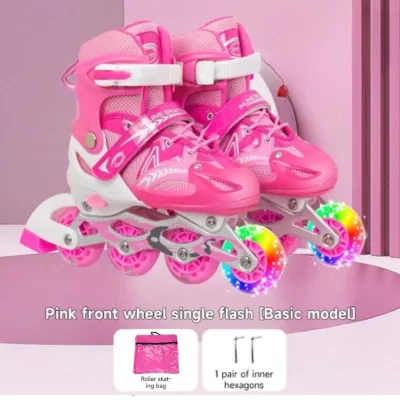
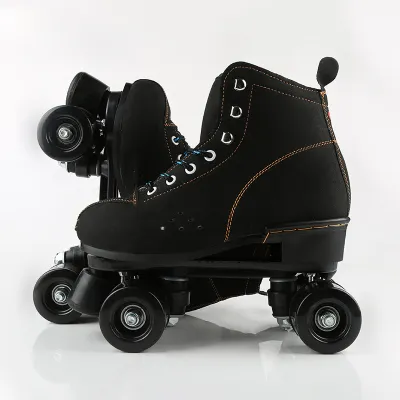
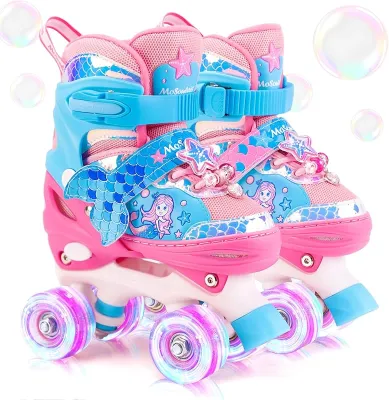
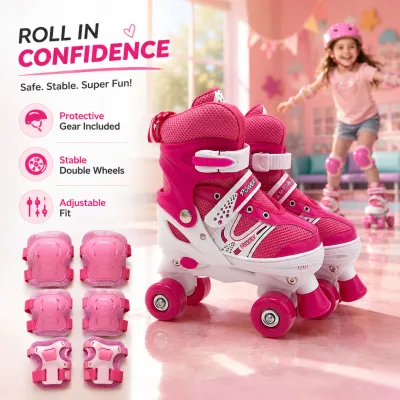
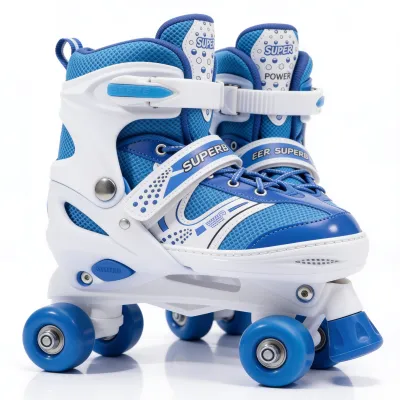
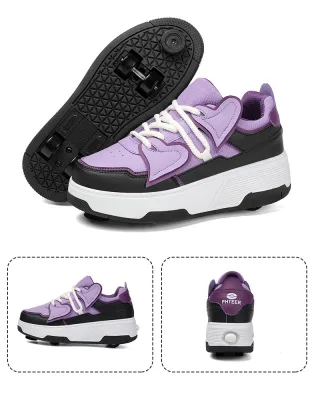
Prices are valid at publication and may change. Please refer to the product page for the latest price.
Boot construction also plays a critical role in how secure you feel on your skates. Many inline skates utilize a hard plastic outer shell that provides rigid ankle support, which is highly beneficial for beginners who are still developing their lower leg strength. Quad skates are available in both high-top and low-cut styles, often made of vinyl, leather, or canvas. High-top quad boots offer structured ankle support for upright dancing and cruising, while low-cut designs prioritize ankle mobility for speed and agility, though they require more pre-existing joint stability.
The frame material connecting the wheels to the boot also influences your ride quality. Inline frames are commonly made of either lightweight aluminum or composite plastic. Aluminum frames offer direct power transfer and responsiveness, which is excellent for speed, but they can transmit more road vibrations to your feet. Composite frames tend to absorb more shock, making them a forgiving choice for beginners practicing on uneven outdoor surfaces.
Matching Skates to Your Skating Goals
Where you plan to skate is just as important as how you want to move. If your primary goal is outdoor cruising along park paths, barangay roads, or seaside promenades, inline skates are highly efficient. Their narrow wheels glide more easily over rough asphalt, small pebbles, and expansion joints, reducing the risk of sudden stops caused by debris. The tropical climate in the Philippines means outdoor surfaces can vary from smooth concrete to weathered, high-friction pavement, making the debris-clearing ability of inline wheels a practical advantage.

For those drawn to the vibrant atmosphere of indoor rinks, quad skates are the traditional favorite. Their wide wheel footprint is ideal for executing tight turns, spins, and rhythmic dance steps on smooth wooden or polished concrete floors. If your goals include artistic skating, roller derby, or jam skating, starting with quads allows you to build the specific footwork and edge control required for these disciplines from day one.
If you view skating primarily as a cardiovascular workout or a potential commuting method, inline skates are generally more effective. The inline design allows for longer, more efficient strides that help you maintain speed with less physical exertion over long distances. While urban commuting on skates requires advanced stopping skills and traffic awareness, inline models are better suited for navigating busy pedestrian pathways and varied street gradients.
The physical demands of each style also differ slightly, engaging your muscles in unique ways. Quad skating heavily recruits your inner and outer thighs, as well as your glutes, to maintain lateral control and execute wide, sweeping strides. Inline skating places a higher demand on your quadriceps and calves to maintain forward momentum and stabilize your ankles against lateral flexing, making it an excellent lower-body workout.
Learning Curve and Safety Considerations
Every beginner must anticipate a learning curve, particularly when it comes to stopping safely. Quad skates typically feature a toe stop located at the front of the boot, which requires you to drag your foot behind you or transition backward to brake effectively. Inline skates usually come equipped with a heel brake on one boot, allowing you to stop by lifting your toes and pressing the rubber pad into the ground while keeping your feet in a stable, staggered stance.
Falling is an inevitable part of learning, but the typical falling dynamics differ between the two styles. Because quad skates lack front-to-back stability, beginners often fall backward, which increases the risk of tailbone and wrist injuries. Inline beginners are more prone to falling forward or losing lateral balance as their ankles adjust to the thin wheel profile, making knee and elbow scrapes more common.
To minimize these risks, practicing the “safety stance” is essential before you even begin to roll. Keep your knees bent, your shoulders slightly forward over your toes, and your hands out in front of your body. This posture lowers your center of gravity and ensures that if you do lose balance, you are more likely to fall forward onto your protective gear rather than backward onto your spine.
Regardless of which style you choose, protective gear is non-negotiable and cannot be replaced by confidence or athletic ability. Before rolling, verify that your helmet fits snugly without shifting, and check that your wrist guards, knee pads, and elbow pads are securely fastened. Look for protective gear sets that feature hard plastic caps to slide during a fall, which helps disperse the impact energy away from your joints.
Fit, Sizing, and Gear Verification
A proper fit is essential for both comfort and control, as loose skates can cause painful blisters and reduce your stability. Always measure your feet in centimeters and compare the measurements directly to the manufacturer’s specific sizing chart, rather than relying solely on your standard shoe size. If you have wider feet, look for brands that offer wide-fit options or adjustable soft-boot designs that accommodate different foot shapes.
When trying on your skates at home, perform a quick fit test before heading outside. Stand up straight with the skates fully laced; your toes should lightly brush the front of the toe box. Next, bend your knees into a skating stance; your toes should slide back slightly, leaving a small amount of wiggle room while your heel remains locked firmly into the back of the boot.
When reviewing product specifications, pay close attention to the boot stiffness and ankle support ratings on the label. Beginners should look for supportive cuffs that do not easily bend when you apply lateral pressure with your hands. A rigid cuff helps keep your ankles aligned over the wheels, reducing muscle fatigue and helping you maintain proper form during your first few weeks of practice.
You should also inspect the wheel hardness, measured on the durometer “A” scale, and the bearing ratings on the spec sheet. For outdoor skating in warm, humid conditions, look for softer wheels rated between 78A and 82A, which provide better grip and shock absorption on rough surfaces. If you plan to skate primarily indoors, harder wheels rated 85A or higher will glide more smoothly on rink floors. Check that the bearings are rated for durability and smooth rotation, allowing you to roll consistently without excessive pushing.
Decision Framework: Which Skate Roller Fits You?
To finalize your decision, evaluate your primary skating environment and personal preferences against these key conditions. Choose inline skates if your main goal is to skate outdoors on asphalt paths, build cardiovascular fitness, or enjoy long-distance cruising with efficient speed. The inline wheel alignment will help you navigate outdoor debris and maintain forward momentum with greater ease.
Opt for quad skates if you prefer the classic aesthetic, plan to spend most of your time at indoor rinks, or want to explore dance and rhythm skating. The rectangular wheel layout provides the lateral stability needed to feel secure while standing still, making it a comforting choice for those who feel anxious about initial balance.
If you remain undecided, take the time to inspect your local neighborhood paths or visit a nearby rink before buying. Check if local rinks have specific rules regarding wheel types or toe stop markings to ensure your new gear complies with their safety standards. Gathering this local information first will help ensure your investment brings you hours of safe, active fun.
Frequently Asked Questions (FAQ)
Can I use inline skates for outdoor cruising on rough surfaces?
Yes, inline skates are highly suitable for outdoor cruising, but you must verify your wheel specifications first. Larger wheels, typically 80mm or larger, roll over cracks and rough terrain more easily than smaller wheels. Additionally, ensure your wheels have a softer durometer rating (such as 78A to 82A) to absorb road vibrations and maintain adequate grip on uneven outdoor surfaces.
Can I switch from quad to inline skates later?
Yes, transitioning between the two styles is entirely possible because many core skills, such as weight transfer, stride push, and basic balance, are highly transferable. However, you will need to adjust to the different braking mechanisms and rebuild your muscle memory for lateral stability. Expect a brief adjustment period of a few sessions to get comfortable with the new wheel alignment and edge control.

Community discussion
Share your experience or ask a question. Comments are reviewed before publication.