
Quick Answer: Which Skate Type Suits a Beginner?
Choosing the right roller skates for a beginner boy depends on his age, coordination, and where he plans to skate. Quad skates, with their classic two-by-two wheel arrangement, provide a wide, stable platform that makes standing still and balancing easy for younger children. Inline skates, which feature wheels aligned in a single row, require more initial ankle strength but offer smoother rolling over outdoor cracks and a more natural forward stride. If your child is under six years old, quad skates offer an encouraging, low-frustration starting point. For older boys, inline skates are often preferred for outdoor pavements and faster, dynamic movement.
Comparing the Basics: Quad Skates vs. Inline Skates
Understanding the structural differences between quad and inline skates helps clarify how each type shapes a beginner’s learning experience. The most obvious distinction lies in the wheel configuration. Quad skates feature four wheels positioned at the corners of the sole, creating a rectangular base. This setup provides excellent lateral stability, allowing a boy to stand upright without feeling like the skates will slide out from under him. In contrast, inline skates place three to four wheels in a single straight line. This narrow profile requires the skater to actively engage their core and ankle muscles to keep the boot upright, though it glides over uneven surfaces with less resistance once in motion.

Ankle support is another critical factor where these designs diverge. Because inline skates demand constant lateral balance, they almost always feature a rigid, high-cut plastic outer shell that locks the ankle in place. This structural support prevents the foot from rolling inward or outward, reducing muscle fatigue. Quad skates, particularly recreational models, often utilize softer canvas or vinyl boots. While comfortable, they rely heavily on the wide wheel base rather than the boot itself to keep the skater stable.
Products mentioned in this guide
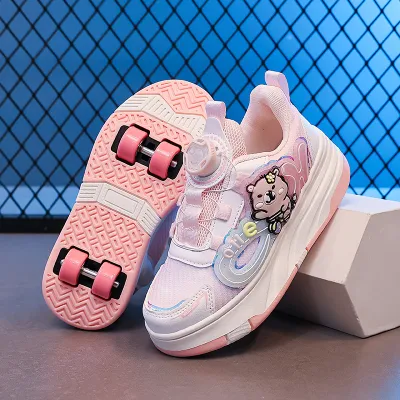
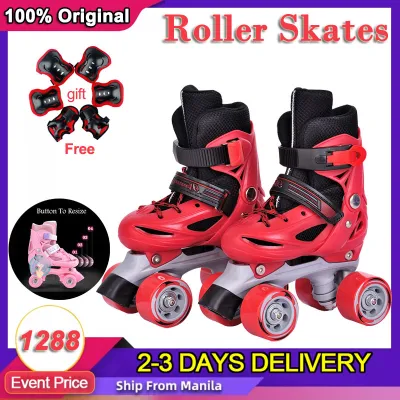
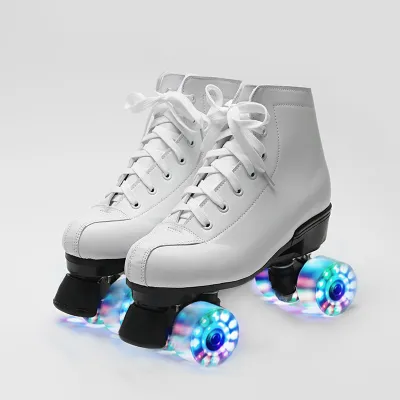
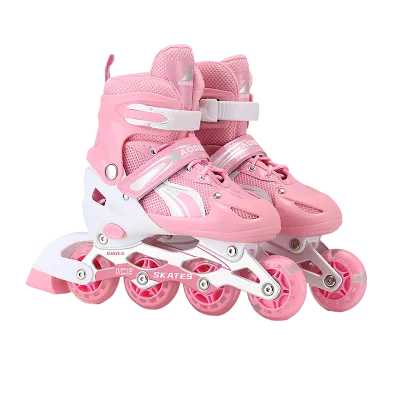
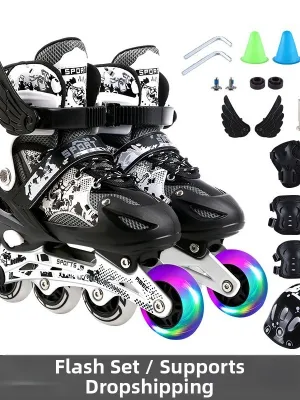
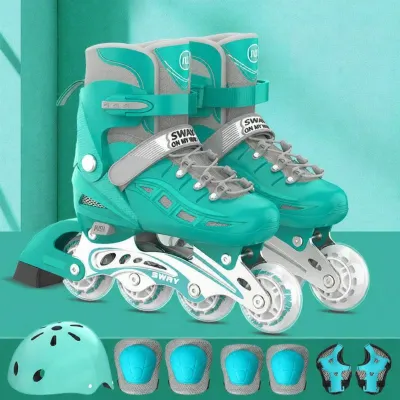
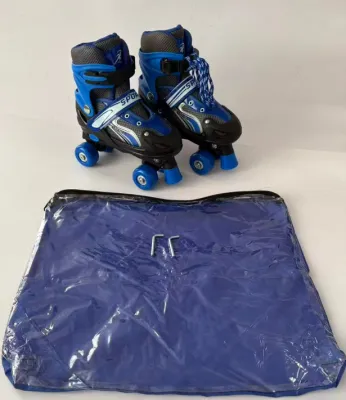
Prices are valid at publication and may change. Please refer to the product page for the latest price.
The braking systems also require different physical techniques. Quad skates utilize a rubber toe stop located at the front of the boot, requiring the skater to drag one foot behind them or tip their foot forward to slow down. Inline skates feature a heel brake attached to the back of one skate. To stop, the child slides the braking foot slightly forward and lifts their toes, pressing the rubber pad against the ground. For most beginners, the heel brake motion feels more intuitive because it mimics the natural action of stopping while walking.
Assessing Your Child's Readiness and Skating Environment
Evaluating your child’s physical development and where he will practice ensures a safer and more enjoyable introduction to the sport. Age is a reliable starting indicator for physical readiness. Younger boys, typically between three and six years old, are still developing their gross motor skills and ankle strength. The inherent stability of quad skates allows them to focus on the basic mechanics of rolling and steering without the constant worry of falling over sideways. Older boys, generally aged seven and above, usually possess the coordination and leg strength required to master inline skates, finding the forward-pushing motion highly intuitive.
The local environment plays an equally decisive role in your choice. In tropical climates like the Philippines, most recreational skating occurs outdoors on subdivision roads, barangay multi-purpose courts, or concrete park pathways. These surfaces are rarely perfectly smooth; they often feature expansion joints, small pebbles, and rough patches. Inline skates, with their larger wheel diameters, roll over these minor obstacles much more easily than quad skates, which can catch on small debris and cause sudden falls.
When shopping, pay close attention to the wheel hardness rating, which is indicated by a number followed by the letter “A” on the packaging. For outdoor concrete and asphalt, look for softer wheels rated between 78A and 82A, as they absorb vibrations and provide better grip on warm, humid pavements. Harder wheels, typically rated 84A or higher, are designed for smooth indoor wooden rinks or polished concrete floors and will feel uncomfortably bumpy on outdoor streets. Aligning the skate type with your child’s long-term interests, such as street hockey or artistic maneuvers, keeps him motivated to practice.
Prioritizing Safety: Essential Gear for New Skaters
Regardless of whether you choose inline or quad skates, equipping your child with high-quality protective gear is the single most important step in preventing injuries. Falls are an inevitable part of the learning process, and the right gear transforms a potentially painful accident into a minor, easily dismissed tumble. A properly fitted helmet is non-negotiable. Ensure the helmet carries recognized safety certification labels, such as EN 1078 or CPSC, printed on the inside lining, and adjust the straps so it sits level on the forehead without tilting backward.
Joint protection is equally vital for keeping a young skater safe and confident. A standard protective set should include durable knee pads and elbow pads featuring hard plastic outer shells. These hard caps are designed to slide along the concrete during a fall, dispersing the force of the impact away from the joints. When putting on the pads, verify that they fit snugly over the joints without slipping down, but are not so tight that they restrict blood circulation or cause chafing in hot, humid weather.
Wrist guards are particularly critical for beginners, who naturally tend to extend their hands forward to break a fall. A quality wrist guard features a rigid plastic splint on the palm side to absorb the shock and prevent the wrist from hyperextending. Ensure the guard fits securely around the hand and wrist, with the splint positioned directly over the heel of the palm. To maximize safety during outdoor sessions, dress your child in lightweight, breathable clothing that covers his shoulders and legs to protect against minor scrapes.
Getting the Right Fit: Sizing and Adjustability Checks
Securing the correct fit is essential for both safety and skill development. A common mistake is purchasing skates that are too large, under the assumption that the child will grow into them. Loose boots fail to support the ankles, cause painful friction blisters, and make it incredibly difficult for a beginner to control his movements. To find the correct size, measure your child’s foot from the heel to the longest toe in millimeters. Compare this measurement directly to the specific brand’s size chart, as skate sizes rarely align perfectly with standard school shoes.
For growing children, adjustable skates offer a practical and cost-effective compromise. These specialized beginner models feature an expandable boot shell that can adjust across three to four sizes with the press of a button or the turn of a lever. When using adjustable skates, always consult the manufacturer’s manual to understand the adjustment mechanism. Regularly inspect the boot to ensure it is locked securely into the desired size setting, and never extend the skate past the indicated maximum safety limit.
Before letting your child roll away, perform a quick fit test. Have your child put on the skates with the socks he plans to wear, stand up, and bend his knees slightly. His toes should gently touch the front of the toe box without feeling cramped, and his heel should remain firmly locked in the back of the boot when he tries to lift it. If you notice the heel slipping upward or if your child complains of sharp pressure points, stop the session immediately and consult the retailer or manufacturer’s guide to adjust the buckles.
Frequently Asked Questions (FAQ)
Can a beginner boy use inline and quad skates interchangeably?
While a child can eventually learn both styles, trying to use them interchangeably as a beginner can slow down the learning process. The balance points, muscle memory, and braking techniques differ significantly between inline and quad skates. For example, leaning forward to brake works well on inline skates but can cause a forward fall on quad skates if the toe stop is engaged incorrectly. It is best to focus on mastering one style first to build solid foundational balance before introducing the other.
How do I know when it is time to replace my child's beginner skates?
You should replace your child’s skates when they no longer provide safe, secure support. Inspect the skates regularly for physical signs of wear, such as an adjustable boot that has reached its maximum size limit, worn-down wheels that have lost their round profile, or cracked plastic buckles that no longer tighten securely. Always refer to the manufacturer’s care and maintenance guidelines to check the structural integrity of the frame, bearings, and straps to ensure every session remains safe.

Community discussion
Share your experience or ask a question. Comments are reviewed before publication.