
Choosing the right shelter can make or break your outdoor experience, especially when navigating the tropical climate and varied terrains of the Philippines. A car camping tent prioritizes generous interior space, standing headroom, and rugged durability over weight and packability, making it the ideal choice if you plan to park directly next to your campsite. In contrast, regular backpacking or dome tents focus heavily on minimizing weight and bulk so they can be carried comfortably over long distances. Understanding these fundamental design trade-offs is the first step in determining which shelter type matches your camping style, vehicle access, and trip frequency.
Core Design Differences: Car Camping Tents vs. Regular Tents
The most obvious difference between these two categories lies in their weight and packed size. Car camping tents are designed with the assumption that your vehicle will do the heavy lifting, allowing manufacturers to use heavier, more robust materials. These tents often weigh anywhere from 5 to 15 kilograms or more, packing down into large, bulky duffel bags that take up significant trunk space. Backpacking tents, on the other hand, utilize ultralight fabrics and specialized poles to keep the total trail weight minimal, often packing down to the size of a large water bottle or a small sleeping bag.
Interior space and structural profiles also set these tents apart. Car camping models frequently feature a cabin-style silhouette with near-vertical walls, allowing campers to stand upright, walk around, and fit large air mattresses or folding cots inside. Regular tents typically employ a low-profile dome or tunnel shape designed to shed wind efficiently. While this aerodynamic profile is excellent for exposed ridges, it limits headroom, requiring you to crawl or sit rather than stand.
Products mentioned in this guide
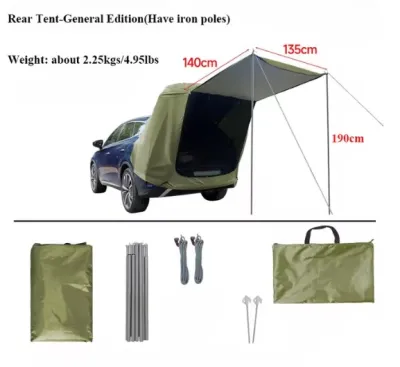
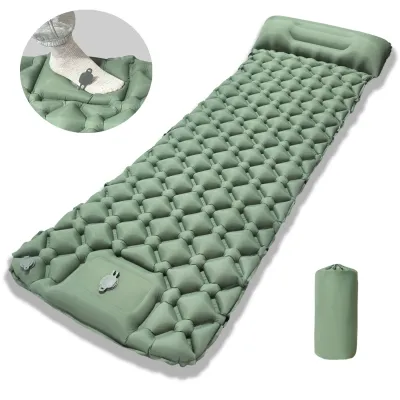
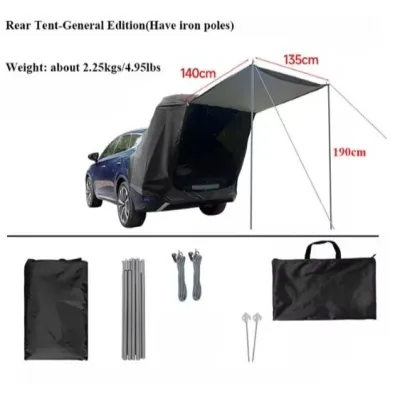
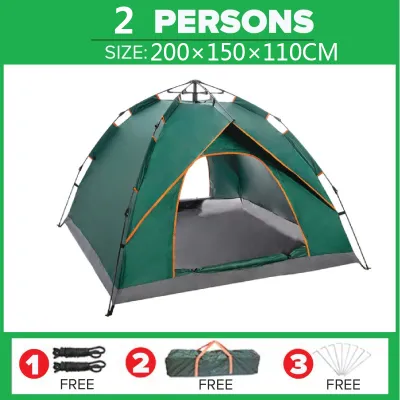
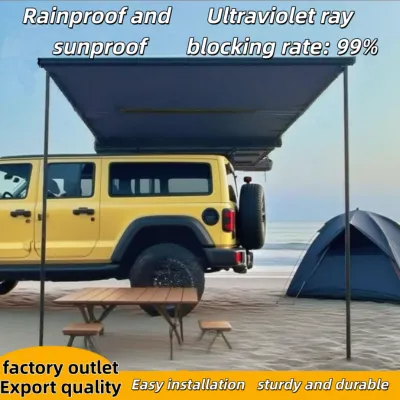
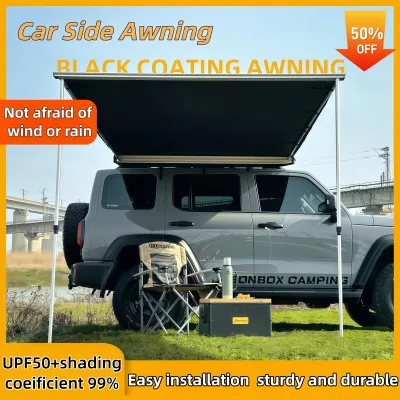
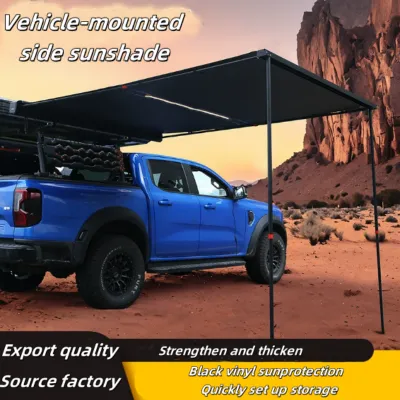
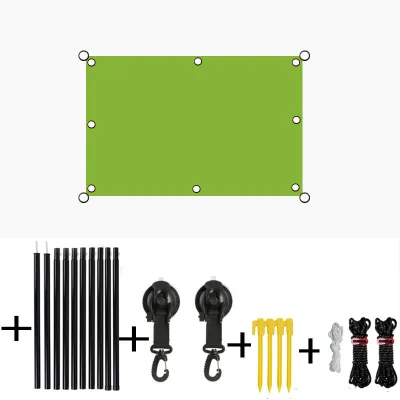
Prices are valid at publication and may change. Please refer to the product page for the latest price.
Material choices reflect these differing priorities. Car camping tents often utilize thick polyester or canvas fabrics with high denier ratings, paired with heavy-duty steel or fiberglass poles that can withstand frequent handling and rough camp setups. Backpacking tents prioritize high-strength-to-weight ratios, using thin nylon or high-tech composites and lightweight aluminum poles. While these advanced materials are incredibly strong for their weight, they require more careful handling to prevent punctures and tears.
Self-Diagnosis: Is a Car Camping Tent the Right Choice for Your Style?
To determine if a car camping tent fits your needs, start by evaluating the physical distance between your vehicle and your actual sleeping spot. If your typical weekend getaway involves driving directly up to a designated campsite in places like Tanay or Tagaytay, weight is practically a non-issue. In these walk-up scenarios, the comfort of a spacious cabin tent far outweighs the minor inconvenience of lifting a heavy bag out of your trunk. However, if you must trek even a few hundred meters along a muddy trail to reach your spot, a heavy car camping tent will quickly become a physical burden.

Your group size and comfort expectations are equally critical factors. Families, groups of friends, and those camping with pets generally benefit from the massive footprint of a car camping tent, which often includes multiple rooms, vestibules, and gear pockets. If you prefer to set up a full-sized mattress, bring folding chairs inside during a sudden downpour, or store large coolers and gear bins out of the rain, the vertical walls of a cabin-style tent are indispensable.
Finally, consider how often you plan to relocate during a single trip. Car camping tents, with their complex pole structures and massive fabric volume, generally take longer to pitch and pack away. If your style involves staying in one beautiful spot for several days, the initial setup effort is a minor trade-off for days of standing-room comfort. If you prefer a fast-paced itinerary where you pitch camp in a new location every single night, the tedious packing process of a giant tent might test your patience.
When a Regular Backpacking or Dome Tent is the Better Option
There are several scenarios where a lighter, more compact regular tent is not just a preference, but a necessity for safety and practicality. If your adventures involve backcountry hiking, multi-day trekking, or bikepacking, every gram counts. Carrying a heavy car camping tent on your back over steep, humid mountain trails increases fatigue and elevates the risk of slips or joint strain. For these active pursuits, an ultralight backpacking tent is the only logical choice.
Transport limitations also dictate your gear selection. If you rely on public transportation, tricycles, or domestic flights to reach your destination, a bulky car camping tent is highly impractical. Most airlines impose strict baggage weight limits, and hauling a massive tent bag through busy terminals or onto crowded buses is incredibly difficult. A compact dome tent fits easily inside a standard travel backpack, keeping your hands free and your transit stress low.
Minimalist campers who prioritize rapid deployment and wind shedding also find regular tents superior. In exposed coastal areas or high-altitude campsites where sudden, strong gusts are common, a low-profile dome tent performs exceptionally well because it presents less surface area to the wind. The simple two-pole setup of a classic dome tent allows you to establish shelter in minutes, which is crucial when trying to beat an incoming tropical storm.
Key Features to Verify Before Buying a Car Camping Tent
When shopping on an online marketplace or at a local outdoor retailer, you must verify specific features on the product label to ensure the tent can handle local conditions. First, pay close attention to the ventilation design. In hot, humid tropical climates, a tent without adequate airflow quickly becomes an oven. Look for models featuring large mesh windows, ground vents, and a removable rainfly that allows warm air to escape while keeping mosquitoes and other insects out.
Next, inspect the floor material and seam construction. The tent floor must be made of a thick, puncture-resistant material, often referred to as a bathtub floor, which wraps several inches up the sides of the tent to prevent ground water from seeping in. Check the product specifications to confirm that the seams are factory-taped or sealed. Additionally, always verify if a matching footprint or ground cloth is available, as using one protects your tent floor from sharp rocks, twigs, and damp soil, extending its overall lifespan.
Lastly, evaluate the setup complexity and pole structure. Look for freestanding designs, which do not require stakes to remain upright; this feature is incredibly helpful when pitching on hard-packed dirt, gravel, or wooden platforms where driving stakes is difficult. Check if the poles use color-coded clips or sleeves, which simplify the assembly process. If you often camp alone or with young children, look for instant or speed setup mechanisms, but verify that the integrated pole joints are sturdy and easy to lock into place.
Frequently Asked Questions (FAQ)
Can I use a car camping tent for backpacking if I split the weight?
While you can technically split the poles, rainfly, and inner tent among multiple people, using a car camping tent for backpacking is highly impractical. The individual components of these tents are still significantly heavier and bulkier than dedicated backpacking gear. The thick fabrics and heavy steel or fiberglass poles do not compress well, meaning they will occupy a massive amount of space inside or outside your backpacks, leaving little room for essential safety gear, food, and water.
Do car camping tents perform better in heavy rain than regular tents?
A tent’s ability to keep you dry depends on its materials and construction quality rather than its size or category. To ensure reliable wet-weather performance, check the manufacturer’s waterproof rating, measured in millimeters (hydrostatic head). A rating of 1,500mm or higher, combined with fully taped seams and a properly tensioned rainfly, is generally sufficient to withstand heavy tropical downpours. Because car camping tents have large, flat surfaces, ensuring the rainfly is taut and properly staked is critical to prevent water from pooling on the roof.

Community discussion
Share your experience or ask a question. Comments are reviewed before publication.