
A children’s floating suit is not safe enough to serve as a primary safety device in open water or beach environments. While these suits are popular for helping toddlers and young children build confidence in calm, shallow swimming pools, they lack the design features, buoyancy ratings, and stability mechanisms required to protect a child against the unpredictable forces of natural water bodies. For parents planning a family trip to the beach, understanding the strict limitations of these swim aids is a critical step in preventing water-related accidents.
Many parents mistake these buoyant garments for life-saving equipment, assuming that any product designed to keep a child afloat is sufficient for beach play. However, open water environments introduce dynamic variables—such as waves, currents, and wind—that can quickly overwhelm the limited assistance a float suit provides. To ensure your child’s safety, it is essential to understand how these suits function, where they can be safely used, and when they must be replaced by a certified personal flotation device.
The Core Difference: Float Suits vs. Life Jackets
To evaluate the safety of a children’s floating suit, you must first understand its fundamental design purpose. These garments are classified as swimming aids or buoyancy training aids, not life-saving devices. They typically feature foam inserts sewn into the torso or pockets around the waist, designed to provide just enough buoyancy to help a child maintain a horizontal swimming position while they actively kick and paddle.
Products mentioned in this guide
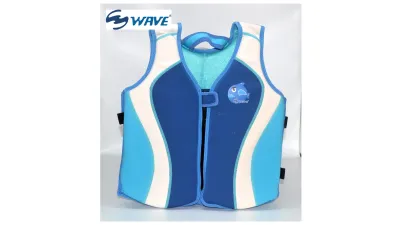
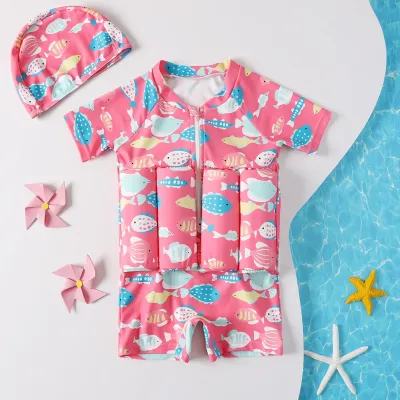
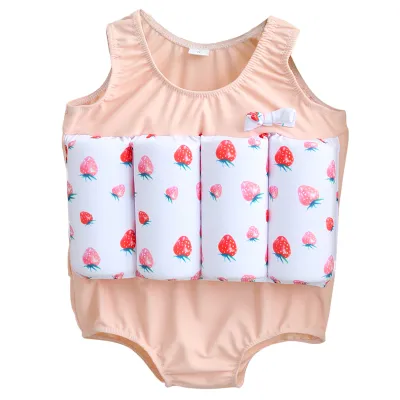
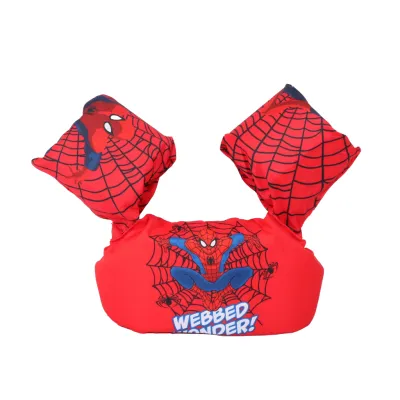
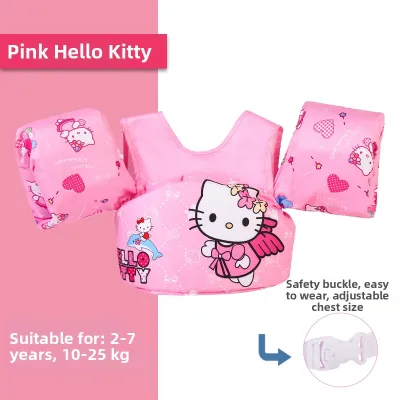
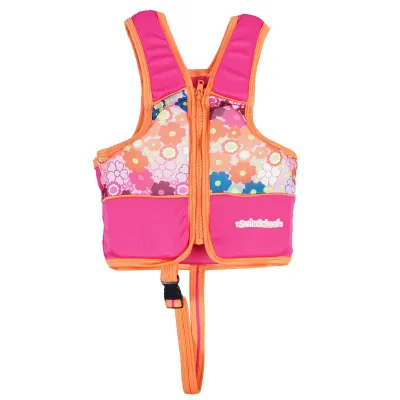
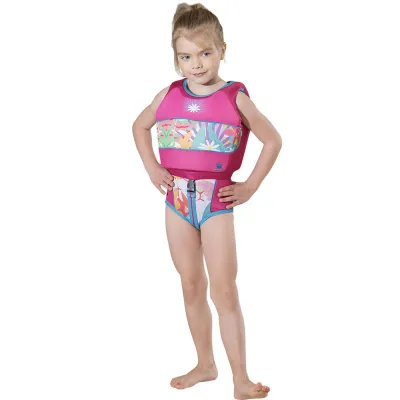
Prices are valid at publication and may change. Please refer to the product page for the latest price.
Unlike a certified life jacket, a floating suit is not engineered to keep an unconscious or passive swimmer’s head above water. If a child wearing a float suit stops moving, tires out, or panics, the suit will not automatically turn them onto their back or support their neck. In fact, because the buoyancy is concentrated around the torso, a child who loses control can easily tip forward, leaving their face submerged while the suit keeps their body floating near the surface.
Certified personal flotation devices (PFDs), such as life jackets, undergo rigorous testing to ensure they can rescue a wearer in distress. They feature specific buoyancy distributions, often with a heavy concentration of flotation material in the chest and a supportive collar behind the head. This design forces the wearer into a face-up, angled position, keeping their airway clear of the water even if they are completely immobile.
Before purchasing or using any flotation garment, you must carefully inspect the product labels and manufacturer instructions. Look for explicit warnings that state the product is not a life-saving device and requires constant, close supervision. Check for recognized safety standards, such as European Standard EN 13138 for swimming aids, and avoid products that make vague safety claims without referencing established testing protocols.
Controlled Pools vs. Open Water Environments
The safety and effectiveness of a children’s floating suit depend heavily on the environment in which it is used. In a controlled swimming pool, the water is flat, clear, and free of currents. There are no sudden changes in depth, and underwater visibility is high, allowing supervising adults to monitor the child’s movements easily. In this predictable setting, a float suit can be a valuable tool for supervised swim practice and water acclimatization.

Open water environments, such as the beautiful but dynamic beaches of the Philippines, present an entirely different set of challenges. Natural water bodies are characterized by constant movement, shifting sands, and unpredictable weather. Even on a sunny day with seemingly calm waves, the ocean is governed by powerful forces that can easily compromise the utility of a basic swimming aid.
Rip currents are one of the most significant hazards on open beaches. These strong, narrow currents of water flow rapidly away from the shore, often forming near breaks in sandbars or near structures like jetties. If a child wearing a highly buoyant floating suit is caught in a rip current, the extra buoyancy can actually make it easier for the moving water to sweep them out to sea, as they present more surface area for the current to grab.
Furthermore, coastal areas often feature sudden underwater drop-offs where the sand shifts, causing the water depth to plunge unexpectedly. A child wading in knee-deep water can suddenly find themselves in water over their head. Combined with unpredictable wave action, this sudden transition can cause immediate panic, leading the child to swallow water and lose their swimming posture—a situation where a float suit cannot guarantee safety.
Wind and surface currents also pose a serious risk. Because a floating suit keeps a child high in the water, a strong offshore wind can act like a sail, pushing the child away from the shore and out of reach of supervising adults faster than they can swim back. This risk is particularly high in tropical beach destinations where coastal winds can shift suddenly.
Critical Safety Checks Before Entering Uncontrolled Water
If you decide to use a children’s floating suit in very shallow, calm beach areas under strict supervision, you must perform a series of rigorous safety checks before the child enters the water. The first and most critical check is the physical fit of the suit. The garment must fit snugly around the child’s torso, neck, and arms, leaving no loose fabric or gaps.
If the suit is too loose, the buoyant panels will naturally ride up toward the child’s chin when they enter the water. This can restrict their breathing, block their vision, or allow the child’s body to slip downward and out of the suit entirely. Conversely, a suit that is too tight can restrict the child’s movement, cause painful chafing when mixed with beach sand, and make it difficult for them to breathe comfortably during physical exertion.
Next, you must assess the buoyancy distribution of the suit. Many floating suits feature removable foam pegs or panels, allowing parents to adjust the level of flotation as the child’s swimming skills improve. You must verify that the buoyancy is balanced evenly around the child’s center of gravity. If too much buoyancy is concentrated in the front, it can force the child backward; if too much is in the back, it can tip them forward into the water. Test the suit in a shallow, calm area first to observe how the child’s body naturally floats.
Finally, inspect the physical condition of the suit before every beach outing. Tropical conditions in the Philippines—characterized by intense heat, high humidity, and saltwater exposure—can rapidly degrade materials. Check the seams for fraying or splitting, test the zippers to ensure they lock securely, and examine the foam inserts for signs of compression, waterlogging, or crumbling. Any sign of wear means the suit is no longer safe for use.
Active Supervision and Usage Boundaries
No flotation device, regardless of its design or certification, can replace active adult supervision. When a child is in or near open water, parents must practice “touch supervision.” This means an adult must be within arm’s reach of the child at all times, physically capable of grabbing them instantly. Visual supervision from a beach towel or lounge chair is entirely inadequate, as a child can slip under the surface silently in a matter of seconds.
Establish strict environmental boundaries. The child should only be allowed in water that does not exceed their waist level when standing. Even with a floating suit, they should remain close to the shoreline, far away from boat lanes, rocky outcrops, or areas with active surf.
Be prepared to enforce immediate stop conditions. If the weather changes, if waves begin to grow, or if you notice signs of child fatigue—such as shivering, complaining, or struggling to keep their head up—remove the child from the water immediately. Additionally, if the suit shifts, rides up, or becomes unzipped during play, exit the water to readjust or replace the gear.
When to Switch to a Certified Personal Flotation Device
There are many scenarios where a floating suit is completely inadequate, and a certified personal flotation device (PFD) or life jacket is legally and practically mandatory. Any activity involving watercraft—such as riding in a motorized boat, kayaking, paddleboarding, or island-hopping tours—requires a certified life jacket. In these high-risk environments, a fall into deep, turbulent water is always a possibility, and only a certified PFD can provide the necessary flotation and upright positioning to save a life.
When selecting a life jacket, verify the safety standards and approval marks. Look for certifications from recognized maritime authorities, such as the Philippine Coast Guard (PCG), the United States Coast Guard (USCG), or international standards like ISO 12402. These marks indicate that the device has undergone rigorous testing for buoyancy, material strength, and performance in rough water.
Never buy a life jacket for a child to “grow into.” A life jacket must match the child’s current weight and chest size specifications exactly. Check the manufacturer’s sizing chart and weigh your child before purchasing. A life jacket that is too large can easily slip off over the child’s head when they enter the water, rendering it useless in an emergency.
Frequently Asked Questions (FAQ)
Can a child wear a floating suit on a boat or jet ski?
No, children should never wear a floating suit on a boat, jet ski, or any other watercraft. Floating suits are classified as swim aids and do not meet the legal or safety requirements for vessel passengers. In the event of a high-speed impact or capsizing, a floating suit will not keep an unconscious child’s head above water. You must use a certified, properly fitted life jacket equipped with a collar to support the head and a crotch strap to prevent the jacket from riding up.
Do floating suits prevent drowning in shallow beach water?
No, floating suits do not prevent drowning in shallow beach water. Even in water that is only knee-deep, waves, sudden currents, and shifting sand can knock a child off balance. If a child panics or falls face-down, a floating suit may not have the design capability to turn them over. Drowning can occur silently and quickly in shallow water, which is why constant touch supervision remains mandatory regardless of what flotation aid the child is wearing.

Community discussion
Share your experience or ask a question. Comments are reviewed before publication.