
Choosing the correct basketball size is essential for developing proper shooting mechanics, maintaining ball control, and preventing unnecessary physical strain. A size 6 basketball, which measures 28.5 inches in circumference, is the standard intermediate size used across various competitive levels. Whether this size is right for you or your child depends on a combination of age, gender, physical development, and the specific rules of the league where the games will be played. Selecting the wrong size can lead to bad habits, such as pushing the ball from the chest, which can be difficult to correct later on.
To make an informed decision, you must evaluate how the ball feels in the player’s hands, how it affects their shooting form, and where they plan to play. While age guidelines offer a reliable starting point, physical readiness and league compliance should ultimately guide your purchase.
Check Standard Age and Gender Guidelines for Size 6
Standard basketball guidelines categorize ball sizes to match the physical development of players. A size 6 basketball is the official size for women and girls aged 12 and older, spanning from middle school up to the professional levels. For boys, this intermediate size is typically recommended for those aged 12 to 14, serving as a crucial stepping stone before they transition to the larger size 7 ball used in high school and adult men’s leagues.
Products mentioned in this guide
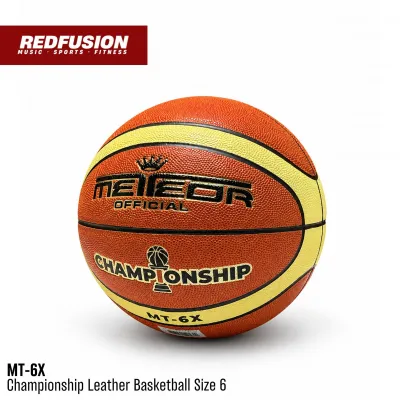
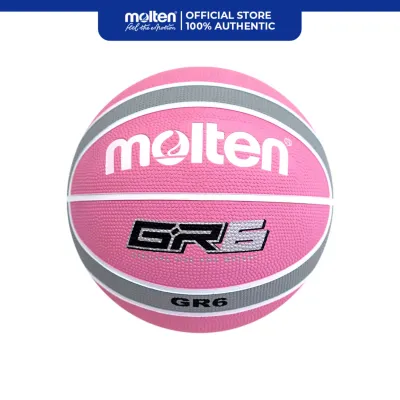
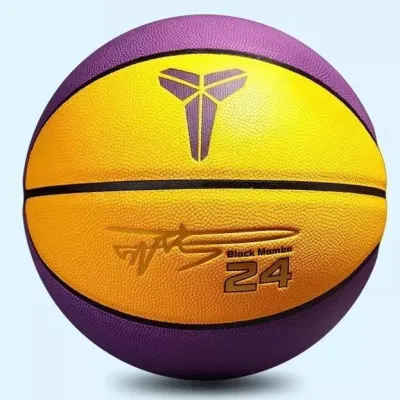
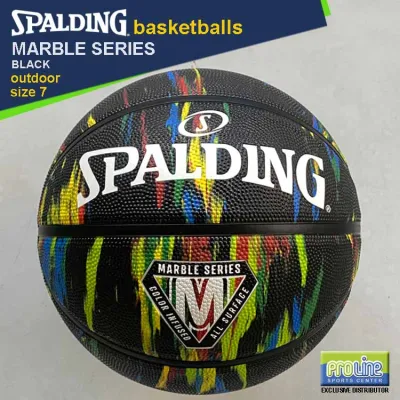
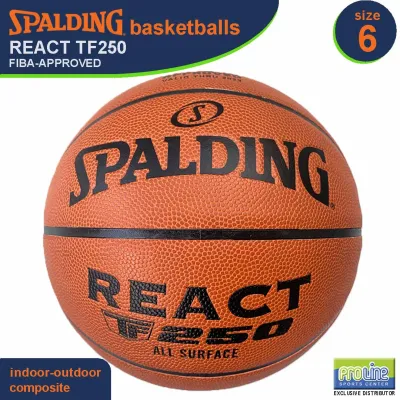
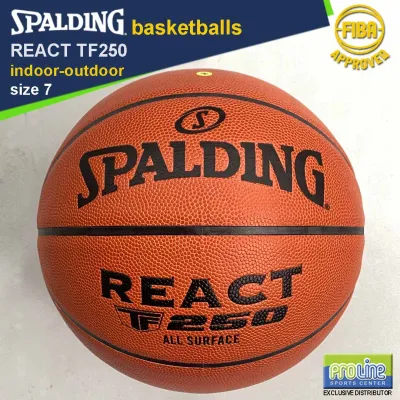
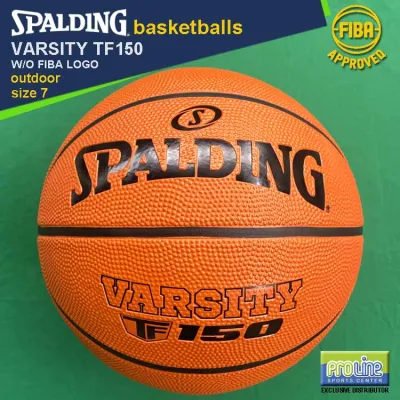
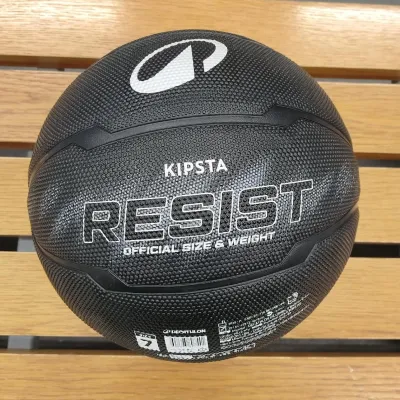
Prices are valid at publication and may change. Please refer to the product page for the latest price.
While these age brackets offer a reliable starting point, you should always verify the specific recommendations printed on the product packaging or listed on the manufacturer’s official website. Different brands sometimes suggest slightly different age ranges based on their specific product lines. Checking these official specifications ensures that the ball aligns with standard manufacturing intentions and league expectations.
Physical development often outpaces chronological age, making transitional ages a unique challenge. For instance, an active 11-year-old boy who is exceptionally tall and strong for his age might comfortably handle a size 6 ball during practice. Conversely, a slight 14-year-old boy might find the transition to a size 7 premature and may benefit from staying with a size 6 a little longer to preserve his shooting form. Assess the player’s physical stature and hand size rather than relying strictly on the calendar.
Assess Hand Size, Strength, and Shooting Comfort
Before finalizing your purchase, performing a few simple physical checks can help determine if a size 6 basketball is a comfortable fit. Have the player spread their fingers wide across the surface of the ball. A proper fit allows the player to grip and stabilize the ball comfortably with one hand, or at least feel in complete control of the ball’s surface area when preparing to pass or shoot. If the fingers cannot spread wide enough to cover a significant portion of the paneling, the ball may be too large.

Observing shooting mechanics is one of the most reliable ways to evaluate if a basketball is the correct size and weight. Watch the player shoot from a comfortable distance. If they must push the ball from their chest using both hands, or if they experience visible wrist and forearm strain, the ball is likely too heavy or too large. On the other hand, if the ball constantly slips out of their hands during a standard shooting motion, it might be too small for their current hand size.
The tropical climate and high humidity in the Philippines can also affect grip, making a properly sized ball even more critical. When hands sweat during intense outdoor games, a ball that is too large becomes incredibly difficult to control, leading to frequent turnovers and frustration. A size 6 ball offers a more manageable surface area for players with intermediate hand sizes, allowing them to maintain a secure grip even in hot weather.
Skill level and confidence also play a major role in this assessment. Beginners of any age often benefit from using a slightly smaller ball, as it allows them to build confidence in their dribbling and passing skills without fighting the weight of the ball. As players advance and their hand strength improves, they should gradually adapt to the official competition size mandated by their age group to prepare for real-game scenarios.
Match the Ball to Your League Rules and Playing Surface
Local league regulations should heavily influence your decision. School tournaments, community leagues, and official youth sports organizations follow strict guidelines regarding equipment. Before buying, consult the specific league or school tournament rulebook to confirm which ball size is legal for the player’s division. Using an incorrect size during practice can disrupt a player’s muscle memory when they transition to official games.
The physical environment where the ball will be used determines the most suitable material composition for your purchase. For outdoor concrete or asphalt courts, which are highly common in local neighborhoods, look for durable rubber or rugged composite leather covers designed to withstand rough surfaces and tropical weather. If the player primarily trains on indoor wooden courts, premium composite leather or genuine leather covers offer the reliable grip and bounce characteristics required for indoor play.
For those playing on covered courts, which often feature painted concrete or smooth outdoor surfaces, a high-quality composite leather ball designed specifically for indoor/outdoor use is highly recommended. These versatile balls provide a balance of durability and grip, ensuring they do not wear down too quickly on rougher surfaces while still offering a professional feel during practice sessions.
Managing the transition between sizes requires patience and a structured approach. When a player moves up from a size 5 to a size 6, or when a young male player prepares to transition from a size 6 to a size 7, they will likely experience an initial drop in shooting accuracy. To ease this adjustment period, incorporate short, focused ball-handling drills and close-range shooting practice before moving back to the three-point line.
Signs You Need to Size Up or Size Down
Recognizing when a basketball is no longer suitable can prevent injury and keep skill development on track. You may need to size down to a size 5 if you notice persistent shooting fatigue within the first few minutes of practice. Other red flags include an altered shooting form where the elbow flares outward, or an inability to execute standard crossover and dribbling moves because the ball constantly bounces off the player’s feet or shins.
Conversely, there are clear indicators that it is time to size up to a size 7. For young male players, reaching the age of 15 or entering high school leagues is the standard cue to make the switch. Significant increases in hand size, rapid upper-body strength development, and a tendency to overpower a size 6 ball during layups and passes also signal that the player is ready for the official men’s size.
Because physical testing is only possible once the ball is in hand, pay close attention to retail policies. Before purchasing from an online marketplace or local sports store, review the return and exchange policies carefully. This ensures you can easily swap the basketball for a different size if the initial practice sessions reveal that the fit is not quite right for the player’s hands or strength level.
Frequently Asked Questions (FAQ)
Can a 10-year-old use a size 6 basketball for practice?
Using a size 6 basketball is generally not recommended for a 10-year-old player. A ball that is too large or heavy can force young players to develop poor shooting habits, such as using a two-handed chest push, which can be difficult to unlearn later. It can also cause unnecessary joint stress on developing wrists and shoulders while reducing overall ball-handling confidence. It is best to stick to the standard size 5 for this age group or consult a qualified youth coach for personalized guidance.
Does a size 6 basketball have the same weight as a size 7?
No, a size 6 basketball does not weigh the same as a size 7. Official size 6 balls are designed to be lighter, typically weighing between 510 to 567 grams, whereas official size 7 balls generally weigh between 567 to 650 grams. These weight differences are standardized to maintain proper balance, grip, and shooting dynamics for the respective player demographics. Always check the manufacturer’s specification label on the ball or packaging, as minor weight variations can occur depending on the materials used.

Community discussion
Share your experience or ask a question. Comments are reviewed before publication.