
A size 6 basketball is the official standard for female players aged 12 and older, as well as male players aged 12 to 14. However, choosing the right ball goes beyond simple age and gender brackets. Physical factors like hand span, upper-body strength, and current shooting mechanics play a critical role in determining if this specific size will support a player’s development or hinder their form.
In the Philippines, where basketball is a national passion played on everything from polished indoor courts to rough, humid neighborhood street corners, selecting the correct ball size is essential. A ball that is too large can ruin a young player’s shooting form, while one that is too small can stall their transition to competitive play. Evaluating a player’s physical readiness and playing environment ensures you make an informed purchase that protects their athletic development.
Official Size 6 Basketball Specifications and Target Demographics
A standard size 6 basketball has a circumference of approximately 28.5 inches (72.4 centimeters) and a weight of about 20 ounces (567 grams). This makes it slightly smaller and lighter than the standard men’s size 7 ball, which measures 29.5 inches in circumference and weighs 22 ounces. The reduced size and weight are specifically engineered to allow players with smaller hands or developing upper-body strength to maintain proper control and shooting form.
Products mentioned in this guide
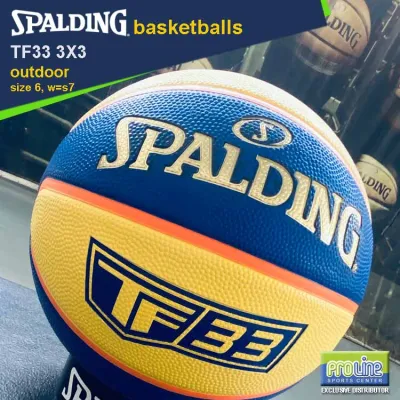
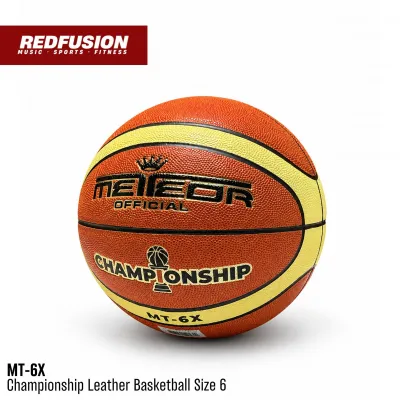
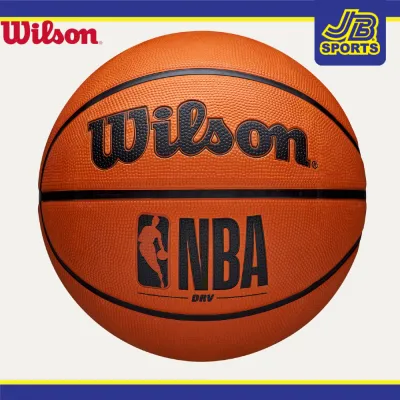
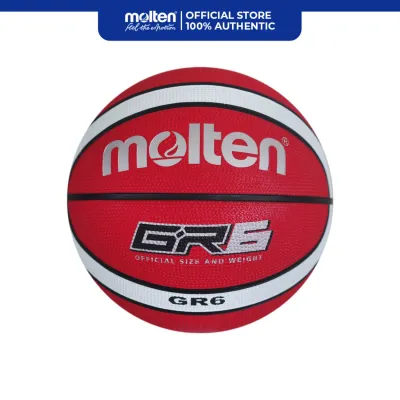
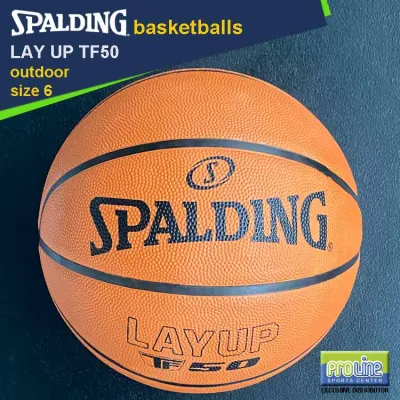
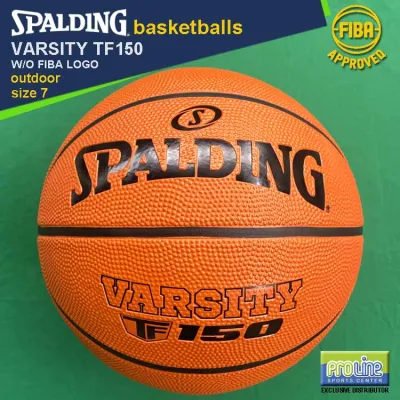
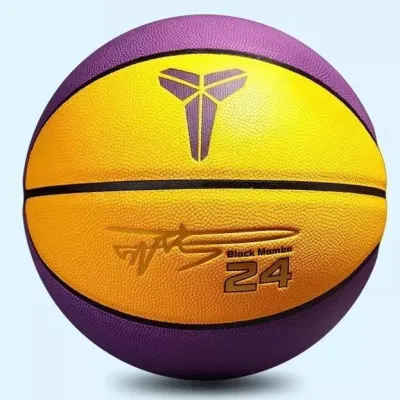
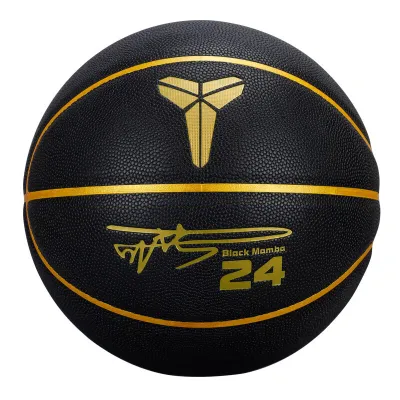
Prices are valid at publication and may change. Please refer to the product page for the latest price.
The official target demographics for a size 6 ball include girls and women aged 12 and older, which covers high school, collegiate, and professional women’s leagues. It is also the designated size for boys aged 12 to 14, serving as a crucial transitional tool before they move up to the official men’s size 7 ball. Using the correct size during these formative years helps players build muscle memory without straining their joints.
Youth league rules and school athletic associations typically dictate ball size requirements based on these age brackets. However, local tournament organizers or community leagues may have specific variations depending on their division structures. It is always wise to verify the exact tournament guidelines of your local athletic association before purchasing a ball specifically for competitive team play.
How to Test If a Size 6 Basketball Fits Your Player
To determine if a size 6 basketball is appropriate, have the player perform a simple hand span and grip comfort test. The player should spread their fingers wide on the surface of the ball. They must be able to hold the ball comfortably with both hands without their fingers feeling overextended or strained. While palming the ball with one hand is not a requirement, the player must be able to control the ball securely during a triple-threat position or when preparing to pass.

Next, closely observe the player’s shooting mechanics from mid-range. If the ball is too large or heavy, you will notice them pushing the ball from their chest using both hands, or excessively dipping their shoulder to generate power. A proper fit allows the player to maintain a clean, one-handed release with a high release point and a natural follow-through, using the non-dominant hand purely as a guide.
Finally, evaluate their dribbling control and fatigue levels during continuous ball-handling drills. Have the player perform crossovers, figure-eights, or high-to-low dribbles for a few minutes. Observe if the ball frequently slips from their grip or if their wrists and forearms tire rapidly. If they struggle to keep the ball low and controlled, or if fatigue sets in almost immediately, they may need to spend more time with a smaller size 5 ball to build hand strength and coordination.
When to Transition to or From a Size 6 Basketball
Players typically transition from a size 5 (27.5 inches) to a size 6 when they reach age 12. Physical signs of readiness include consistent ball control during fast-paced drills and the physical strength to shoot from the free-throw line with correct form. If a player can easily control a size 5 ball and their shooting range has naturally extended without compromising their mechanics, they are ready for a size 6.
For male players, the transition from a size 6 to a size 7 usually occurs around age 15. Indicators of readiness include physical growth spurts, increased hand size, and the ability to handle the size 6 ball with effortless control. If a teenage boy’s hand easily dwarfs the size 6 ball, or if they are preparing for high school varsity tryouts where size 7 is standard, transitioning early helps them adapt to the heavier weight and larger circumference.
Age-based guidelines are helpful starting points, but skill development should always take precedence. If a 13-year-old boy lacks the hand size or upper-body strength to shoot a size 6 ball without breaking his form, it is highly beneficial to continue practicing with a size 5. Forcing a player to use a ball that is too large can establish bad mechanical habits that are incredibly difficult to correct later in their playing journey.
Choosing the Right Size 6 Basketball for Your Court and Budget
Basketballs are generally constructed from three materials: rubber, composite leather, and genuine leather. Rubber balls are highly durable and affordable, making them excellent for rough concrete outdoor courts common in local neighborhoods. Composite leather offers a softer, more authentic feel and can be used both indoors and outdoors, though outdoor use on concrete will accelerate wear. Genuine leather is reserved almost exclusively for indoor hardwood courts and requires a break-in period.
In tropical climates with high humidity, outdoor concrete courts can quickly wear down a ball’s outer texture. If the player primarily plays outdoors, look for a composite ball specifically labeled for outdoor or indoor/outdoor use, or stick to a heavy-duty rubber ball. For indoor wooden or vinyl courts, a premium composite leather ball provides the best grip and consistent bounce without wearing out prematurely.
Set a realistic budget based on usage and playing frequency. Casual outdoor play on concrete does not require an expensive match ball; a durable rubber or entry-level indoor/outdoor composite ball priced between ₱800 and ₱1,800 is highly practical. For competitive players training indoors or participating in school leagues, investing in a high-quality composite leather ball ranging from ₱2,000 to ₱4,500 offers the necessary grip, consistent bounce, and longevity to justify the higher cost.
Frequently Asked Questions (FAQ)
Can a size 6 basketball be used for official high school games?
Yes, but this depends entirely on the division. For girls’ high school basketball, a size 6 is the official standard used in competitive games. For boys’ high school basketball, the official standard is a size 7. Always verify the specific tournament rules or school athletic association guidelines in your local area to ensure compliance before purchasing a game ball.
Does a heavier basketball improve shooting strength?
Using an oversized or excessively heavy basketball for regular shooting practice is generally not recommended for developing players. It often forces them to alter their natural shooting mechanics, leading to a pushed shot or a low release point. For basketball-specific strength conditioning, it is safer and more effective to use standard-weight balls alongside targeted resistance band exercises, core training, and wrist-strengthening drills.
How do I know if a size 6 ball is losing its proper bounce?
You can perform a simple drop test to check the ball’s inflation and structural integrity. Hold the ball at eye level (approximately 1.8 meters high) and drop it onto a solid hardwood court surface; it should rebound up to about chest level (around 1.2 to 1.4 meters). If the ball feels heavy, has visible lumps, shows worn-down pebbling that reduces grip, or loses air pressure within a few days of inflation, it is likely time to replace it.

Community discussion
Share your experience or ask a question. Comments are reviewed before publication.