
A transparent kayak boat offers an unparalleled window into the underwater world, turning a standard paddling trip into an immersive marine safari. If your primary goal is to glide over vibrant coral gardens, watch schools of fish dart beneath your feet, or capture stunning underwater photography from a dry vantage point, a clear-hulled kayak can be an incredibly rewarding investment. However, these specialized watercraft are not universal solutions for every paddler, and their unique visual appeal comes with distinct trade-offs in durability, maintenance, and performance.
Deciding whether a transparent kayak is worth the premium price requires a realistic look at where you plan to paddle, how much effort you are willing to put into maintenance, and your physical ability level. Unlike standard rugged kayaks, clear models are highly specialized tools designed for specific environments. Before making a purchase, you must weigh the magical experience of clear-water viewing against the practical realities of owning and transporting a delicate, frame-supported vessel.
Assess Your Water Activities: Where Transparent Kayaks Shine
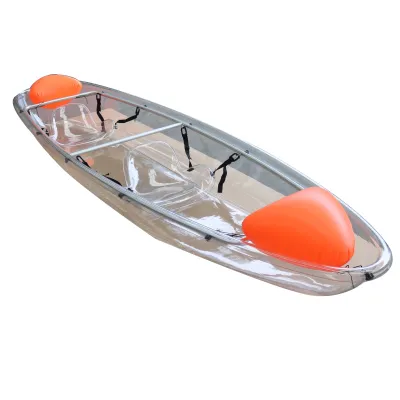
To determine if a transparent kayak boat fits your lifestyle, start by evaluating the specific water bodies you plan to explore. These vessels are engineered specifically for high-visibility environments such as calm tropical lagoons, crystal-clear spring-fed rivers, sheltered bays, and placid lakes. In these settings, the clear polycarbonate hull acts like a giant mask, revealing underwater topography, marine life, and aquatic plants with stunning clarity. If your local waters are murky, silt-heavy, or prone to algae blooms, the visual advantage is lost, leaving you with a heavier, more delicate kayak that offers no benefit over a traditional model.
Products mentioned in this guide



Prices are valid at publication and may change. Please refer to the product page for the latest price.
Your paddling goals also dictate whether a clear hull is appropriate. These boats are designed for slow, leisurely exploration, eco-tourism, and casual sightseeing where the journey itself is about observation rather than speed or distance. They are poorly suited for fitness training, long-distance touring, or navigating fast-moving whitewater. Rocky riverbeds, shallow gravel bars, and areas with heavy submerged debris pose a constant threat of scratching or cracking the hull, making these environments highly unsuitable.
Furthermore, you must assess your passenger and gear requirements. Because the primary selling point is an unobstructed view, transparent kayaks feature minimalist interior layouts with fewer storage hatches, dry compartments, or gear tie-down points than traditional touring kayaks. If you plan to go on multi-day camping trips or need to carry extensive fishing gear, a clear kayak will quickly feel cramped and disorganized. Always check the manufacturer’s specified weight capacity to ensure it can safely accommodate you, your passenger, and any essential gear without compromising buoyancy.
Finally, safety must remain your top priority when planning any water activity. Operating a transparent kayak requires basic swimming proficiency, a solid understanding of local wind and current patterns, and the discipline to monitor changing weather conditions. Because clear hulls can be more difficult for other motorized vessels to spot from a distance, you must always wear a high-visibility personal flotation device (PFD) and carry a safety whistle. If winds pick up, currents strengthen, or whitecaps begin to form, you should immediately head back to shore, as these recreational vessels are not built to handle rough, open-ocean conditions.
Weighing the Trade-Offs: Visibility vs. Durability and Maintenance
The stunning clarity of a transparent kayak boat comes from its specialized construction materials, typically high-grade polycarbonate or acrylic. Polycarbonate is the preferred choice for premium models due to its incredible impact resistance—the same material is used in safety shields and bulletproof windows—allowing it to withstand minor bumps against sandy bottoms or soft lakebeds. However, polycarbonate is inherently soft and highly susceptible to surface scratches. Even fine sand particles, rough launch ramps, or coarse cleaning cloths can leave micro-scratches that gradually cloud the hull over time.

Acrylic is another common material, offering excellent clarity and better natural scratch resistance than polycarbonate. However, acrylic is significantly more brittle, meaning it is more prone to cracking or shattering upon a sharp impact with a rock or dock. Regardless of which material you choose, both are vulnerable to ultraviolet (UV) degradation. Prolonged exposure to intense tropical sunlight can cause untreated clear plastics to yellow, become brittle, and lose their structural integrity, making UV-protective coatings a critical specification to verify.
Maintaining a clear kayak requires a strict, non-abrasive cleaning routine that is far more demanding than the care required for a standard polyethylene boat. After every outing—especially in saltwater—you must thoroughly rinse the entire hull inside and out with clean, fresh water to remove salt crystals, sand, and organic debris. You must avoid using household glass cleaners, ammonia-based sprays, or abrasive scrubbing pads, as these will permanently chemical-etch or scratch the surface. Instead, use a mild, non-detergent soap, a soft microfiber cloth, and specialized marine-grade plastic polishes to maintain optical clarity.
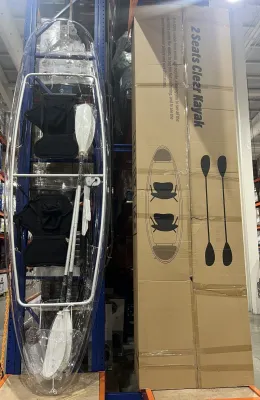
Portability and transport logistics also present unique challenges. To maintain its shape and support the flexible clear hull, a transparent kayak typically relies on a rigid internal frame, often constructed from anodized aluminum. This frame adds overall weight and bulk, making the kayak heavier and more awkward to lift onto a vehicle roof rack compared to standard rotomolded or inflatable alternatives. You must consider whether you have the physical strength to transport, launch, and retrieve a heavier framed vessel, or if you will need a dedicated kayak cart to wheel it safely across sandy beaches without dragging the hull.
Comparing Alternatives: Transparent Kayaks vs. Regular Kayaks and Paddleboards
When deciding on the right watercraft, it helps to compare the user experience of a transparent kayak boat against traditional kayaks and stand-up paddleboards (SUPs). In terms of stability and the learning curve, a transparent kayak offers a very reassuring, low center of gravity. Paddlers sit low in the vessel, which provides excellent primary stability and makes it highly accessible for beginners, children, or those who feel anxious on the water. In contrast, a stand-up paddleboard requires constant balance, core engagement, and active leg strength, which can be tiring for casual sightseers, though it does offer an elevated standing viewpoint.
Performance and tracking vary significantly across these designs. Traditional rotomolded polyethylene or composite kayaks are shaped with molded-in keels, skegs, and hydrodynamic lines designed to slice through water, maintain a straight track, and handle choppy conditions efficiently. Transparent kayaks, by contrast, often feature flatter, wider hull profiles to maximize the flat viewing window beneath your feet. This design compromise means they tend to catch crosswinds easily, require more effort to paddle in a straight line, and offer slower overall speeds.
Cost and long-term value are major deciding factors for many buyers. A high-quality transparent kayak is a premium investment, with prices in the Philippines typically ranging from ₱50,000 to well over ₱100,000 depending on the frame material, hull thickness, and included accessories. Traditional recreational kayaks and entry-level paddleboards are generally much more affordable, often costing a fraction of that price while offering superior durability and zero risk of clouding. You must decide if the unique visual experience of a clear hull justifies the higher initial cost, the ongoing maintenance effort, and the eventual need to replace worn or heavily scratched panels.
Pre-Purchase Checklist: Key Specifications to Verify Before Buying
Before finalizing your purchase of a transparent kayak boat, it is essential to verify several key technical specifications to ensure you are getting a safe, durable, and high-performing product. Use this checklist to evaluate potential models:
- Hull Material and Thickness: Confirm that the hull is made of marine-grade polycarbonate (ideally 4mm to 6mm thick) rather than cheap, thin plastic. Ensure the manufacturer specifies that the material has double-sided UV-resistant coatings to prevent yellowing and brittleness under intense sun exposure.
- Frame Construction: Check that the supporting frame is made of corrosion-resistant materials, such as marine-grade anodized aluminum or high-strength composite, and that all hardware (screws, bolts, and brackets) is made of 316 stainless steel to withstand saltwater environments.
- Built-In Buoyancy and Safety Features: Verify that the kayak includes dedicated flotation chambers, inflatable air bladders, or foam blocks at both the bow and stern. These are critical safety features that keep the vessel afloat in the event of a capsize or hull compromise.
- Ergonomics and Adjustability: Look for adjustable, supportive seats with quick-drying, UV-resistant fabrics. Because you will be sitting for extended periods, comfortable seating is vital for preventing lower back fatigue.
- Warranty and Replacement Parts: Review the manufacturer's warranty policy carefully. Look for coverage that specifically protects against manufacturing defects, premature UV yellowing, and stress cracking. Additionally, verify if the seller offers replacement clear panels, hardware, or frames, as being able to swap out a damaged component can save you from replacing the entire kayak.
Frequently Asked Questions (FAQ)
Do transparent kayaks get hot in the sun?
Yes, clear polycarbonate and acrylic materials can absorb and trap heat when exposed to direct, intense sunlight, especially during hot tropical days. The clear hull can act slightly like a greenhouse, warming the air inside the cockpit. To stay comfortable, always use light-colored, insulated seat cushions to create a barrier between your body and the kayak. Additionally, avoid leaving the kayak sitting dry on hot sand or concrete for extended periods, as this can cause the material to heat up rapidly and potentially warp; keep it in the shade or in the water when not in use.
Can you repair scratches on a clear kayak hull?
Light surface scratches, scuffs, and haziness can generally be repaired using specialized marine-grade polycarbonate polishing compounds and a soft microfiber cloth or a low-speed orbital buffer. These polishes gently wear down the edges of the micro-scratches to restore optical clarity. However, deep structural gouges, cracks, or punctures cannot be safely repaired at home. Attempting to patch a deep crack with standard adhesives can compromise the structural integrity of the hull, making it unsafe for the water; in these cases, you should consult the manufacturer or replace the damaged clear panel entirely.

Community discussion
Share your experience or ask a question. Comments are reviewed before publication.