
Deciding on the right camping shelter can transform your outdoor experience from a restless night into a refreshing escape. While traditional ground tents have long been the standard, tree tents have emerged as an intriguing alternative that suspends you high above the forest floor. However, a tree tent is not a universal upgrade for every camper; rather, it is a highly specialized shelter designed for specific environments, physical preferences, and camping styles. Whether you actually need one depends entirely on your typical terrain, group dynamics, and comfort requirements. By evaluating your specific outdoor habits, you can determine if this suspended shelter aligns with your adventures or if traditional ground setups remain your best choice.
Understanding How Tree Tents Actually Work
To make an informed decision, you must first understand the unique mechanics of a tree tent. Unlike a standard hammock that sags in the middle, a tree tent uses a tensioned, multi-point anchor system to create a relatively flat, suspended floor. This hybrid design combines the elevated, insect-free advantages of a hammock with the structured space, walls, and rainfly protection of a traditional ground tent.
The core requirement for any tree tent setup is a set of sturdy, healthy, and appropriately spaced trees. Most models rely on a three-point tensioning system, requiring three strong anchor points arranged in a rough triangle. You cannot simply tie these tents with basic ropes; instead, they utilize heavy-duty straps, heavy ratchets, and rated carabiners to pull the fabric taut.
Products mentioned in this guide
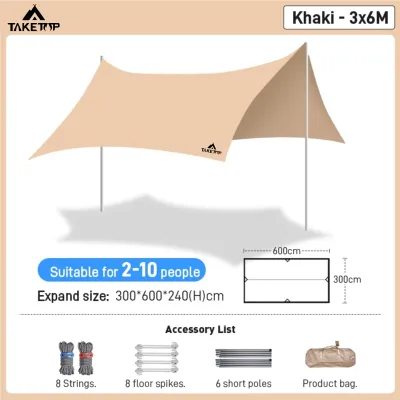
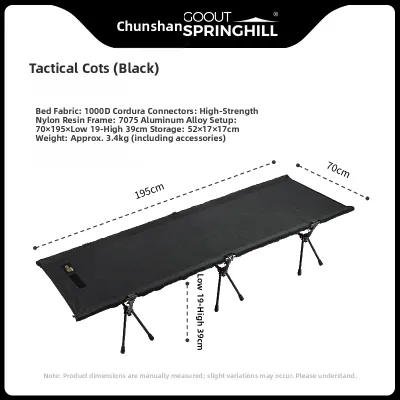
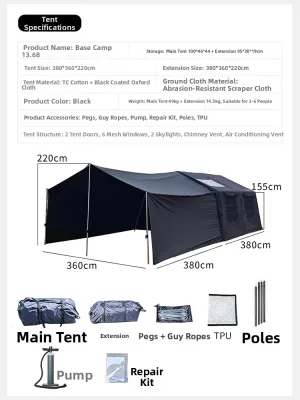
Prices are valid at publication and may change. Please refer to the product page for the latest price.
Because of the immense forces applied to the anchors and the straps, safety must always be your primary focus. You must carefully read and follow the manufacturer’s instructions regarding maximum weight limits, strap angles, and installation heights. Before climbing inside, you should always inspect the straps for wear and verify that your anchor trees are alive, deeply rooted, and free of dead branches overhead.
Assessing Your Typical Campsites and Terrain
Your typical camping destination is the most critical factor in determining whether a tree tent is practical. In dense, forested regions—such as the lush mountain trails and tropical jungles of the Philippines—finding suitable trees is often easy. However, you must look closely at the specific tree species and trunk diameters in your favorite spots. Thin palms, young saplings, or decaying trunks cannot support the tension and weight of a suspended tent.

Where tree tents truly excel is on highly challenging ground. If you frequently camp on wet, muddy, rocky, or steeply sloping terrain, an elevated shelter completely bypasses these obstacles. Instead of spending hours clearing rocks or searching for a rare patch of flat ground, you can suspend your shelter over mud, roots, or puddles without affecting your sleep quality.
Conversely, tree tents are highly impractical, and often impossible to use, in certain environments. If your adventures take you above the tree line, into arid sandy beaches, or across open grasslands, finding three viable anchor points becomes a major challenge. Additionally, many protected parks and conservation areas have strict regulations prohibiting campers from wrapping straps around trees to protect fragile bark. Always check local forestry or park rules before planning a trip with a suspended shelter.
Evaluating Your Comfort, Capacity, and Gear Needs
Your physical comfort and sleeping habits should heavily influence your choice of shelter. Traditional hammocks force your body into a curved, banana-like posture, which can be uncomfortable for side or stomach sleepers. Tree tents solve this by tensioning the floor, allowing you to sleep flat on your side or back. However, because the floor is suspended, it still responds to your movements and can bounce slightly when you turn.
When camping with a partner or a group, suspended dynamics become even more complex. In a multi-person tree tent, any movement by one occupant will be felt by the others, potentially disrupting light sleepers. Weight distribution is also critical; if one camper is significantly heavier than the other, the floor may slope toward their side, causing both sleepers to slide together. You must verify the manufacturer’s weight capacity and practice balancing your positions inside the tent.
Gear storage is another area where tree tents require a shift in habits. Unlike ground tents, which often feature spacious vestibules and wide interior corners for heavy backpacks, tree tents have limited internal floor space. Storing heavy, sharp, or bulky gear inside can damage the tensioned fabric or throw off the balance of the suspension. You will need to adapt by using external gear lofts, hanging organizers, or placing a waterproof tarp on the ground directly beneath your tent to protect your packs from dampness and pests.
Comparing Tree Tents to Ground Tents and Hammocks
Comparing the setup process reveals a steep learning curve for tree tents. A standard dome tent can often be pitched in under ten minutes on almost any flat surface. A tree tent, however, requires finding the right configuration of trees, wrapping straps at correct heights, and operating heavy ratchets to achieve the perfect tension. For beginners, this process can easily take thirty minutes or more of physical effort, which can be frustrating after a long day of hiking.
Weather protection and temperature management also differ significantly between these shelters. In hot, humid tropical climates, the under-tent airflow of a suspended shelter provides excellent ventilation, keeping you cooler than a stuffy ground tent. However, this same airflow can lead to rapid heat loss on cooler mountain nights. Even in moderate temperatures, the wind blowing underneath can chill your back, meaning you must invest in a high-quality sleeping pad or an underquilt to stay warm.
Finally, consider the weight and bulk of your gear. Tree tents are generally much heavier than both ground tents and traditional hammocks due to the heavy-duty ratchets, thick straps, and reinforced tensioning materials. If you are a car camper or enjoy short walks to your campsite, this extra weight is negligible. But if you are an ultralight backpacker covering long distances on foot, the added pack weight and bulk of a tree tent may quickly become a physical burden.
Making Your Final Shelter Decision
To help clarify your choice, use these simple checklists to match your camping style to the right shelter.
Choose a tree tent if:
- You primarily camp in heavily forested areas with wet, muddy, or highly uneven ground.
- You want to stay elevated away from ground moisture, crawling insects, and damp tropical humidity.
- You enjoy the novelty of suspended camping and do not mind spending extra time mastering the rigging process.
- Your camping trips mostly involve car camping or short hikes where gear weight is not a primary concern.
Stick to ground tents or hammocks if:
- You frequently camp in open, alpine, coastal, or arid environments where trees are scarce or weak.
- You prioritize a fast, simple setup that requires minimal physical effort after a long day.
- You are an ultralight backpacker who needs to minimize pack weight and volume.
- You prefer having ample interior space to store all your heavy gear and backpacks securely inside your shelter.
If you are still on the fence, avoid making a large financial commitment immediately. Consider renting a tree tent from a local outdoor outfitter or borrowing one from a friend. Spending a weekend testing the setup in a local park or a nearby campsite—perhaps budgeting around ₱1,500 to ₱3,000 for a rental—will give you hands-on experience with the rigging process and help you decide if the elevated comfort is worth the investment.
Frequently Asked Questions (FAQ)
Are tree tents safe for the trees?
Yes, tree tents can be safe for trees, but only if you use the correct equipment and techniques. Standard thin ropes can cut into tree bark, damaging the cambium layer which is vital for the tree’s nutrient transport. To prevent this, always use wide, heavy-duty polyester straps designed specifically for tree suspension, and consider using dedicated tree protector wraps. Always adhere to Leave No Trace principles and check local park regulations, as some conservation areas ban all suspended shelters to protect local flora.
Can I use a tree tent if there are no trees?
While tree tents are designed for suspension between trees, some manufacturers offer specialized ground conversion kits or heavy-duty stands. You can sometimes anchor to alternative points like heavy-duty vehicle roof racks, engineered poles, or large, stable boulders, but you must strictly verify the manufacturer’s specifications for these non-standard setups. Never improvise anchor points with weak structures, fences, or untested posts. If your intended setup is not explicitly detailed in your product manual, stop immediately and consult the manufacturer or a qualified professional to prevent serious injury.

Community discussion
Share your experience or ask a question. Comments are reviewed before publication.