
A triangular tent—often called an A-frame tent—is an iconic shelter that evokes nostalgic images of classic outdoor adventures. Whether it is right for you depends on how you balance simplicity and wind-shedding geometry against the realities of limited headroom and strict staking requirements. In tropical climates like the Philippines, where sudden downpours and high humidity are common, choosing the right tent structure directly impacts your comfort and safety. This self-assessment guide will help you evaluate your camping style, typical destinations, and space requirements to determine if a triangular tent is your ideal trail companion or if a modern alternative would serve you better.
Assess Your Camping Style and Trip Conditions
The structural profile of a triangular tent features steeply sloped walls that meet at a single ridge line. This classic shape is highly efficient at shedding heavy tropical rain, preventing water from pooling on the fabric during sudden afternoon downpours. However, this same geometry means the tent relies heavily on wind direction; if wind hits the broad side of the tent rather than the narrow, aerodynamic ends, it can place significant stress on the fabric and poles.
Unlike freestanding dome tents that hold their shape independently, most triangular tents are non-freestanding. This means their structural integrity depends entirely on proper staking and tensioned guylines. If you frequently camp on sandy beaches in Batangas or rocky ground in Benguet, securing stakes can be a major challenge. You must verify if the ground conditions of your favorite campsites allow you to drive stakes deeply and securely to keep the shelter upright.
Products mentioned in this guide
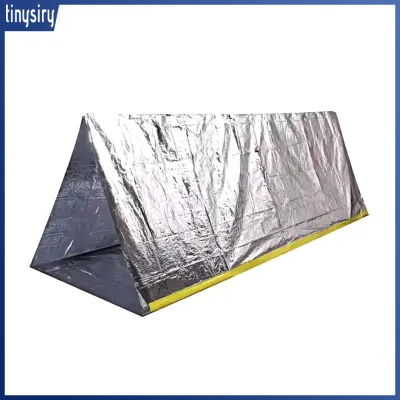
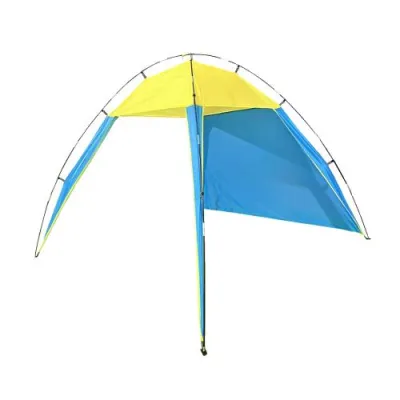
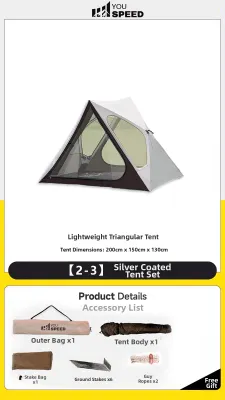
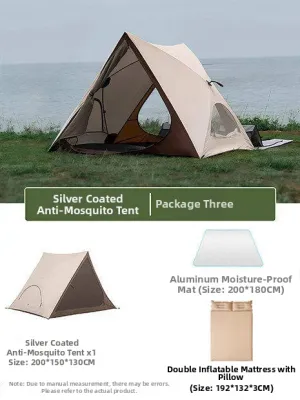
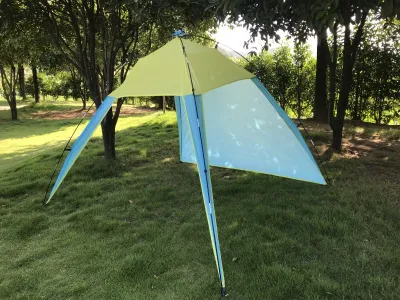
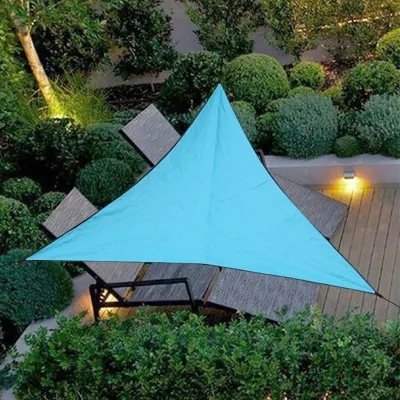
Prices are valid at publication and may change. Please refer to the product page for the latest price.
Your typical camping season also dictates whether this design is suitable. Many classic triangular tents feature single-wall construction or limited mesh ventilation, which can trap warm, humid air inside. In hot and humid tropical environments, this lack of cross-ventilation can lead to heavy condensation on the interior walls. If you plan to camp primarily during the dry season or at breezy, high-altitude sites, a well-ventilated A-frame model can be highly enjoyable, but wet-season campers must carefully check the tent’s ventilation features.
Evaluate Space, Group Size, and Livability
While a triangular tent may offer a generous peak height along the center ridge, the steeply sloping walls rapidly reduce the usable space as you move toward the sides. This means your shoulder room is severely restricted when sitting up or changing clothes. If you dislike feeling cramped or prefer to sit upright near the edges of your shelter, the aggressive angles of an A-frame design may feel too restrictive.

When matching capacity to your group size, it is wise to treat manufacturer ratings with caution. A triangular tent rated for two people often fits two sleeping pads side-by-side but leaves virtually no room for movement or gear. For solo campers who appreciate extra space to spread out, a two-person triangular tent offers a comfortable compromise, but couples or small groups may find the lack of vertical wall space makes sharing the shelter a test of patience.
Gear storage requires strategic planning because the interior floor space is highly optimized for sleeping. Storing muddy hiking boots, wet backpacks, or cooking gear inside the main sleeping compartment quickly compromises your comfort. To manage this, look for triangular models that feature integrated vestibules or extended rainflies. Alternatively, you can pitch a separate lightweight tarp over the entrance to create a dry, external storage zone for your equipment.
Check Portability and Setup Requirements
Portability is one of the primary reasons campers choose modern triangular tents, especially those designed for backpacking. Many lightweight A-frame shelters utilize trekking poles for support instead of dedicated tent poles, significantly reducing the overall weight and packed size in your backpack. If you are a minimalist hiker traversing long trails, this weight savings is a massive advantage; however, car campers who do not carry trekking poles may find the setup less convenient than a standard dome tent with dedicated fiberglass or aluminum poles.
The pitching process for a non-freestanding triangular tent requires a methodical approach and a bit of practice. Because the tent cannot stand without tension, you must stake out the corners perfectly square before raising the center poles. Adjusting the tension on the guylines is a continuous process to ensure the fabric remains taut and does not sag under overnight moisture or wind.
Compared to modern freestanding dome or cabin tents—which you can simply assemble and move around until you find the perfect flat spot—a triangular tent locks you into your chosen position the moment you drive the first stake. The learning curve is steeper, and setting up on wooden camping platforms or hard-packed clay requires specialized anchors or creative knot-tying. If you prefer a quick, foolproof setup after a long day of trekking, a freestanding design is generally more forgiving.
The Verdict: When to Choose or Skip a Triangular Tent
A triangular tent is an excellent choice for minimalist backpackers, solo adventurers, and vintage-style campers who prioritize low packed weight and classic aesthetics. If you enjoy the ritual of fine-tuning your gear, pitching a taut shelter, and camping in designated sites with soft, stake-friendly ground, the A-frame design offers a rewarding and highly functional experience. It is also well-suited for fair-weather weekenders who want a simple, nostalgic shelter for casual backyard or established campsite stays.
Conversely, you should skip the triangular tent if you are camping with a family, carrying bulky gear, or planning expeditions into highly unpredictable weather. Large groups require the vertical walls and generous headroom of cabin or dome tents to remain comfortable over multi-day trips. Furthermore, if you frequently camp in areas where driving stakes is impossible—such as solid rock, loose sand, or wooden platforms—the non-freestanding nature of most A-frames will cause unnecessary frustration.
If your self-assessment suggests a triangular tent is not the right fit, excellent alternatives exist. Dome tents provide a reliable, freestanding structure with balanced headroom and easy setup on almost any terrain. Tunnel tents offer superior space-to-weight ratios for larger groups, while cabin tents deliver maximum vertical walls and standing room, making them the ultimate choice for comfortable family car camping.
Frequently Asked Questions (FAQ)
Are triangular tents stable in heavy rain and wind?
Triangular tents are highly effective at shedding heavy rain because their steep, sloped walls do not allow water to pool on the fabric. However, their stability in high winds depends heavily on their orientation and the quality of their stakes. If the narrow end of the tent faces the wind, the aerodynamic profile handles gusts well, but lateral winds hitting the broad side can cause significant buffeting. To ensure safety, always check the manufacturer’s wind and waterproof ratings, use high-quality stakes, and ensure all guylines are fully tensioned before a storm arrives.
Can I use a triangular tent for family camping?
While some large, multi-person triangular tents exist, they are generally not ideal for family camping due to the significant loss of usable space near the sloping walls. Family members will find it difficult to move around, change clothes, or store gear without bumping into the tent fabric, which can transfer condensation inside. For a comfortable family experience, it is better to evaluate tents with vertical or near-vertical walls, such as cabin or large dome designs, which maximize liveable floor space and peak height.

Community discussion
Share your experience or ask a question. Comments are reviewed before publication.