
Determining if a Urevo walking pad fits into a compact condo requires more than just looking at the product photos. The true test lies in matching the specific dimensions, weight, and folding mechanism of the model you choose with the exact physical constraints of your living area. This guide provides a practical framework to measure your space, interpret product specifications, and evaluate daily storage realities so you can decide if a walking pad is a viable addition to your home gym setup.
Condo living in urban areas of the Philippines often means working with limited square footage, where every piece of furniture or fitness equipment must earn its place. To make an informed decision, you must look beyond promotional photos and systematically evaluate your floor plan, storage clearance, and daily usage habits.
Measuring Your Condo Layout for a Walking Pad
Before browsing online marketplaces for fitness equipment, grab a tape measure to map out your available space. You need to measure two distinct areas: your active workout zone and your designated storage spot. The active workout zone requires a flat, clear floor area that accommodates the physical length and width of the machine, plus a safety buffer. Never place the rear of the walking pad directly against a wall, glass sliding door, or sharp furniture edge; leaving a clear safety buffer behind the belt is essential to prevent injury if you lose your footing.
Products mentioned in this guide
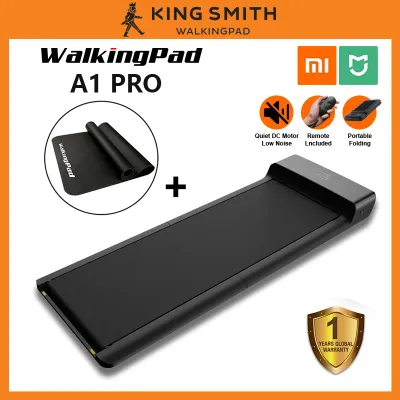
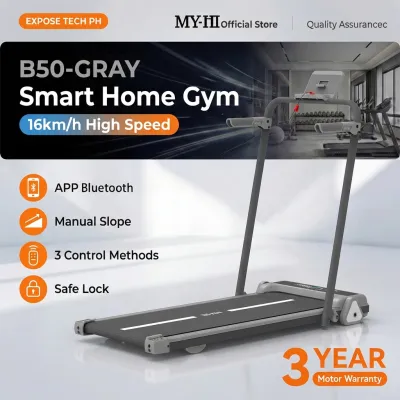
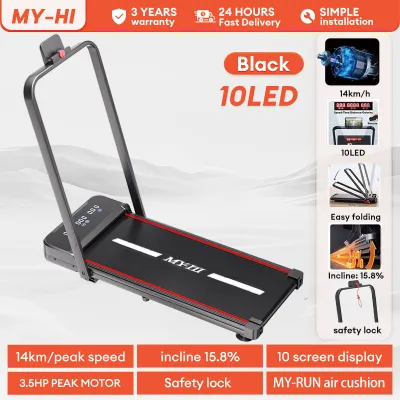
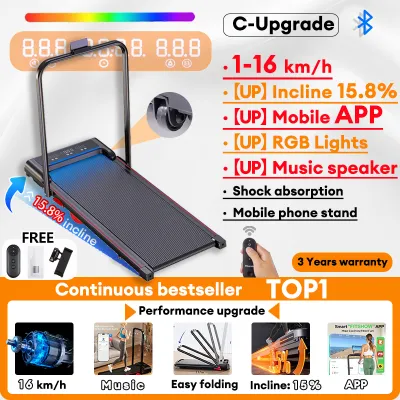
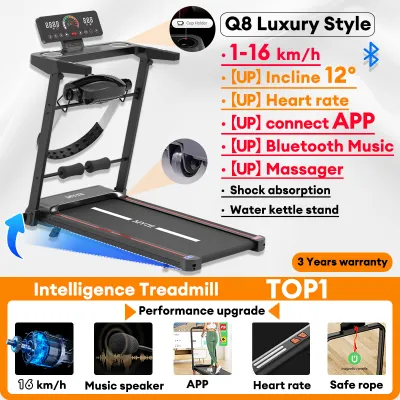
Prices are valid at publication and may change. Please refer to the product page for the latest price.
Next, identify and measure potential storage locations. If you plan to slide the unit under a bed or sofa, measure the vertical clearance from the floor to the lowest point of the frame, taking note of any center support legs or low-hanging slats. If you prefer vertical storage, measure the depth of the gap behind doors or inside closets, and ensure the height of the space can accommodate the full length of the machine when stood upright.
Finally, map out the delivery route from your building’s entrance to your unit. Measure the width of your condo’s elevator doors, the clearance of tight hallway turns, and the dimensions of your main entryway. A boxed walking pad is often significantly longer and bulkier than the assembled unit, and ensuring it can physically navigate these tight spaces prevents delivery day headaches.
Critical Dimensions to Check on Urevo Models
Once you have your home measurements, compare them against the technical specifications of different models. Start by checking the unfolded footprint, which includes the total length and width of the machine’s frame. Compare this footprint directly to your measured active workout zone to ensure you have comfortable walking space and the required safety clearances on all sides.

The running belt width is another key specification to verify. A wider belt provides a more comfortable and forgiving walking surface, which is particularly helpful for taller users or those with a wider stride. However, a wider belt also increases the overall width of the machine, which might make it more difficult to fit into narrow hallways or tight spaces between furniture.
Do not rely solely on the manufacturer’s listed frame thickness when planning for storage. While a specification sheet might list a slim profile, this measurement often excludes protruding components such as transport wheels, folding hinges, adjustment knobs, or the motor housing cover. Always look for the maximum thickness of the unit at its bulkiest point to ensure it will slide smoothly under your furniture without scraping.
Additionally, check the total weight of the machine and the presence of built-in transport wheels. While these units are designed for home use, some models can weigh over 20 kilograms. You must verify if you can comfortably lift, roll, and maneuver this weight on a daily basis. Finally, check the power cord length in the product manual; in many Philippine condos, wall outlets are limited, and you want to avoid stretching a cord across main walkways.
Foldability and Daily Storage Realities
The ease of storing your walking pad directly impacts how often you will use it. Models generally fall into two design categories: flat, handle-less designs and those featuring foldable handlebars. Flat models are typically thinner and easier to slide under low-clearance furniture, but they often lack the structural design to stand upright on their own without leaning precariously against a wall.
In contrast, models with foldable handlebars offer a more secure grip during faster walking sessions, but the folded handlebar adds extra thickness to the machine’s profile. This added thickness can prevent the unit from fitting under standard bed frames or sofas. If you plan to store your walking pad vertically, check if the model includes built-in support stands, locking mechanisms, or safety straps to prevent the machine from tipping over in narrow spaces.
You must also realistically assess the physical effort required for daily setup and teardown. Moving a heavy piece of equipment out of storage, unfolding the frame, plugging it in, and reversing the process after every workout requires consistent physical effort. If this transition feels too cumbersome, the machine may end up permanently blocking your living room floor or, conversely, sitting unused in a closet.
Safety Clearances and Condo Living Constraints
Operating a motorized walking pad in a multi-story residential building requires careful consideration of your surroundings and neighbors. First, consult the manufacturer’s manual to identify the required ventilation and heat dissipation gaps around the motor housing. Placing the front of the machine too close to walls, heavy drapes, or furniture can restrict airflow, causing the motor to overheat and reducing the lifespan of the equipment.
Noise and vibration mitigation are critical for maintaining good relations with downstairs neighbors in a condo setting. The repetitive impact of your footsteps, combined with the hum of the motor, can easily transmit through concrete floors. To minimize this disturbance, plan to place a high-density, shock-absorbing equipment mat beneath the walking pad to dampen vibrations and muffle operational noise.
Furthermore, ensure the placement of your walking pad does not compromise the safety of your household. The active machine must never block emergency exits, main walkways, or the direct airflow of your air conditioning unit. Placing the machine directly under an air conditioner vent can expose the motor housing to dripping condensation, while placing it in a high-traffic hallway creates a constant tripping hazard for other residents.
Space-Saving Fitness Alternatives
If your measurements reveal that your condo is simply too compact to safely accommodate a walking pad, several space-saving fitness alternatives can help you stay active. Mini steppers and under-desk ellipticals offer low-impact cardio workouts with a fraction of the footprint, allowing you to easily tuck them into a closet or under a desk when your workout is complete.
For strength and conditioning, resistance bands and high-quality exercise mats can be rolled up and stored completely out of sight, requiring zero permanent floor space. Additionally, consider utilizing your condominium building’s shared amenities, such as a common gym room, swimming pool, or landscaped roof deck. Planning outdoor walking routes within your secure residential complex or nearby neighborhood parks also allows you to enjoy a full cardio session without sacrificing any indoor living space.
Frequently Asked Questions (FAQ)
Can I store a walking pad under a standard bed frame?
Yes, but you must verify the clearance before purchasing. Use a tape measure to find the exact distance from your floor to the lowest structural point of your bed frame, which is often the center support beam or side rails rather than the outer frame. Next, check the maximum thickness of the walking pad. Be sure to look at the thickest section of the machine—typically where the motor housing, folding hinges, or transport wheels are located—rather than just the thin running deck. If your bed frame clearance is lower than this maximum thickness, the machine will not slide underneath.
Will a walking pad damage condo laminate or tile flooring?
It can if left unprotected. The weight of the machine combined with the impact of your steps can cause scratches on laminate flooring or hairline cracks in ceramic tiles. Check the manufacturer’s specifications for any warnings regarding floor types and base materials. To protect your flooring, always place a dedicated, high-density rubber or PVC equipment mat under the walking pad. This mat distributes the weight evenly, prevents the machine from sliding during use, and shields the floor finish from sweat, scuffs, and pressure indentations.

Community discussion
Share your experience or ask a question. Comments are reviewed before publication.